VEX IQ – A STEM Education Revolution

What is VEX IQ?

VEX IQ is a robotics platform designed to transform STEM learning for young students and their teachers. Students as young as 8 can jump right in and snap robots together using the intuitive, toolless platform while educators can utilize the free VEX IQ Curriculum to help teach students valuable lessons and skills that are needed in today’s changing world. Complete VEX IQ Starter Kits start at $249.99 and contain everything needed to build a drivable robot. The VEX IQ Super Kit, at $299.99, includes everything found in a Starter Kit plus a full array of sensors.

What is the VEX IQ Challenge?

The VEX IQ Challenge, presented by the Robotics Education & Competition Foundation, is a brand new STEM program for elementary and middle school students (ages 8-14). Students, with guidance from their teachers and mentors, will build a robot using the VEX IQ robotics platform to solve an engineering challenge presented in the form of a game. VEX IQ Challenge teams will work together scoring points in Teamwork Matches, and also display their robot’s skills individually in driver controlled and autonomous Skills Challenges.
In addition to building robots, the VEX IQ Challenge encourages students to actively learn about science, technology, engineering and mathematics with a STEM themed research project that consists of a written or media presentation. Registration for a VEX IQ Challenge team costs $100. Additional teams from the same schools can register for $50. Tournament entry fees vary by event.

What software & programming options are available for VEX IQ?

VEX IQ robot kits come pre-programmed with built-in default functionality. The Robot Brain contains a Driver Control program that allows students to drive their robots as soon as they’re built, and each Smart Sensor will perform a default action when plugged in to any of the Robot Brain’s Smart Ports. For example, the Gyro Sensor will always keep the robot facing forward, which creates a great learning opportunity for a curious student – how does a gyro work? How else can we apply this technology?

For advanced opportunities, the VEX IQ Robot Brain can be programmed using one of two software options from VEX partners. Robomatter’s ROBOTC 4.0 is a C-based programming language supported by Carnegie Mellon University’s Robotics Academy, and the free Modkit for VEX is a graphical dragand-drop programming environment inspired by MIT’s popular “Scratch” language. Autodesk has also created a design package, VEX Assembler, that brings the modern principles of computer-aided design (CAD) into an easy-to-use drag-and-drop interface.

How can educators use VEX IQ?

In addition to the VEX IQ Challenge, educators can access a free online curriculum designed for classroom use and mapped to US national STEM standards for grades 2-8 (NGSS, STL, and Common Core). With student handouts, teachers’ guides, and custom projects, the flexible VEX IQ curriculum can be scaled for everything from an after school STEM club to a dedicated class period. By exciting and inspiring students through robotics, the VEX IQ curriculum instills proper engineering practices from an early age, while maintaining the fun and excitement that comes from playing with VEX IQ.

Is VEX IQ available internationally?

Yes, VEX IQ is available worldwide.

For more information, visit:

www.vexiq.com

www.vexiq.com/compete


VEX IQ Unboxing, detail pictures

The VEX IQ system was designed to be simple and easy for students to use. Structural pieces snap together and come apart without tools, allowing for quick build times and easy modifications. A variety of gears, wheels and other accessories allows for complete customisation of VEX IQ projects and mobile robots.

The Robot Brain takes high-end, powerful technology and simplifies it for educational use while keeping a high ceiling. Connect any combination of up to 12 Smart Port devices to the Robot Brain, which can then be controlled by built-in programs or programmed via a computer and compatible software program. In addition to using pre-programmed instructions, VEX IQ robots can be controlled by drivers using the Controller.

VEX IQ sensors, including a color sensor, gyroscope, potentiometer, allow for advanced robots and teaching opportunities.


Here are the pictures i have taken during unboxing:

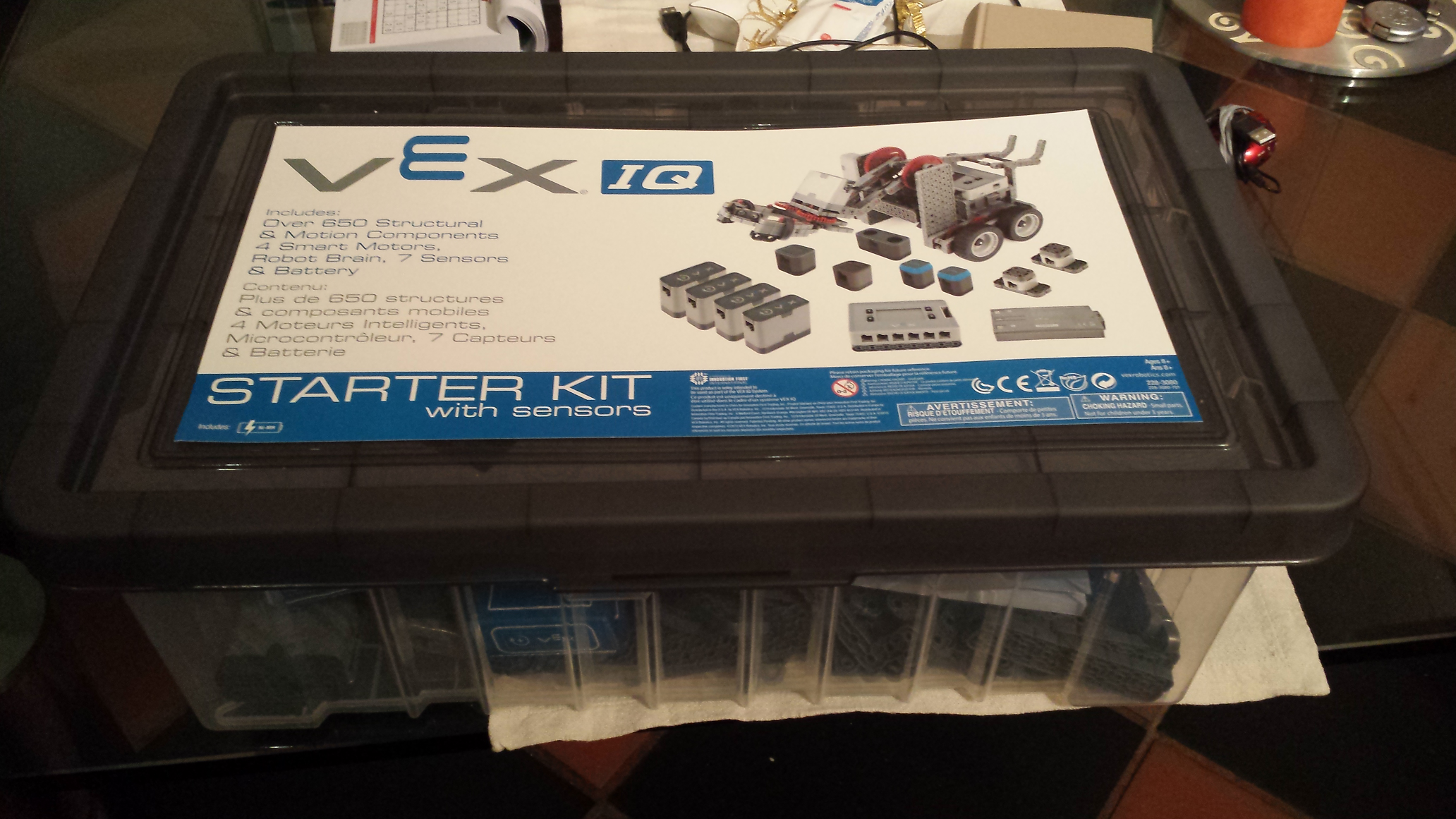
The complete box with nice sticker on it!
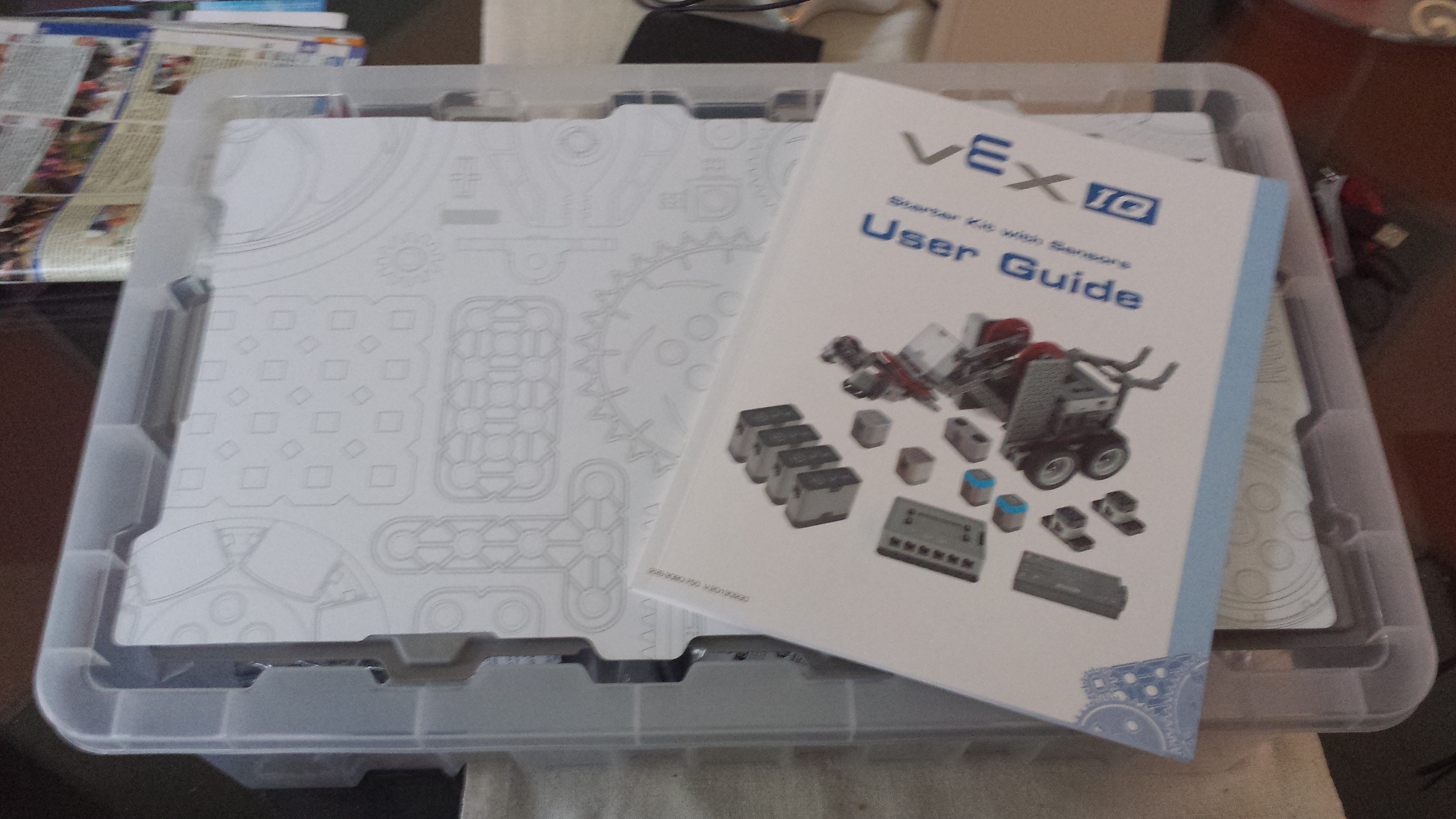
The opened box, showing manual and separator.
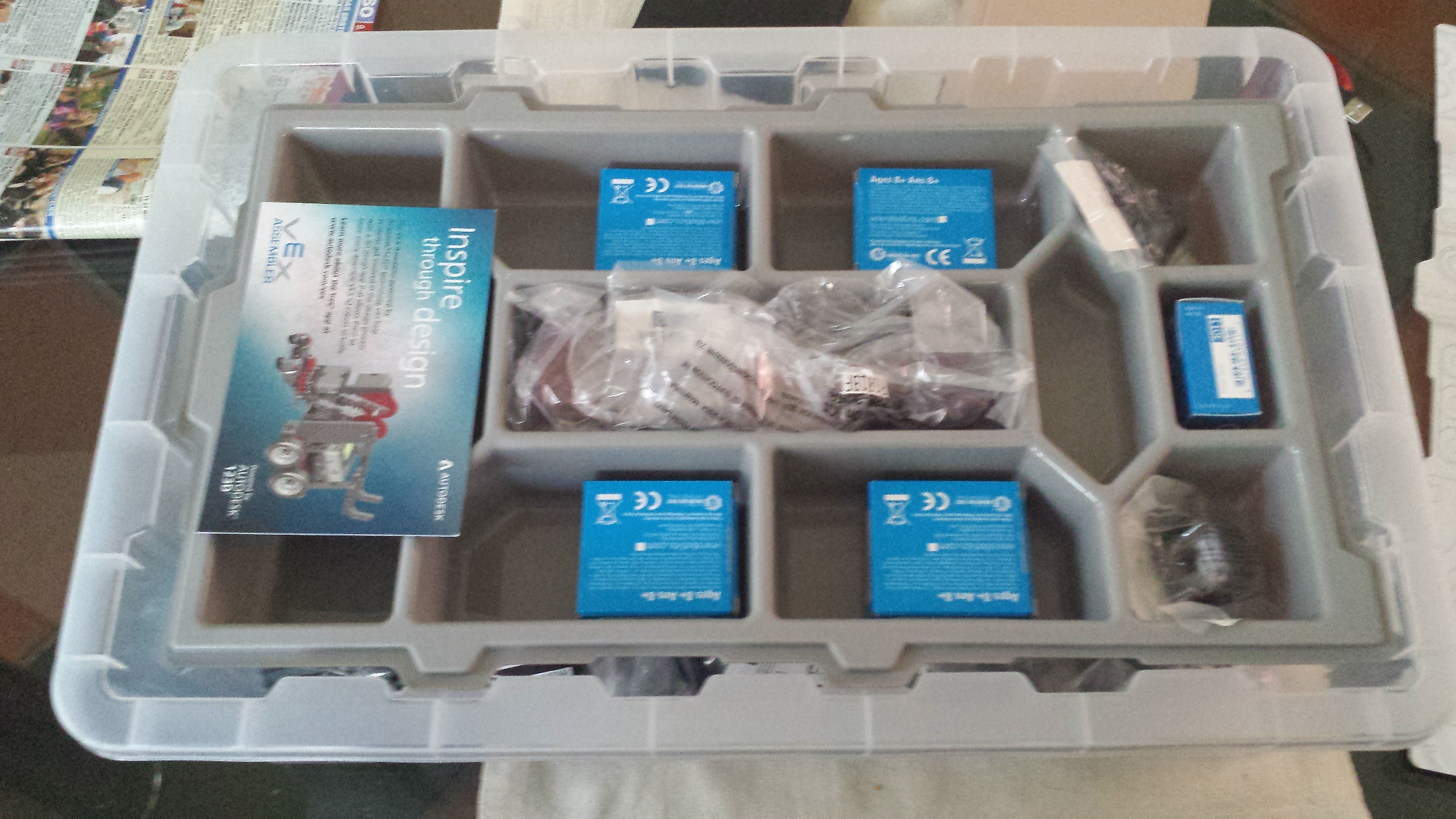

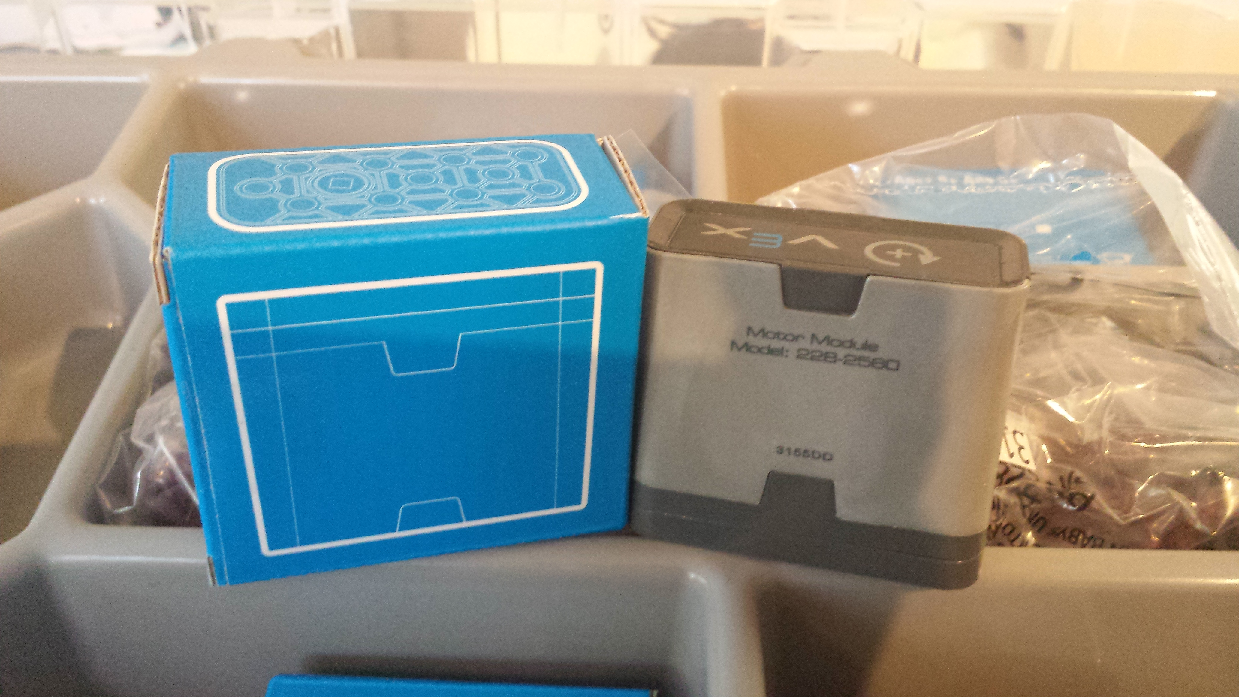
Still boxed motors, sensor and some parts in sorting tray.


One unboxed motor

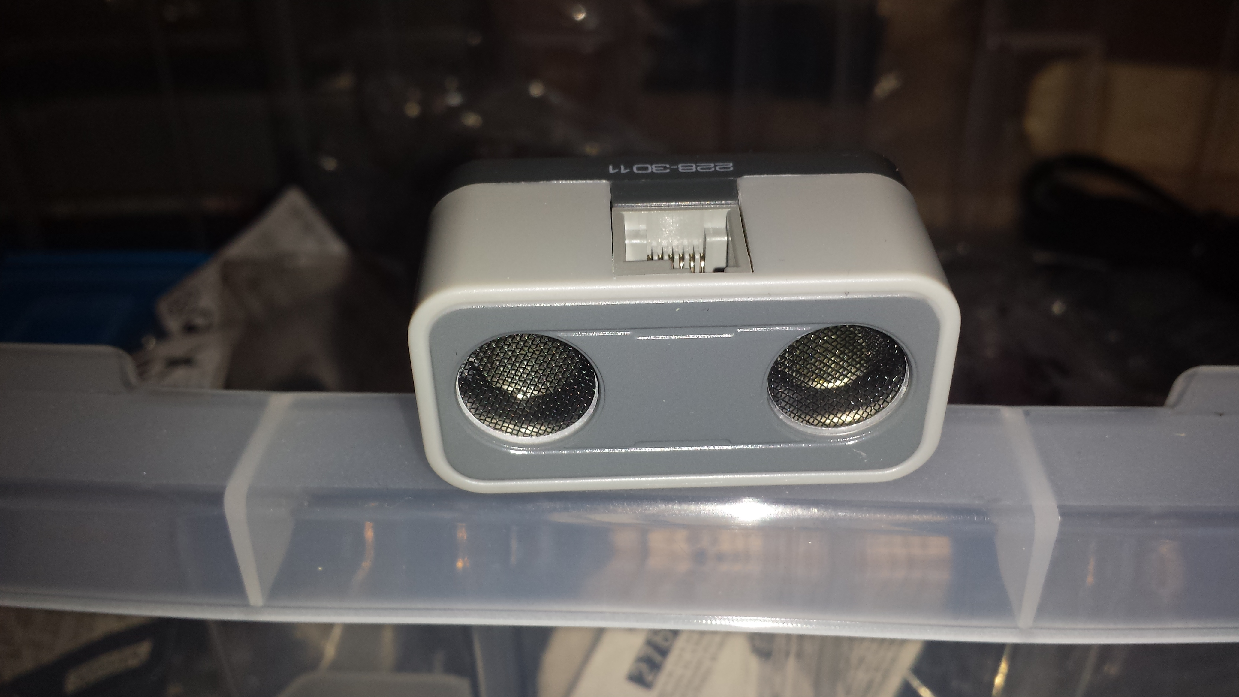
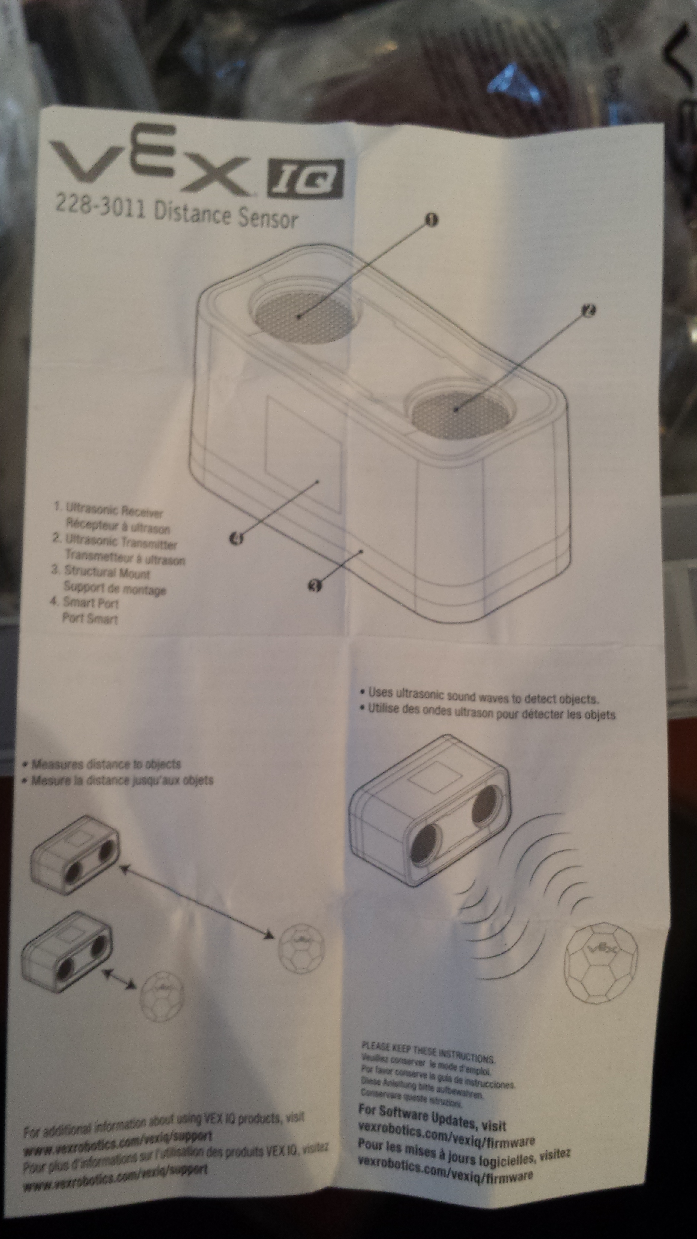
An unboxed distance sensor (ultrasonic).
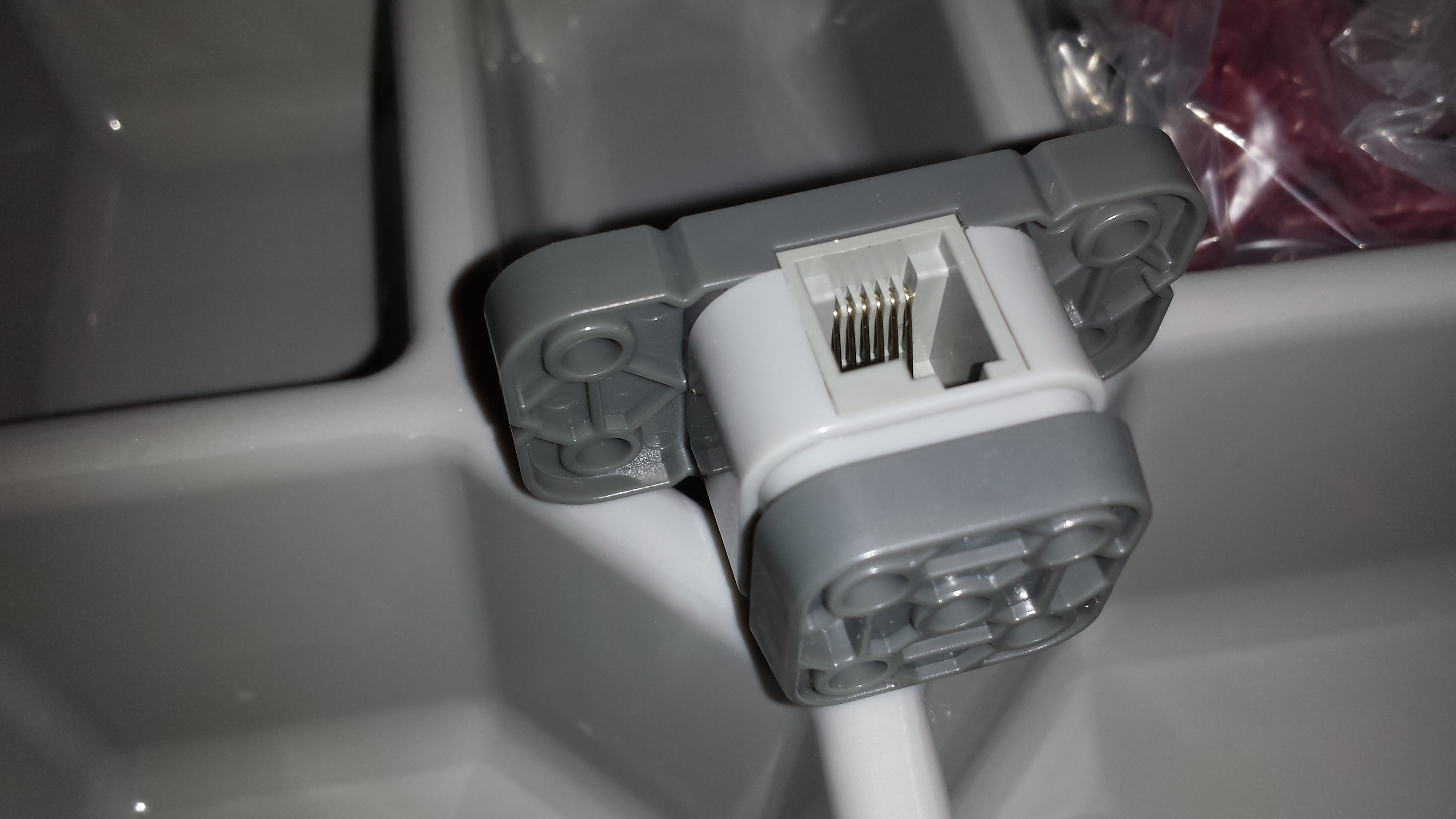

A touch-sensor/bumper.


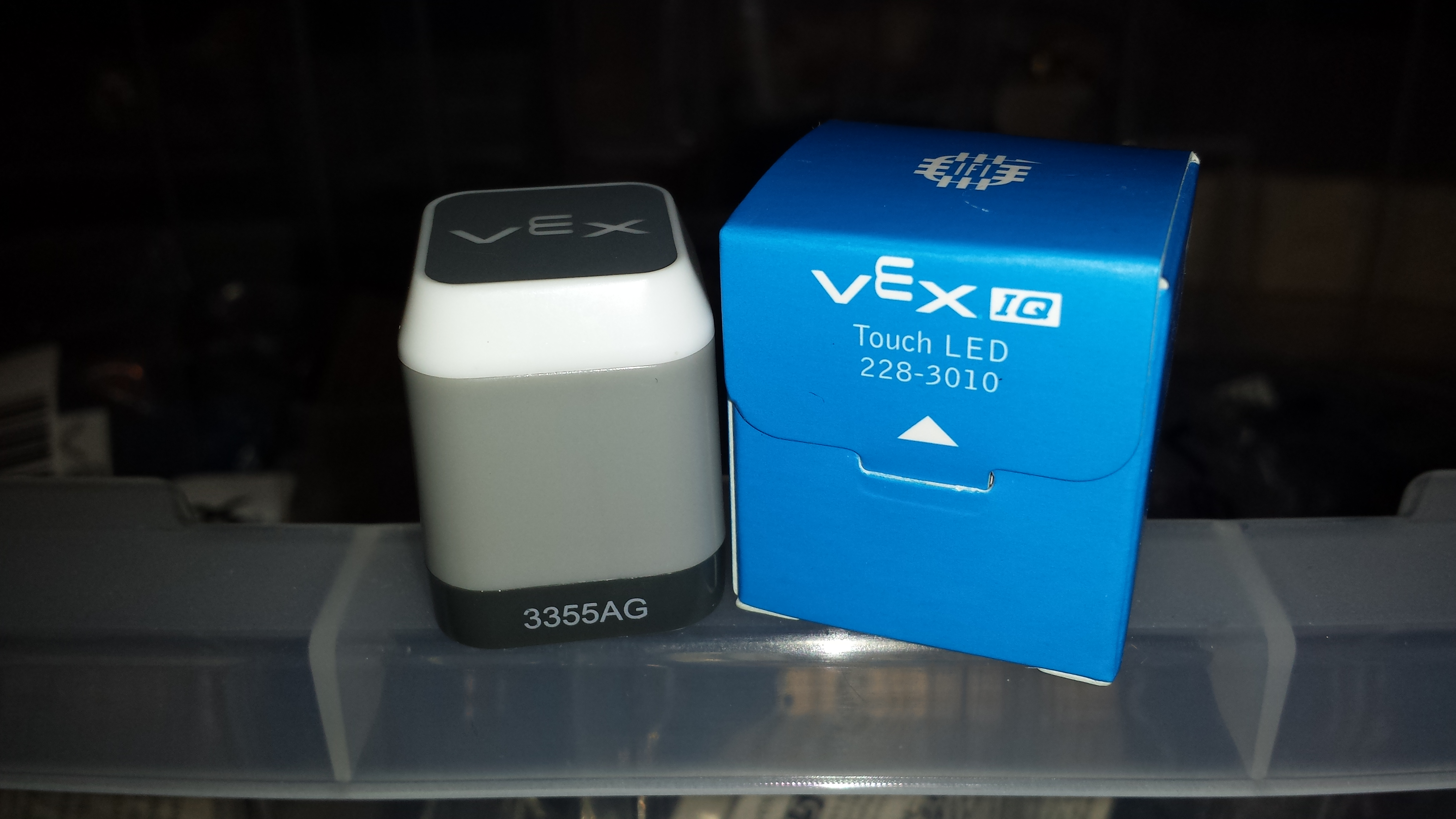
A Touch-LED, a touch sensor able to show 16mio diff. colors.


Electronic parts come with a small manual.


All this stuff hides under the sorting tray.


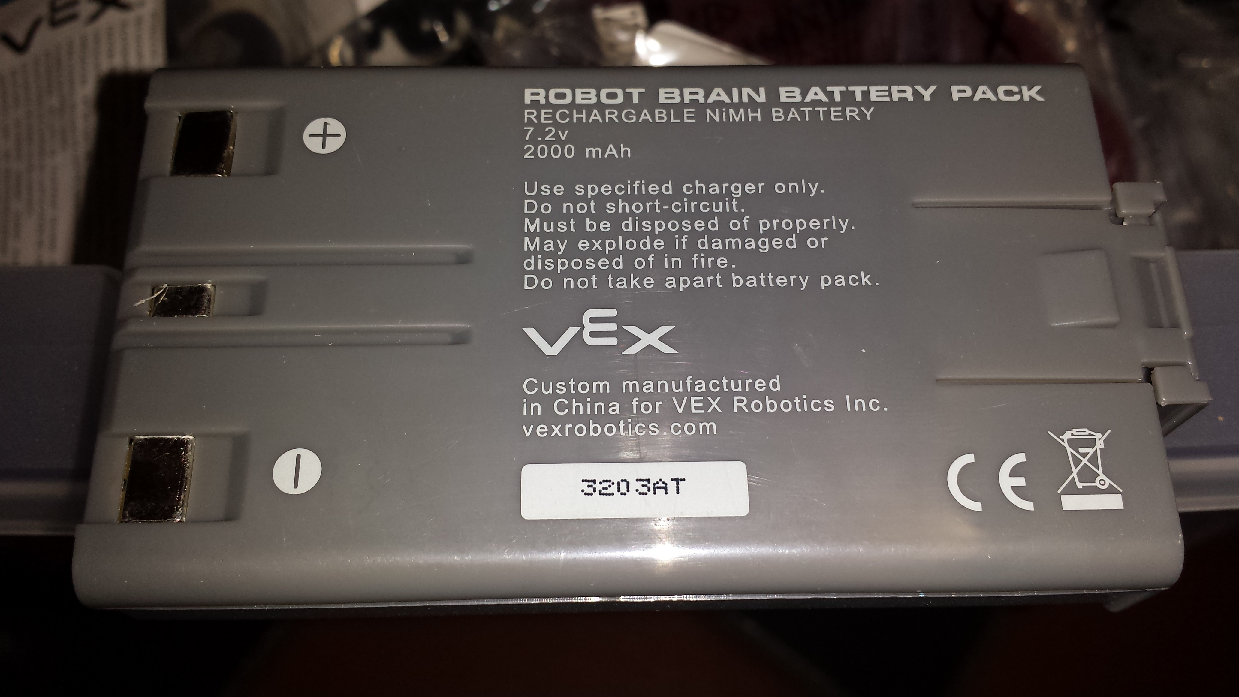
The battery pack for the robot brain.


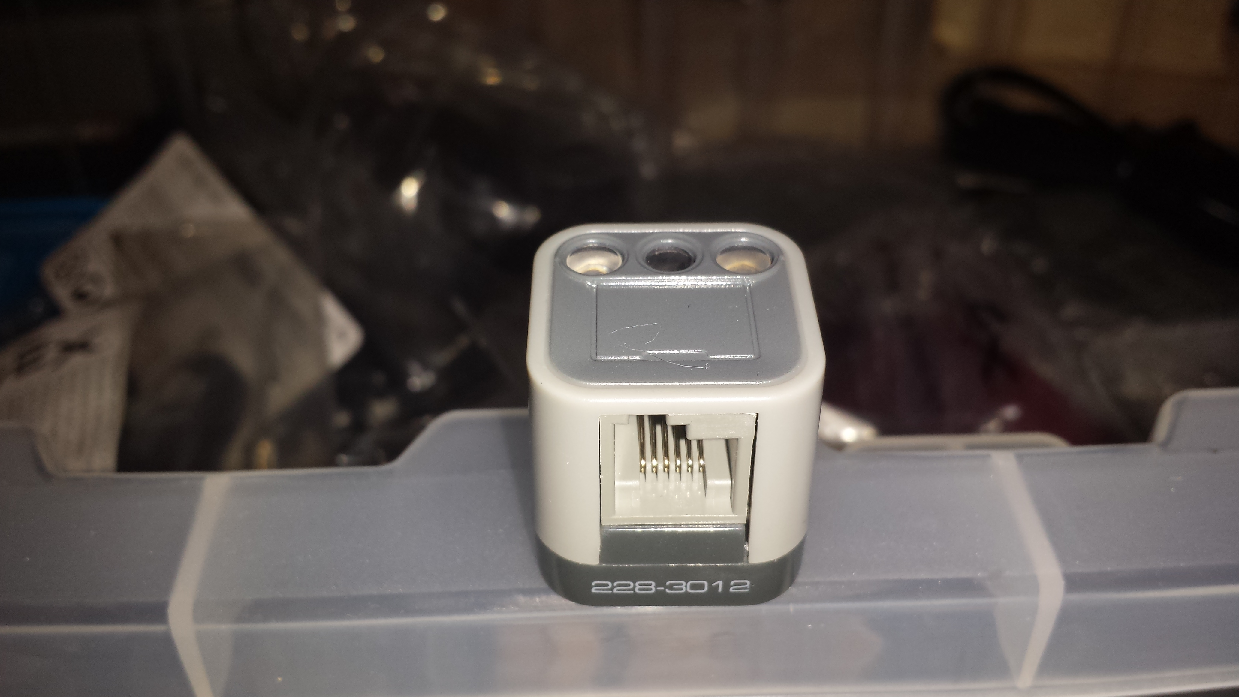
A color sensor.


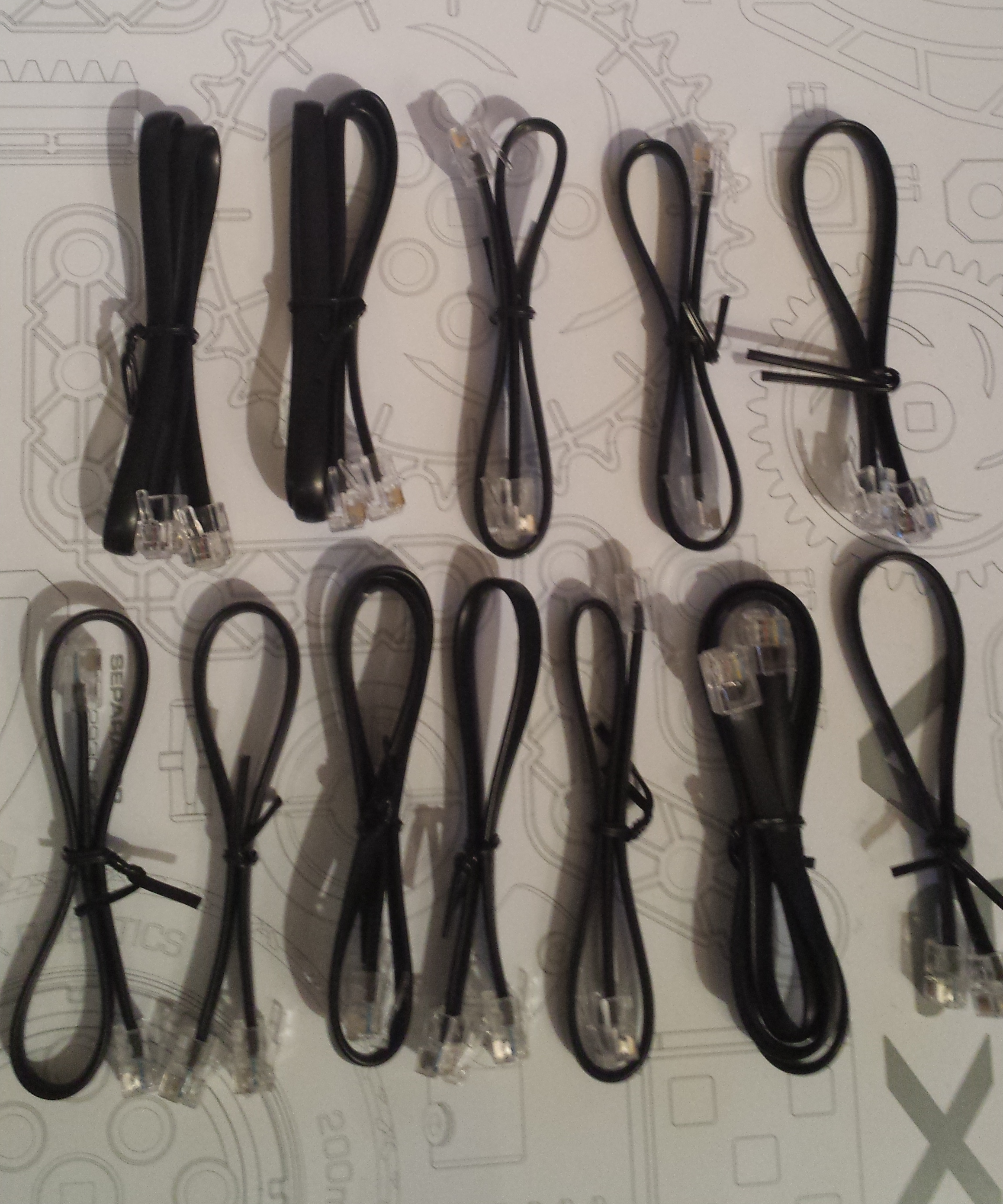
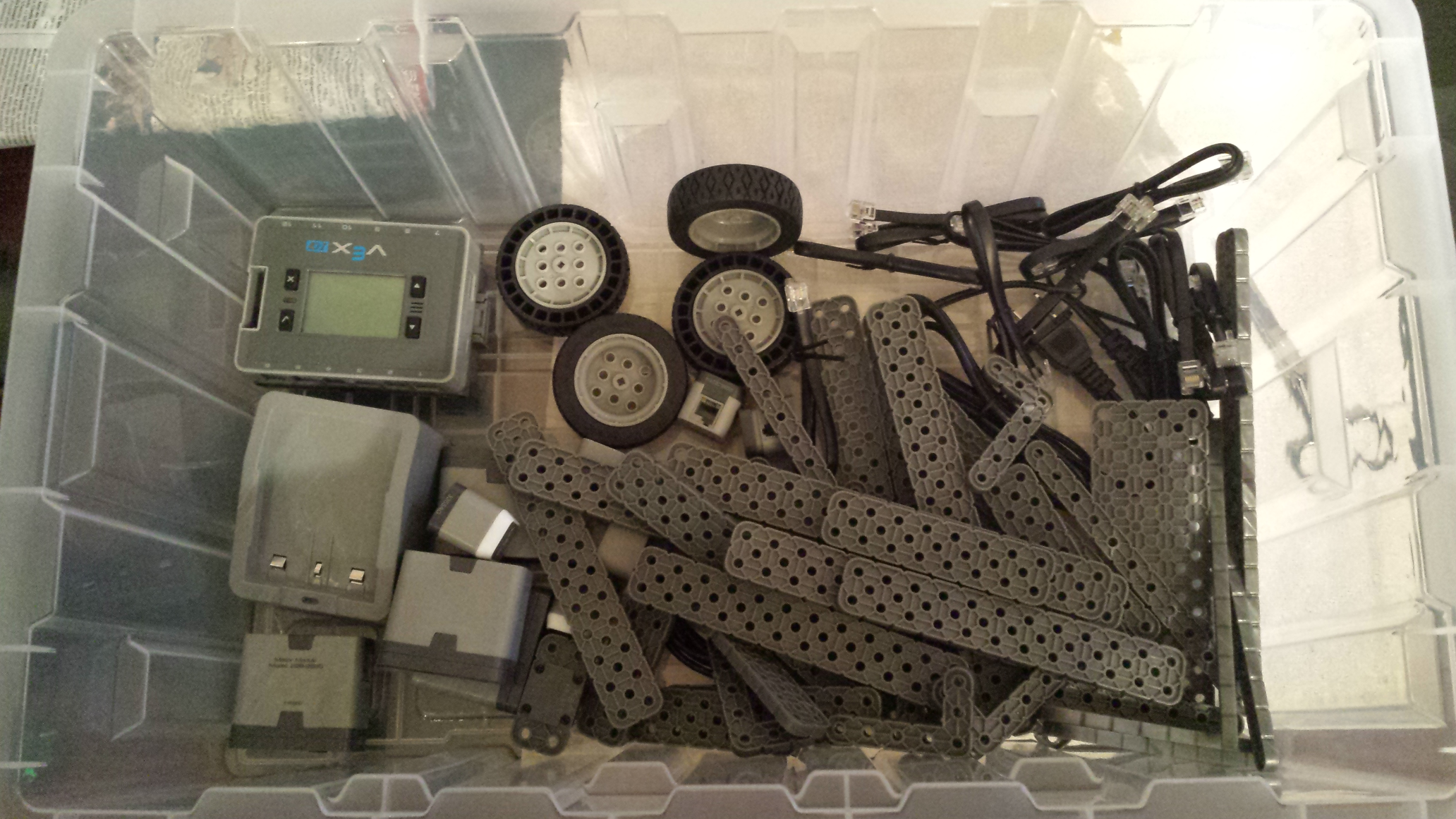
Big set of cables in various length.


The battery charging station with battery on it.


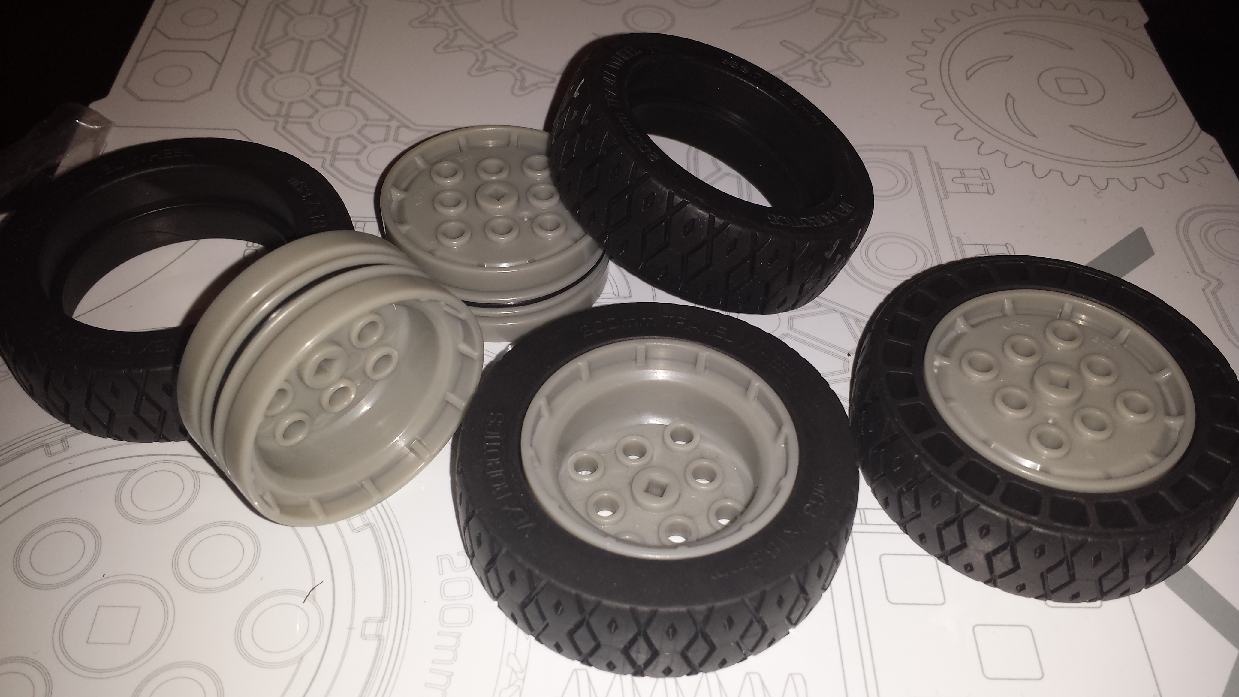
Wheels…


Gyro sensor


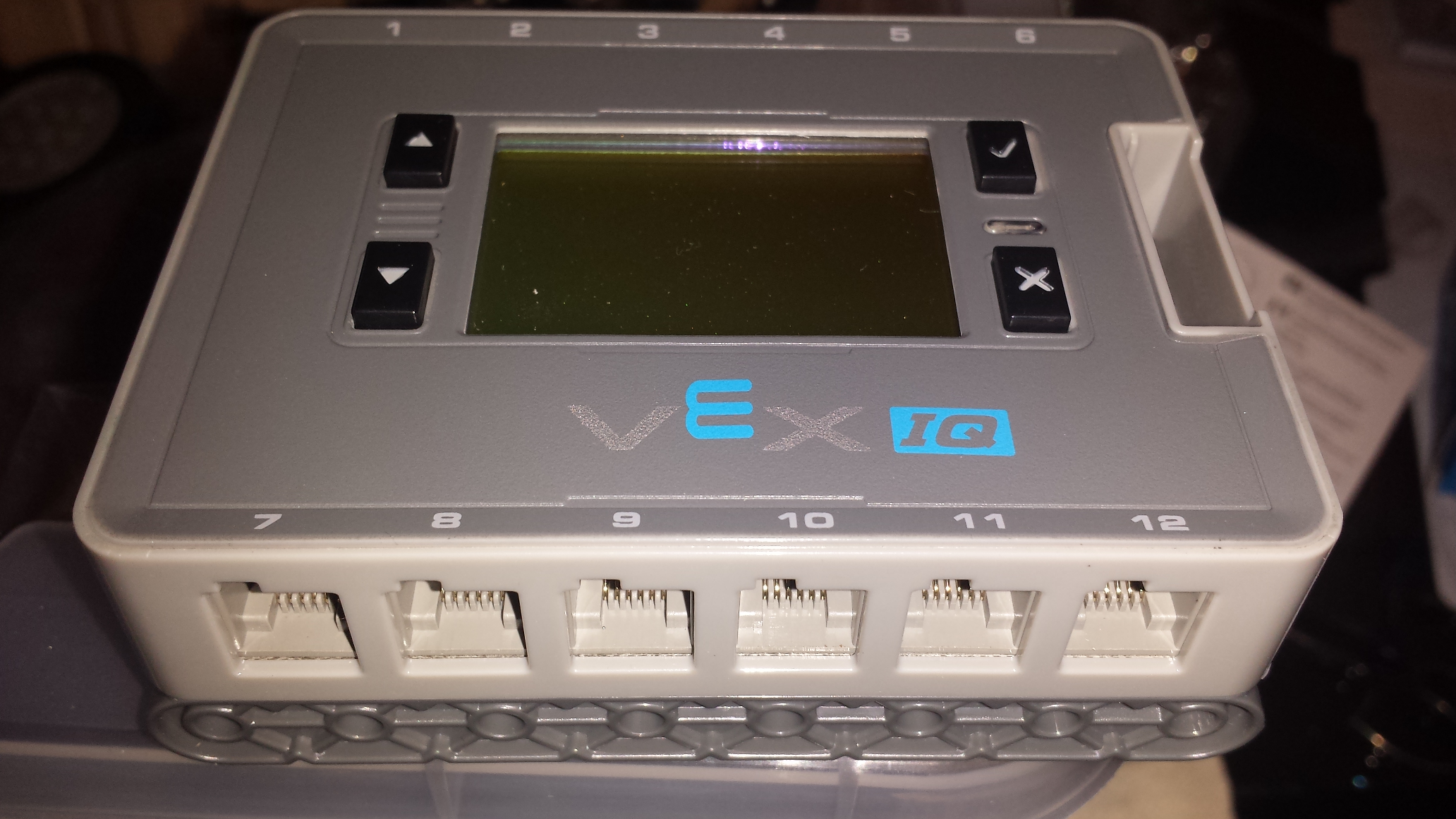
The robot brain


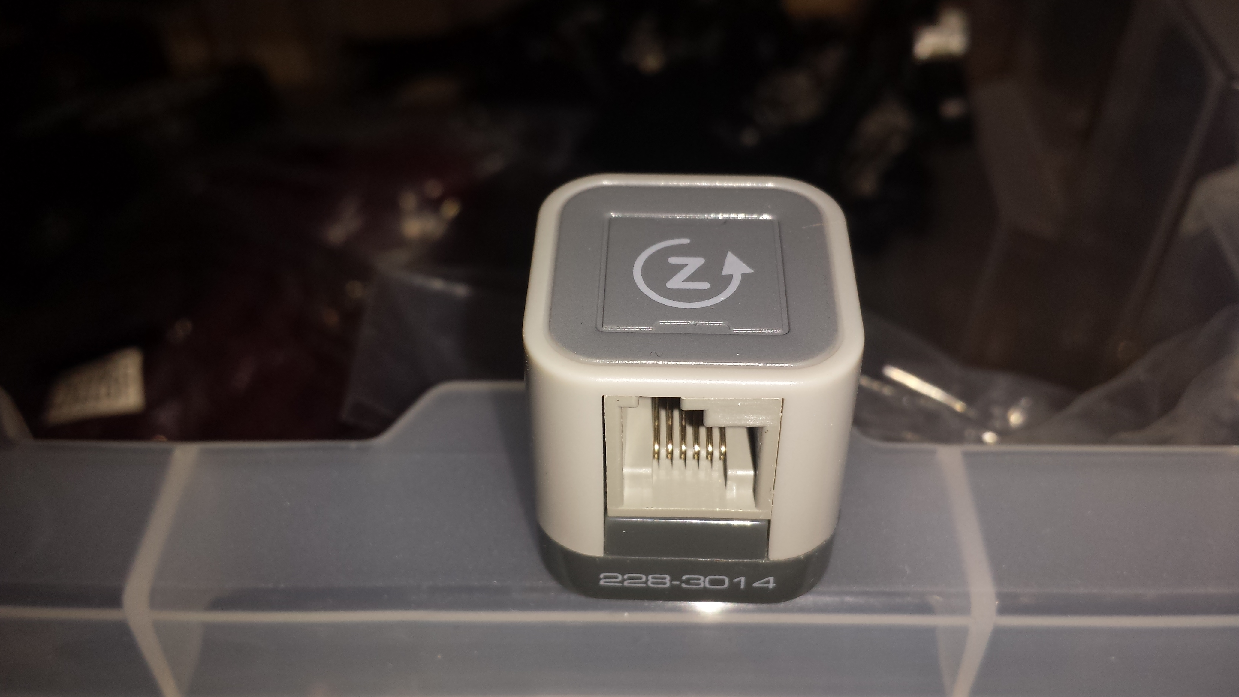
Connectors


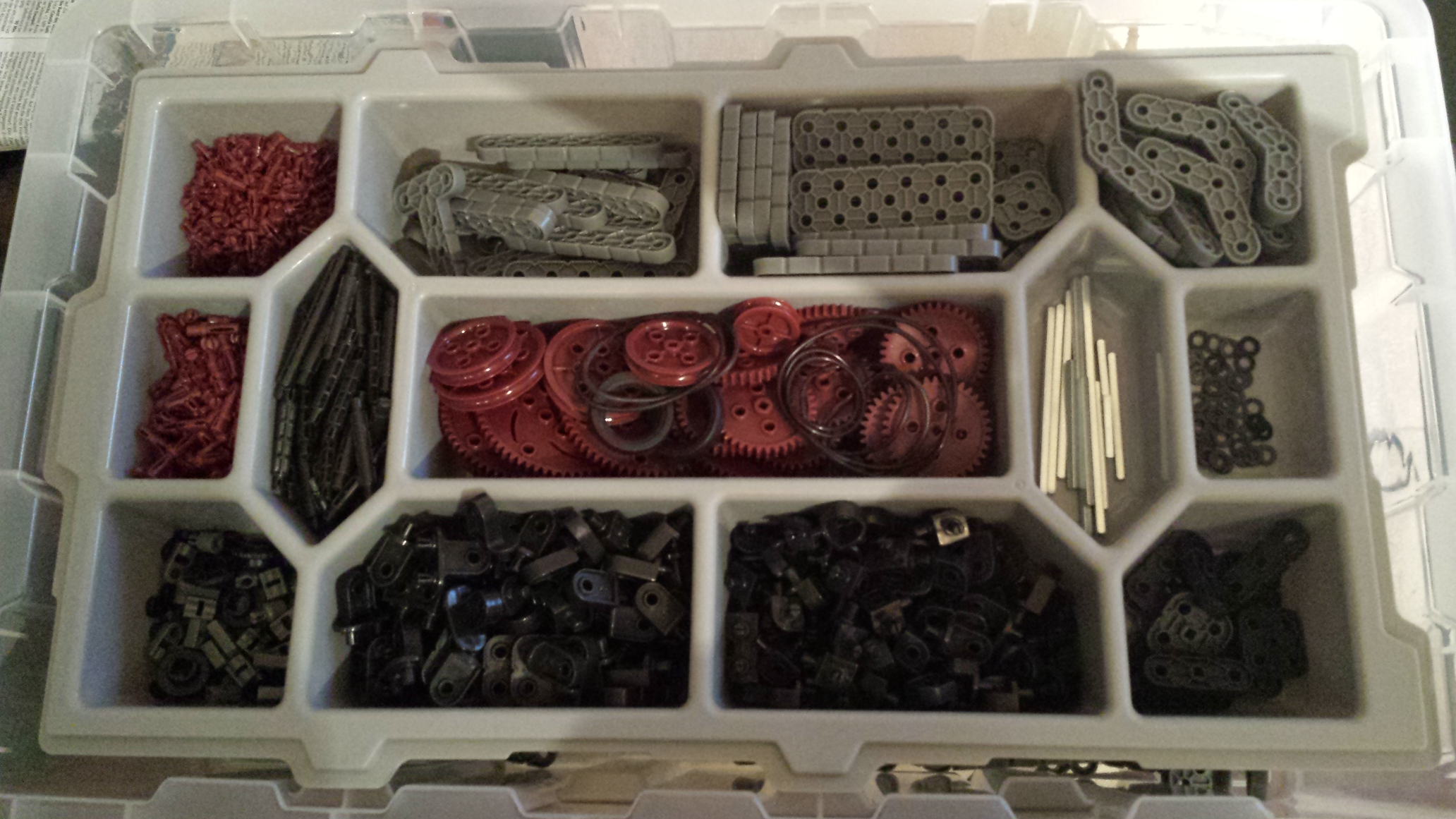
…and a lot of other parts, gears, shafts, etc…


…and even more parts…


Robot pictures taken at museum of technoloy, Vienna

The following pictures were taken at the robot exhibiton at the museum of technology in Vienna.
More information: http://www.technischesmuseum.at/ausstellung/roboter

SpacePI: Launching a BrickPi into near space

A few weeks back the guys at Dexter Industries completed their mission to launch a BrickPi, Raspberry Pi, and Raspberry Pi camera up into near space with a high altitude balloon.


More Information here.

EV3 Sensor Adapter for NXT or Arduino

I just stumbled across the following on the mindsensors.com products:

EV3 Sensor Adapter for NXT or Arduino


Using this adapter, you can attach new EV3 sensors to your NXT or Arduino.
(This is basically a UART to I2C adapter).

  • For NXT, works with BricxCC, and new EV3 IDE for NXT
  • Lightweight and small design, that fits in-line with your sensor and brick
  • Use with Arduino with NXShield


I will test this adapter in the near future and write more about it here. Because the adapter is not supporting NXT-G, but the new EV3 IDE together with the NXT brick, this will then also be my first time using the new software with the „old“ NXT hardware.

LEGO® MINDSTORMS® EV3 hits shelves on september 1st

Press release

ROBOTICS FANS AND EXTREME PLAY SEEKERS, MARK YOUR CALENDARS!

LEGO® MINDSTORMS® EV3 HITS SHELVES ON SEPTEMBER 1ST

Consumer Robotics Pioneers Reveal 12 Bonus Models Created by Community Experts;

Online Availability Expected Later this Month for Pre-Order

Billund, Denmark (August 1, 2013) – The LEGO Group today announced that LEGO® MINDSTORMS® EV3, the new award-winning consumer robotics platform, will hit retail shelves on September 1, 2013 and may start appearing later this month at select online retailers for pre-order. To inspire tinkerers of all ages with the limitless possibilities of the platform, the company unveiled the full collection of 12 bonus models designed by an international group of MINDSTORMS community experts that join five hero models introduced earlier this year.

Since the first public preview of MINDSTORMS EV3 at the Consumer Electronics Show in January, new and existing fans of all ages have been eagerly awaiting the updated system. The third evolution in the platform’s 15 year history, EV3 continues the legacy by energizing and growing the leading consumer robotics community of both children and adults. Since 1998, LEGO MINDSTORMS has expanded its influence across nations and generations from inspiring FIRST® LEGO League – the middle school robotics program with over 20,000 teams competing annually in more than 70 countries – to having real-world impact for prototyping at major research centers and manufacturers.

Powered by a stronger, faster intelligent brick and packing more memory and a larger processor, EV3 also features additions like a USB port, SD expansion slot and new infrared sensor for more control and capabilities. A Linux-based firmware provides endless programming possibilities to encourage hobbyists to push boundaries and imaginations and continue to grow the MINDSTORMS community’s library of over 15,000 creations. Users can also look forward to greater on-brick programming, full iOS and Android compatibility and first-ever 3D building instructions for tablets to bring the experience away from the computer when desired.

A multinational group of nearly 70 members of MINDSTORMS Community Partners (MCPs) from around the world contributed to the design process of the EV3 platform. The user-experts worked on a variety of topics including apps, hacking environments and creating the 12 bonus models that accompany the five hero robots at launch. The 12 bonus models include a never-before-seen robotic scribe, interactive shell game and robotic bulldozer, to further guide any new user’s exploration of robotics done the LEGO way.

“In the 15 years since MINDSTORMS debuted, the consumer robotics audience has grown exponentially and showcases increased tech savviness and creativity,” said Michael McNally, brand relations director for LEGO Group. “We’ve been overwhelmed by the public’s positive reactions since we introduced EV3 earlier this year; now with retail availability upon us we can’t wait to see how users will inspire us with their robotic creations.”

LEGO MINDSTORMS EV3 highlights include:

EV3 Intelligent Brick

  • Stronger and faster ARM9 robotic processor
  • Embedded 16MB FLASH memory
  • 64 MB RAM plus SD expansion slot
  • LINUX operating system, released under open source
  • USB 2.0 interface allows for WiFi connectivity
  • 4 input ports / 4 output ports allow up to four intelligent bricks to be connected together
  • Matrix display with loudspeaker
  • Building-compatible button interface with status indication
  • Enhanced on-brick programming
  • Bluetooth ® v2.1
  • iOS and Android compatible

Hardware

  • 3 Interactive Servo Motors: 2 large and 1 medium
  • Touch Sensor
  • New IR Seeker Sensor measures distance, movements and detects objects
  • New IR Beacon remotely controls robot from up to 6 feet away
  • Improved Color Sensor detects 6 colors plus the absence of color
  • Backwards-compatible with LEGO MINDSTORMS NXT
  • Assortment of 594 LEGO TECHNIC® elements for easy, more stable building with improved functionality and movement capabilities

Programming Software

  • Free PC and Mac compatible downloadable software available online starting September 1
  • Icon-based drag and drop environment with new interactive content that helps de-bug programming
  • Ability to zoom out on big programs aids creation of advanced concepts like parallel executions and arrays

Building Instructions

  • Step-by-step building instructions for 5 hero models: humanoid, snake, scorpion, gripper and tracker
  • Detailed building instructions for 12 bonus models including: arcade style game, bulldozer, shell game, robotic scribe, dinosaur, electric guitar, line follower, forklift, brick measurer, racing truck, prankster and droid, as seen in the news section of the MINDSTORMS web community
  • First-ever 3D interactive, step-by-step building instructions app powered by Autodesk lets builders rotate and zoom each step to model creation
  • LEGO MINDSTORMS EV3 will be available September 1, 2013 at most toy and discount merchandise retailers and online stores and will have a suggested retail price of $349.99(USD), €349.99(EUR) and $399.99(CAD). To meet increasing global demand, native language editions for Russia, China, Korea, Japan, Spain and Denmark will be released in addition to the English, French, German and Dutch language versions previously available. For more information, visit www.LEGO.com/mindstorms
  • For educators interested in bringing the engagement of robotics into STEM-related curriculum in middle school and high school classrooms, a new version of the MINDSTORMS platform optimized for school and institutional use is available now. The LEGO MINDSTORMS Education EV3 platform includes customizable curriculum; engaging, hands-on models and an easy-to-use programming platform.