Erfolgreiche Kickstarter-Kampagne: MD Robot Kit fördert Kreativität und Bildung in der Robotik

Das Kickstarter-Projekt „MD Robot Kit: Unlock your AI Robot Engineering Dream Job“ von MangDang zielt darauf ab, die Kreativität und das technische Know-how von Robotik-Enthusiasten zu fördern. Es bietet zwei Hauptroboter, die jeweils unterschiedliche Bedürfnisse und Interessen ansprechen.

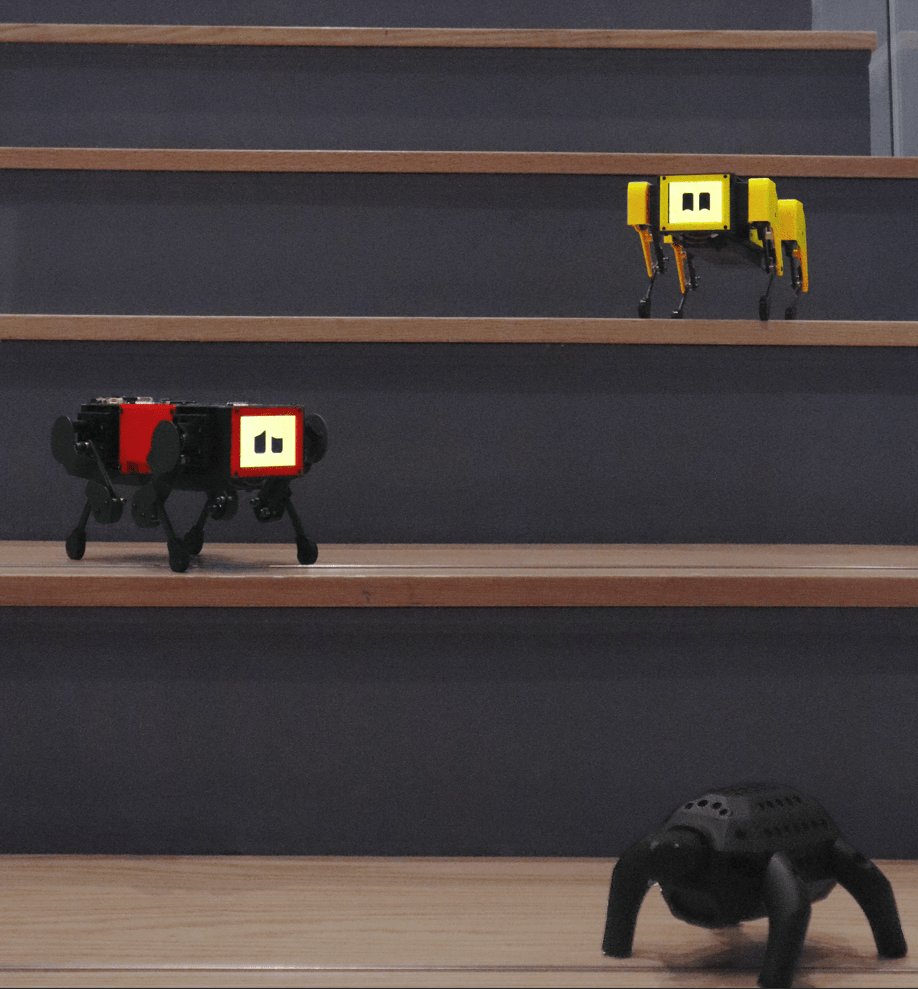
Der erste Roboter, der Mini Pupper, ist in mehreren Versionen erhältlich, darunter Mini Pupper 1, Mini Pupper 2 sowie die Modelle 2G und 2GA. Dieser Roboter ist ein kostengünstiges, persönliches Quadruped-Kit, das mit Open-Source-Software ausgestattet ist. Der Mini Pupper unterstützt multimodale generative KI-Plattformen wie ChatGPT von OpenAI, Gemini von Google und Claude von AWS. Zudem ist er mit ROS1 und ROS2 kompatibel, was seine Fähigkeiten in den Bereichen SLAM (Simultaneous Localization and Mapping) und Navigation erweitert. Die Integration von OpenCV ermöglicht es dem Roboter, Deep Learning mit Kameras durchzuführen. Dank der Nutzung von Raspberry Pi und Arduino bietet der Mini Pupper eine hohe Anpassungsfähigkeit und Erweiterbarkeit, was ihn ideal für Entwickler macht, die ihre eigenen Projekte realisieren möchten.

Der zweite vorgestellte Roboter ist der Turtle Robot, der bald verfügbar sein wird. Dieser Roboter richtet sich speziell an Schulen, Homeschooling-Familien und Roboter-Enthusiasten. Während detaillierte Spezifikationen noch nicht vollständig veröffentlicht wurden, ist klar, dass der Turtle Robot ebenfalls darauf abzielt, das Lernen und die Kreativität im Bereich der Robotik zu unterstützen.
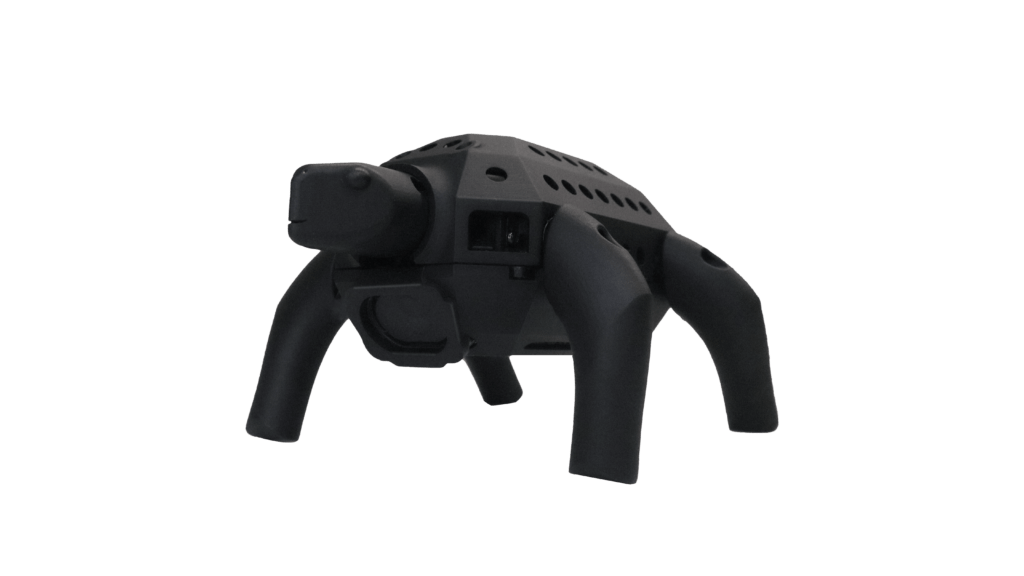
Die Kampagne selbst hat ein Finanzierungsziel von 9000€ gesetzt und dieses mit einer erreichten Summe von knapp 19000€ , was über 200% des ursprünglichen Ziels entspricht, deutlich übertroffen. Die Kampagne läuft vom 5. September 2024 bis zum 5. Oktober 2024 und zog bisher 80 Unterstützer an. Ein herausragendes Merkmal der MD Robot Kits ist ihre Open-Source-Natur, die es den Nutzern ermöglicht, die Roboter in weniger als einer Stunde zusammenzubauen. Dies macht sie besonders zugänglich für eine breite Zielgruppe, die von Bildungseinrichtungen bis hin zu DIY-Enthusiasten reicht. Das Projekt ist darauf ausgelegt, nicht nur technisches Wissen zu vermitteln, sondern auch die Freude an der Schaffung und Anpassung von Robotern zu fördern.
Roboter

1. Mini Pupper:

  • Versionen: Mini Pupper 1 (2021), Mini Pupper 2 (2022), Mini Pupper 2G & 2GA.
  • Design: Ein kostengünstiges, persönliches Quadruped-Kit mit Open-Source-Software.
  • Funktionen: Unterstützt multimodale generative KI wie ChatGPT von OpenAI, Gemini von Google und Claude von AWS. Es ist kompatibel mit ROS1 und ROS2 für SLAM & Navigation und basiert auf OpenCV für Deep Learning mit Kameras.
  • Erweiterbarkeit: Nutzt Raspberry Pi und Arduino, was hohe Anpassungsfähigkeit ermöglicht.
  • Open-Source-Plattform: Der Mini Pupper unterstützt das Robot Operating System (ROS) und bietet Funktionen wie SLAM (Simultaneous Localization and Mapping) und Navigation. Er ist mit Lidar- und Kamerasensoren ausgestattet, die es ihm ermöglichen, seine Umgebung zu kartieren und sich autonom zu bewegen.
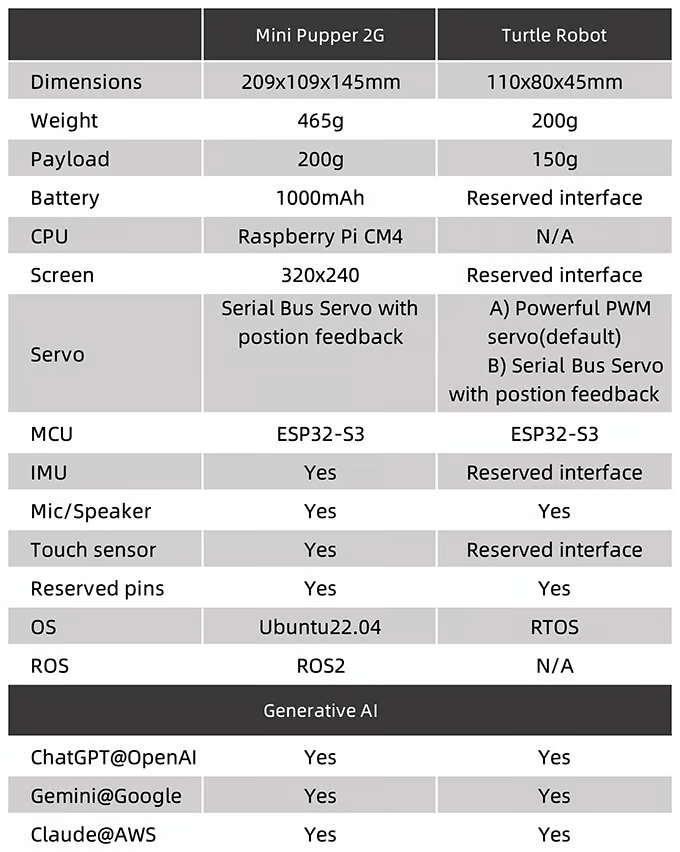
  • Technische Spezifikationen: Der Roboter verfügt über 12 Freiheitsgrade, die durch fortschrittliche Servomotoren ermöglicht werden. Diese Motoren bieten Feedback zu Beschleunigung und Kraft, was eine präzise Steuerung erlaubt.
  • Hardware und Erweiterbarkeit: Der Mini Pupper nutzt den Raspberry Pi 4B oder das Raspberry Pi Compute Module 4 als zentrale Recheneinheit und ist mit einem ESP32 als Mikrocontroller ausgestattet. Er verfügt über ein IPS-Display mit einer Auflösung von 240 x 320 Pixeln, ein Mikrofon, Lautsprecher und einen Touch-Sensor.
  • Anpassungsfähigkeit: Dank seiner Open-Source-Natur kann der Mini Pupper tiefgreifend modifiziert werden. Nutzer können eigene Module hinzufügen und den Roboter für verschiedene Projekte anpassen, wie z.B. das Verfolgen von Objekten im Raum.
  • Bildung und Community: Der Mini Pupper ist ideal für Schulen und Homeschooling-Familien geeignet. Er wird mit umfassenden Anleitungen und Ressourcen geliefert, die den Einstieg in die Robotik erleichtern. Nutzer können Teil einer globalen Community werden, um Ideen auszutauschen und Unterstützung zu erhalten.
  • Preis und Verfügbarkeit: Im Rahmen der Kickstarter-Kampagne wird der Mini Pupper in verschiedenen Versionen angeboten, wobei das Basismodell etwa 479 Euro kostet. Die Auslieferung soll im Februar beginnen, wobei Unterstützer das finanzielle Risiko von Crowdfunding-Kampagnen beachten sollten.
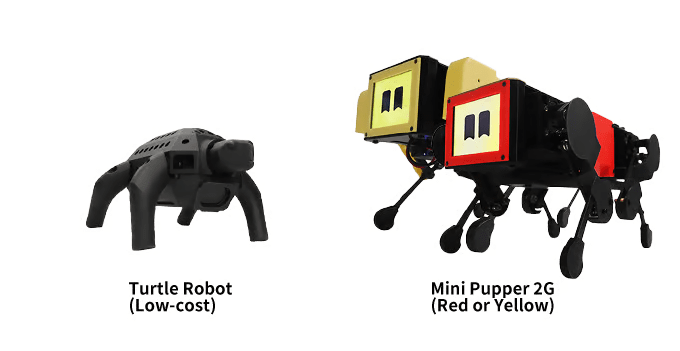
2. Turtle Robot:

  • Open-Source-Projekt: Der Turtle Robot basiert auf Arduino und ist ein Open-Source-Projekt, das die Integration von generativer KI unterstützt. Dies ermöglicht den Nutzern, den Roboter individuell anzupassen und zu erweitern.
  • Erschwinglichkeit: Der Turtle Robot ist eine kostengünstige Lernplattform für multimodale generative KI und wird zu einem Einführungspreis von 60% Rabatt auf 99 US-Dollar angeboten. Dies macht ihn besonders attraktiv für Bildungseinrichtungen und DIY-Enthusiasten.
  • Benutzerfreundlichkeit: Der Roboter ist so konzipiert, dass er innerhalb einer Woche aufgebaut und in Betrieb genommen werden kann. Dies erleichtert es Anfängern, schnell mit dem Lernen und Experimentieren zu beginnen.
  • Unterstützung und Ressourcen: MangDang bietet umfassende Unterstützung über verschiedene Kanäle sowie Zugang zu allen Code- und Design-Dateien über ein GitHub-Repository. Nutzer können die STL-Design-Dateien ausdrucken und ihre eigenen Ideen einbringen.
  • Multimodale Generative KI: Der Turtle Robot nutzt fortschrittliche KI-Technologien, die kontinuierliche Sprachinteraktionen ermöglichen. Die KI kann sich an frühere Gespräche erinnern und darauf basierend personalisierte Antworten geben.
  • Anwendungsbeispiele: Es gibt zwei Arduino-Projekte, die mit dem Turtle Robot genutzt werden können: eines zum Testen einzelner Funktionen und ein weiteres, das alle Funktionen über Sprachsteuerung ausführt.
  • Verfügbarkeit: Der Turtle Robot war im Rahmen der Kickstarter-Kampagne bis Oktober 2024 erhältlich und wird danach in einem Online-Shop verfügbar sein.
https://www.kickstarter.com/projects/mdrobotkits/md-robot-kits-open-source-support-your-genai-creativity?ref=txm87x

Future Makers program: Maker Days Eindhoven invests in the future

Friday, September 13th marks the kick-off day for Maker Days Eindhoven. The day begins with the launch of the Future Makers program in collaboration with the Novalis high school from Eindhoven, followed by Maker Night in the evening—a premiere of a mind-blowing experience featuring unique Sound Machines.

On Friday, September 13th, the Future Makers Factory will debut, a unique program aimed at young people, developed in collaboration with schools and partners. This day is all about innovation, technology, and creativity and serves as a significant lead-up to Maker Days Eindhoven, which will take place on Saturday, September 14th, and Sunday, September 15th.

Foto: Max Kneefel

In the morning, the Maker Days organization will host four classes from Novalis high school in Eindhoven for an inspiring and educational program. Students will participate in various workshops designed to challenge and inspire them to discover and develop their own creativity. The workshops focus on themes such as Sound Machines, virtual reality, the metaverse, video, music, upcycling, sustainable living, kinetic art, cyber fashion, gaming, transformer, and robot art.

The Future Makers Factory is not just an event; it is a powerful statement promoting creative technology and the development of 21st-century skills. As a side event of Maker Days Eindhoven, this program puts maker education firmly on the map, offering young people aged 14 to 25 the chance to discover and develop their talents.

The kick-off day continues into the evening, where all youth under the age of 23 are invited. Maker Night is a special performance program developed specifically for this age group. During this evening, they can enjoy spectacular and interactive performances, a perfect way to conclude a day full of innovation. Tickets for this evening are available at makerdays.nl.

Robotics competitions in Hamburg: Winners are alliances from Berlin and Brandenburg as well as Rockenhausen and Berlin

VRC und VIQC German Masters Winners:

▪ Winners of the VEX Robotics Competition: Alexander-von-Humboldt-Gymnasium (Berlin) and Heinitz-Gymnasium (Rüdersdorf)
▪ Winners of the VEX IQ Challenge: IGS Rockenhausen (Rhineland-Palatinate) and BEST-Sabel (Berlin)
▪ Almost 35 teams met at the German finals from 6 to 8 March
▪ Students from IGS Rockenhausen (Rhineland-Palatinate) and Ernst-Abbe Gymnasium in Oberkochen secured tickets for the VEX Robotics World Championship in Dallas

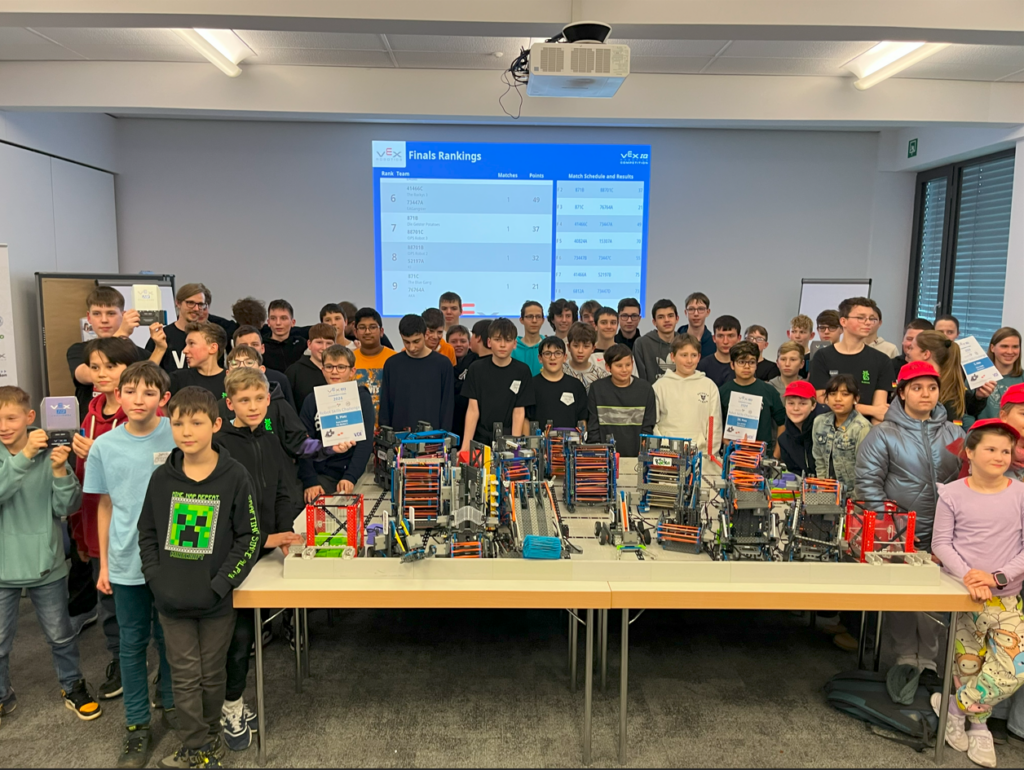
Hamburg, March 8, 2024. Hectic activity has reigned over the past three days at the Hamburg University of Applied Sciences (HAW Hamburg). Around 150 pupils from general education schools and vocational schools from all over Germany worked on robots that they had designed themselves over the past few months. Their goal: For the final rounds of the German VEX robot competitions, they wanted to get the best out of their babies. A total of 14 trophies were up for grabs, which were ultimately awarded to twelve different teams. 

Winners of the cooperative tournament competitions at the German Masters  In the VEX Robotics Competition (VRC), the Alexander-von-Humboldt Gymnasium (Berlin) and the Heinitz-Gymnasium (Rüdersdorf) prevailed. The VEX IQ Challenge (VIQC) was won by an alliance of IGS Rockenhausen  (Rhineland-Palatinate) and BEST-Sabel educational institutions (Berlin). 

Luca Eckert (from left) and Jonas Köhler (IGS) as well as Tim Heintze and Konrad Möhring (BEST-Sabel) won the VEX IQ Teamwork Challenge

The German Masters gives you the opportunity to qualify for the VEX Worlds. These „World Championships“ will take place from April 25 to May 3 in Dallas, Texas, with 1,000 teams from 50 countries. The prerequisite for flying overseas: winning the Excellence Awards. A jury awards them on the basis of the performance in the competition and other criteria such as the capabilities of a robot in comparison. Students from IGS Rockenhausen (High and Middle School) and the Ernst-Abbe-Gymnasium in Oberkochen (Middle and Elementary School) will travel to Dallas. 

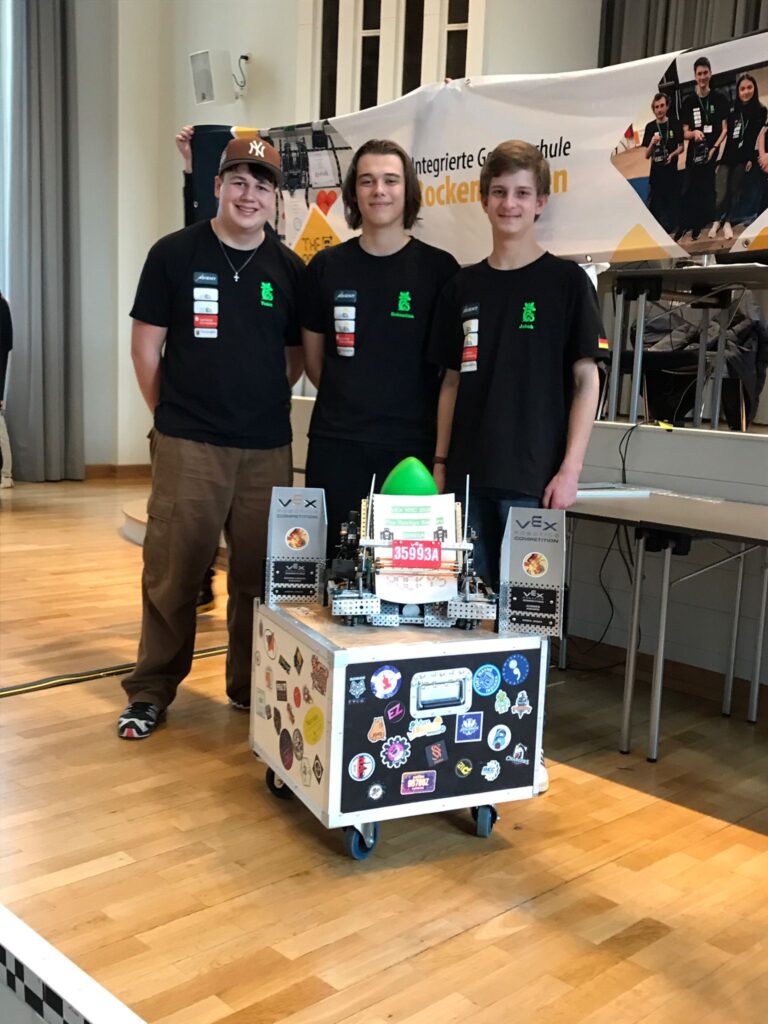
Tobit Gries (from left), Sebastian Gasior and Jakob Bachmann from IGS Rockenhausen snatched the Excellence Award/High School

The worldwide competitions of the Robotics Education &  Competition (REC) Foundation, which is based in the USA, are organized in Germany by the Hamburg-based association  roboMINT. 

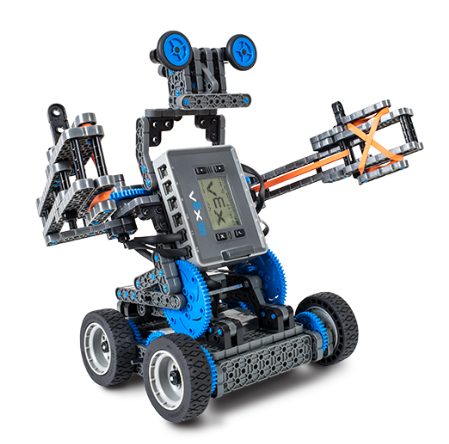
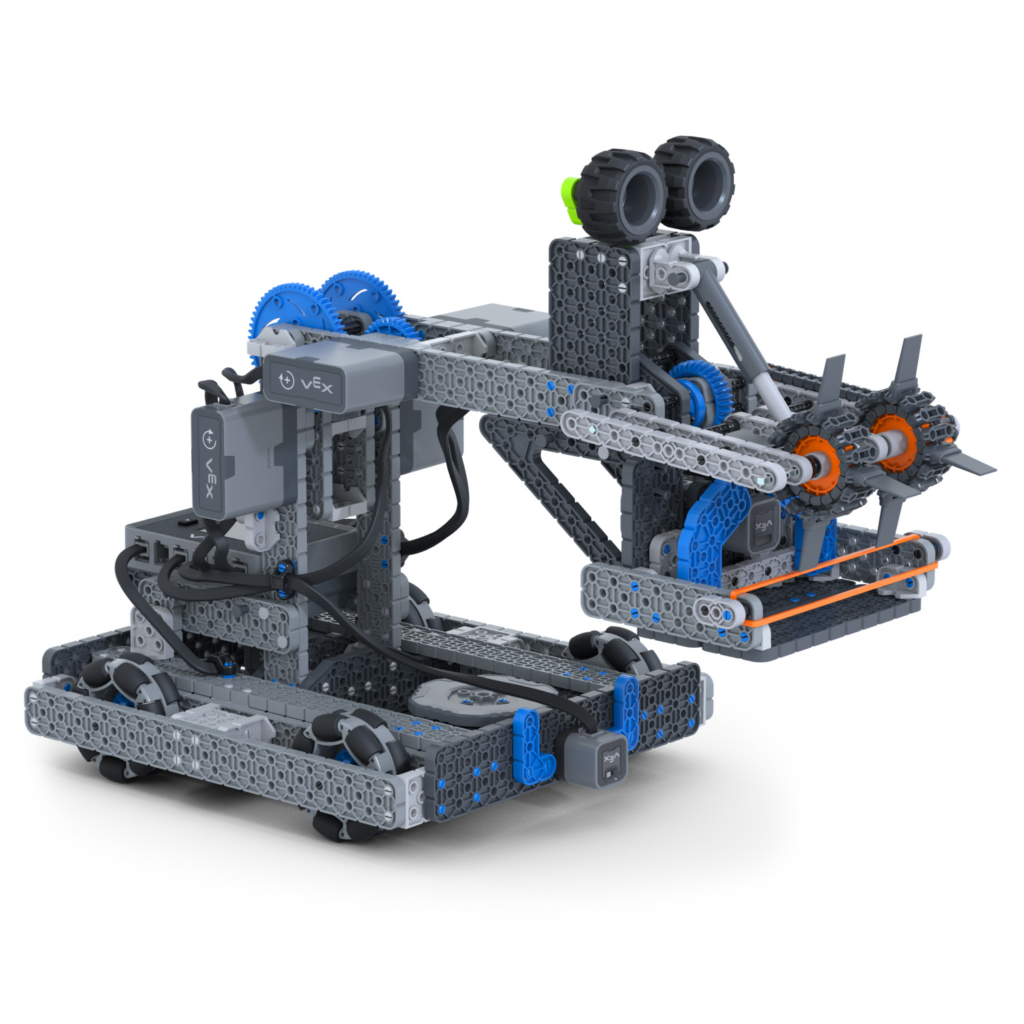
The VEX Robotics Competition (VRC) is open to students from the age of eleven . A team consists of at least two students, it competes in alliances  against other teams. The aim of a game in autonomous and remote-controlled  driving modes is, among other things, to get as many tripballs as possible into your own goal or into  your own offensive zone.  

Till Schneider (l.) and Vincent Fratzscher (Heinitz-Gymnsaium) won the trophy in the VRC team competition

The VEX IQ Challenge (VIQC) is open to students between the ages of eight and 15. A team consists of at least two students, it competes together with another team. One of the goals of the game is to convert as many blocks as possible into goals. Points are also awarded if the robot is parked in the „Supply Zone“ at the end of a match.  

Anes Rebahi (from left), Nico Menge, Karl Steinbach, Maximilian Marschner and Erik Tunsch (Alexander-von Humboldt-Gymnasium) won the VRC team competition

VRC and VIQC German Masters in Hamburg: German finals of robotics competitions

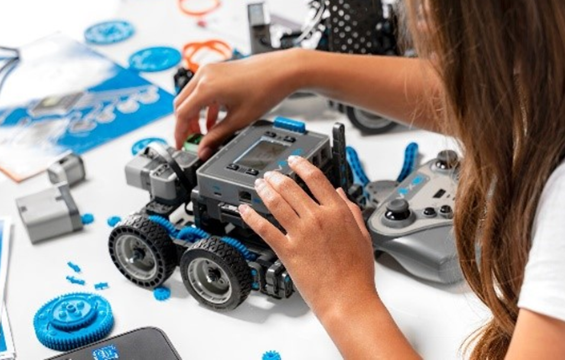
Hamburg, February 2024: Next week, the final rounds of the VEX robot competitions will take place in Germany. Around 150 students from general education schools and vocational schools from all over Germany meet at the Hamburg University of Applied Sciences (HAW Hamburg) to find out which of the robots they have designed best solves given tasks. The worldwide competitions of the Robotics Education & Competition (REC) Foundation, which is based in the USA, are organized in Germany by the Hamburg-based association roboMINT. 

The Competition Categories

The VEX Robotics Competition (VRC) is open to students from the age of eleven . A team consists of at least two students, it competes in alliances  against other teams. One of the goals of a game is to get as many tripballs as  possible into your own goal or into your own offensive zone. 

As part of the VEX IQ Challenge, students between the ages of eight and 15 can participate. A team consists of at least two students, it competes together with another team. One of the goals of the game is to convert as many blocks as possible into goals. Points are also awarded if the robot is parked in the „Supply Zone“ at the end of a match. 

Through the German Masters, participants can qualify for the VEX Worlds from April 25  to May 3 in Dallas (US state of Texas) with 1,000 teams from 50 countries .

German Masters 

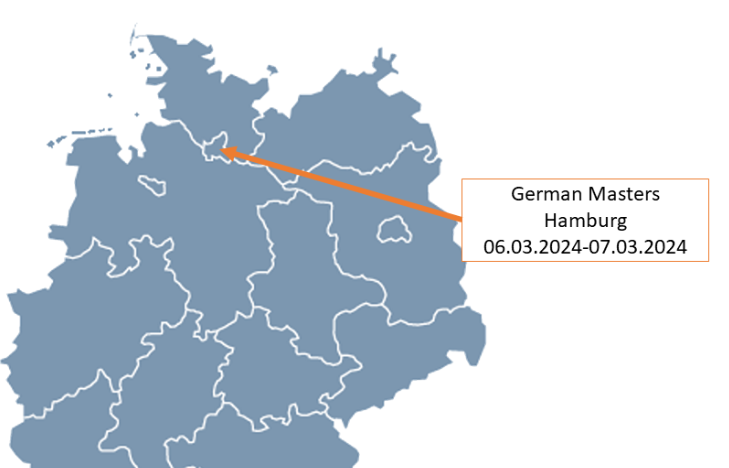
Venue: HAW Hamburg 

Berliner Tor 21, Aula 

Wednesday, 06.03.: VRC, start qualification 1 at 12.30 p.m. 

Thursday, 07.03.: VRC, start qualification 2 at 9.30 a.m., final: 1.00 p.m.

Friday, 08.03.: VIQC, start qualification at 11.00 a.m., final: 3.45 p.m.

Contac persont: 

Ralph Schanz
Chairman of roboMINT e.V.

About the roboMINT e.V.:

It all started in the 2017/2018 season. Together with the student campus dEin Labor of the TU Berlin, roboMINT conducted the first VEX Robotics student competitions in Germany. The first team to qualify for the annual „World Championships“ in the USA was the Heinitz-Gymnasium Rüdersdorf. In the meantime, there are various regional preliminaries and two „Nationals“ (VIQC and VRC) nationwide. Currently, a total of seven teams from Germany can qualify for the „World Championships“ in Dallas each season. 

roboMINT supports and coordinates the nationwide VEX robotics competitions. The association informs and supports the participating teams, the supervisors and the regional organizers. The aim of the association is to promote STEM education in Germany. 

VRC und VIQC German Masters an der HAW: Deutschland-Finale der Robotik-Wettbewerbe

  • 6. bis 8. März 2024, Hamburg
  • Insgesamt 35 Teams treffen in zwei Wettbewerben aufeinander
  • Den Siegern winkt eine Teilnahme an der VEX Robotics World Championship in Dallas

Hamburg, Februar 2024: In der kommenden Woche finden die Endrunden der VEX-Roboterwettbewerbe in Deutschland statt. An der Hochschule für Angewandte  Wissenschaften Hamburg (HAW Hamburg) treffen sich etwa 150 Schüler von  allgemeinbildenden Schulen und Berufsschulen aus ganz Deutschland, um  herausfinden, welcher der von ihnen konstruierten Roboter vorgegebene Aufgaben  am besten löst. Der weltweiten Wettbewerbe der in den USA beheimateten Robotics  Education & Competition (REC) Foundation werden hierzulande vom Hamburger Verein roboMINT organisiert. 

Die Wettbewerbskategorien 

An der VEX Robotics Competition (VRC) können Schüler im Alter ab elf Jahren  teilnehmen. Ein Team besteht aus mindestens zwei Schülern, es tritt in Allianzen  gegen andere Teams an. Ziel eines Spiels ist es unter anderem, so viele Triballs wie  möglich ins eigene Tor oder in die eigene Offensive Zone zu bringen. 

Im Rahmen der VEX IQ Challenge können Schüler im Alter von acht bis 15 Jahren  teilnehmen. Ein Team besteht aus mindestens zwei Schülern, es tritt zusammen mit  einem anderen Team an. Ziel des Spiels ist es unter anderem, möglichst viele Blöcke  in Tore zu verfrachten. Punkte gibt es auch, wenn der Roboter am Ende eines  Matches in der „Supply Zone“ geparkt wird. 

Über die German Masters können sich die Teilnehmer für die VEX Worlds vom 25.  April bis 3. Mai in Dallas (US-Bundesstaat Texas) mit 1.000 Teams aus 50 Ländern  qualifizieren.

German Masters 

Veranstaltungsort: HAW Hamburg 

Berliner Tor 21, Aula 

Mittwoch, 06.03.: VRC, Start Qualifikation 1 um 12.30 Uhr 

Donnerstag, 07.03.: VRC, Start Qualifikation 2 um 9.30 Uhr, Finale: 13.00 Uhr

Freitag, 08.03.: VIQC, Start Qualifikation um 11.00 Uhr, Finale: 15.45 Uhr  

Fachlicher Ansprechpartner: 

Ralph Schanz 
Vorsitzender des roboMINT e.V. 

Über den roboMINT e.V.: 

Begonnen hat alles in der Saison 2017/2018. Zusammen mit dem Schülercampus  dEin Labor der TU Berlin führte roboMINT die ersten VEX Robotics Schülerwettbewerbe in Deutschland durch. Das erste Team, das sich damals für die  alljährlich stattfindenden „Weltmeisterschaften“ in den USA qualifizierte, war das  Heinitz-Gymnasium Rüdersdorf. Mittlerweile gibt es bundesweit diverse regionale  Vorausscheidungen und zwei „Nationals“ (VIQC und VRC). Aktuell können sich pro  Saison insgesamt sieben Teams aus Deutschland für die „Weltmeisterschaften“ in  Dallas qualifizieren. 

roboMINT unterstützt und koordiniert die bundesweit stattfindenden VEX Robotik Wettbewerbe. Der Verein informiert und betreut die teilnehmenden Teams, die  BetreuerInnen und die regionalen Veranstalter. Ziel des Vereins ist die Förderung der  MINT-Bildung in Deutschland. 

Teilnehmer des Qualifikationsturniers in Stuttgart

Robot plays „Rock, Paper, Scissors“ – Part 1/3

Gesture recognition with intelligent camera

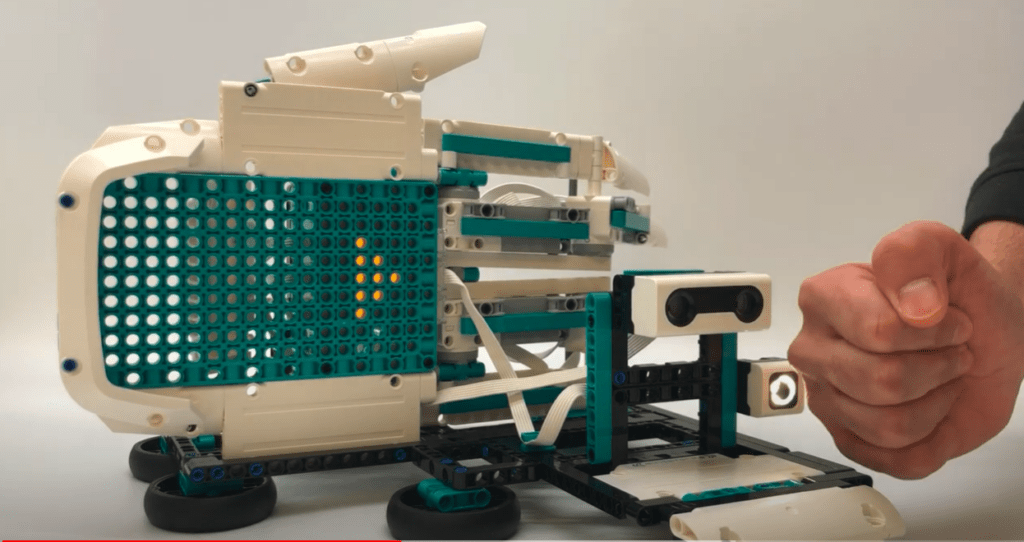
I am passionate about technology and robotics. Here in my own blog, I am always taking on new tasks. But I have hardly ever worked with image processing. However, a colleague’s LEGO® MINDSTORMS® robot, which can recognize the rock, paper or scissors gestures of a hand with several different sensors, gave me an idea: „The robot should be able to ’see‘.“ Until now, the respective gesture had to be made at a very specific point in front of the robot in order to be reliably recognized. Several sensors were needed for this, which made the system inflexible and dampened the joy of playing. Can image processing solve this task more „elegantly“?

Rock-Paper-Scissors with Robot Inventor by Seshan Brothers. The robot which inspired me for this project

From the idea to implementation

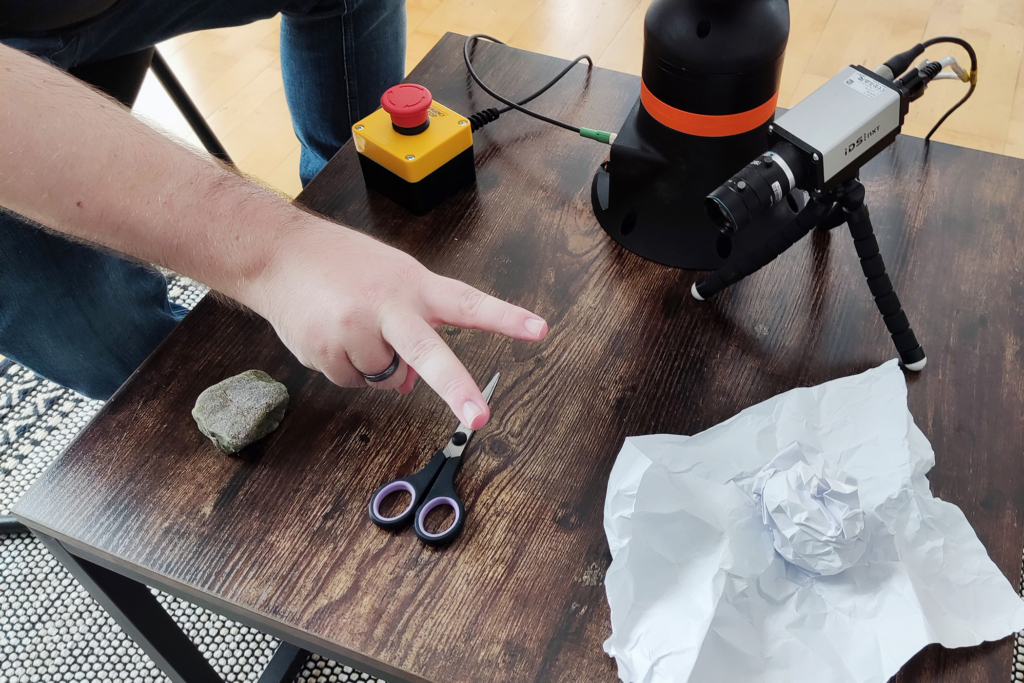
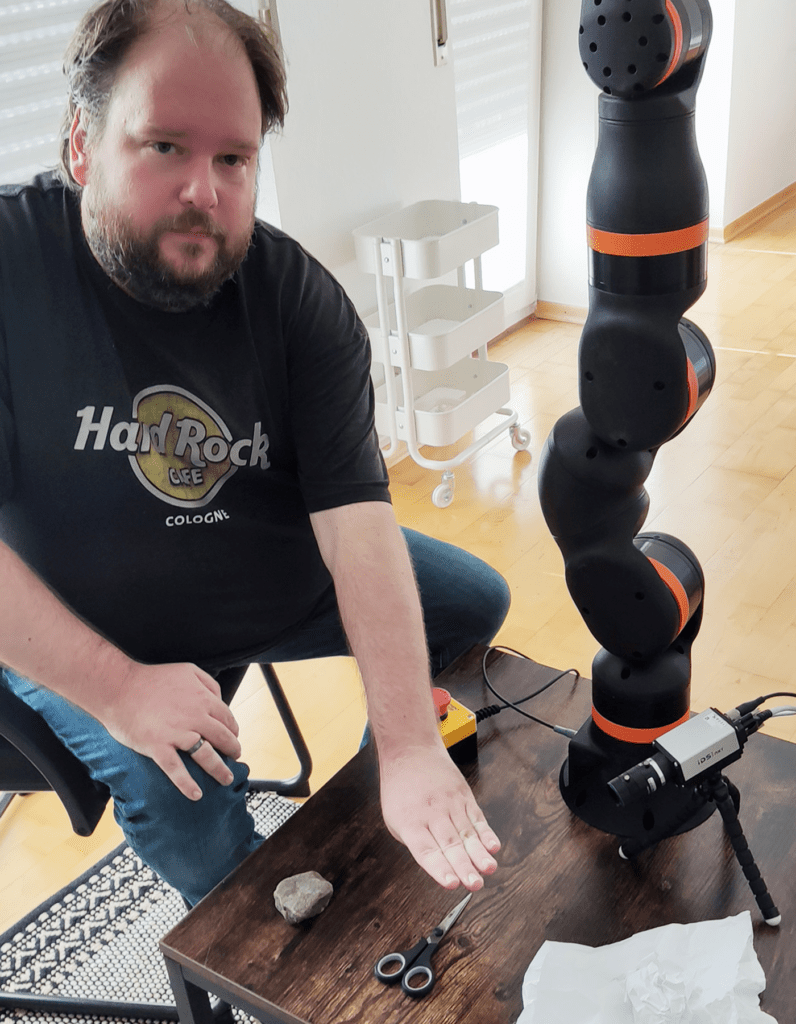
In my search for a suitable camera, I came across IDS NXT – a complete system for the use of intelligent image processing. It fulfilled all my requirements and, thanks to artificial intelligence, much more besides pure gesture recognition. My interest was woken. Especially because the evaluation of the images and the communication of the results took place directly on or through the camera – without an additional PC! In addition, the IDS NXT Experience Kit came with all the components needed to start using the application immediately – without any prior knowledge of AI.

I took the idea further and began to develop a robot that would play the game „Rock, Paper, Scissors“ in the future – with a process similar to that in the classical sense: The (human) player is asked to perform one of the familiar gestures (scissors, stone, paper) in front of the camera. The virtual opponent has already randomly determined his gesture at this point. The move is evaluated in real time and the winner is displayed.

The first step: Gesture recognition by means of image processing

But until then, some intermediate steps were necessary. I began by implementing gesture recognition using image processing – new territory for me as a robotics fan. However, with the help of IDS lighthouse – a cloud-based AI vision studio – this was easier to realize than expected. Here, ideas evolve into complete applications. For this purpose, neural networks are trained by application images with the necessary product knowledge – such as in this case the individual gestures from different perspectives – and packaged into a suitable application workflow.

The training process was super easy, and I just used IDS Lighthouse’s step-by-step wizard after taking several hundred pictures of my hands using rock, scissor, or paper gestures from different angles against different backgrounds. The first trained AI was able to reliably recognize the gestures directly. This works for both left- and right-handers with a recognition rate of approx. 95%. Probabilities are returned for the labels „Rock“, „Paper“, „Scissor“, or „Nothing“. A satisfactory result. But what happens now with the data obtained?

Further processing

The further processing of the recognized gestures could be done by means of a specially created vision app. For this, the captured image of the respective gesture – after evaluation by the AI – must be passed on to the app. The latter „knows“ the rules of the game and can thus decide which gesture beats another. It then determines the winner. In the first stage of development, the app will also simulate the opponent. All this is currently in the making and will be implemented in the next step to become a „Rock, Paper, Scissors“-playing robot.

From play to everyday use

At first, the project is more of a gimmick. But what could come out of it? A gambling machine? Or maybe even an AI-based sign language translator?

To be continued…

Qviro Helps Robotics Buyers Make Transparent Choices with Biggest Marketplace

Qviro Revolutionizes Robotics Buying Experience

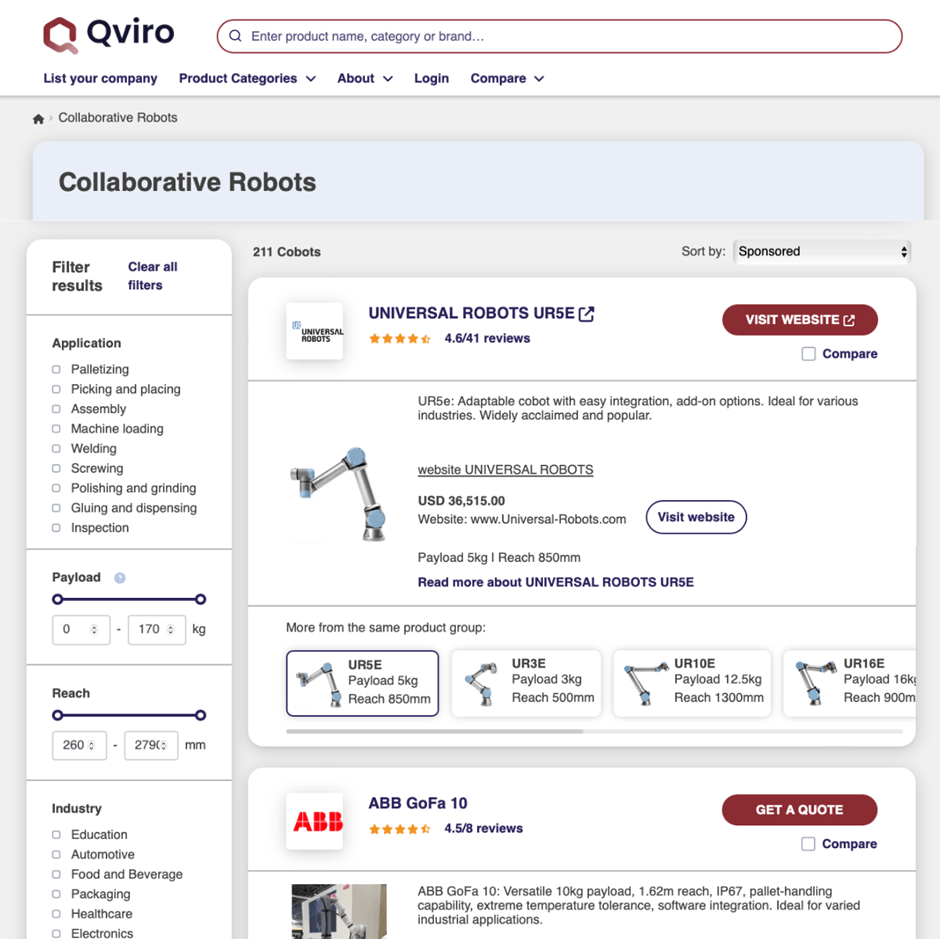
Qviro, one of the leading robotics platforms, introduces a groundbreaking marketplace, offering unparalleled transparency and choice. Users can effortlessly compare the full robotics market and access a vast selection of 211 cobots

The platform ensures transparent pricing, allowing buyers access to all cobot prices on Qviro. For added assistance, it provides an average cobot price of €27,158. Additionally, Qviro includes 400+ user reviews for informed decisions.

In the cobot category, Universal Robots leads with a 4.6 rating from over 41 user reviews. Their products excel in ease of use and integration, favored by engineers and enthusiasts.

For budget-conscious buyers, Elephant Robotics and Wlkata offer educational robots starting at $599. They provide cost-effective solutions for educational and hobbyist projects. Find Elephant Robotics‘ products at Elephant Robotics Products and Wlkata’s at Wlkata Products.

Sven De Donder, Co-CEO of Qviro, said, „Our user base in Europe and North America is growing exponentially due to unmatched transparency.“

Qviro transforms the robotics buying experience, offering an all-in-one solution for enthusiasts and professionals. With diverse options, transparent pricing, and a supportive user community, Qviro meets all your robotics needs.

About Qviro:

Qviro is a Belgium-based startup that is revolutionising the procurement process of industrial technology such as robots and machines through digitization. The company’s review platform, Qviro.com, provides factories and engineers with valuable insights and customer feedback to make confident purchasing decisions. At the same time, it offers vendors market intelligence and data to help them better understand their potential customers. As a SaaS platform, Qviro is dedicated to providing exceptional customer experiences and innovative solutions that drive growth and progress in the industry. To learn more about Qviro, visit www.Qviro.com.

Amazing Advancements in Soft Robotics

Soft robotics represents a groundbreaking advancement in the field, standing apart from the rigid structures people usually associate with traditional robotic systems. Learn more about recent advances in this field and the many benefits.

The Era of Soft Robots

Nature and biology heavily influence soft robots, giving them the flexibility and ability to adapt to their surroundings. For example, some commercially available soft robotic designs mimic fish, octopi and worms.

Innovative materials such as shape-memory alloys, dielectric elastomers and liquid crystal elastomers are critical to soft robotics. These materials change their properties in response to various stimuli. Grippers on soft robots, made of high-tech elastomers, mold to the target object’s shape. This flexibility ensures a gentler and more adaptable grip than rigid robots, making them ideal for tasks like fruit picking. 

Soft robots also use self-healing materials made from shape-memory alloys. These alloys allow the robots to repair themselves after damage, increasing their operational life span and reducing maintenance needs.

As technology progresses, scientists outfit soft robots with sensory systems, enhancing their ability to understand their surroundings. For example, soft pressure sensors can tell a robot if it’s gripping too hard. Some researchers are even developing soft robots capable of working in swarms, emulating the behavior of fish, bees and birds. 

3D printing, a form of advanced manufacturing, has revolutionized how scientists design and produce intricate soft robotic parts, driving innovation and accessibility in this sector. Some robots incorporate the strengths of both rigid and soft systems, resulting in hybrids that offer improved strength, precision and flexibility. Instead of traditional motors, there’s a growing trend towards fluidic actuation. Robots use liquids or air for movement, making their movements more natural. 

Soft Robotics in Medicine

Robotics is revolutionizing various aspects of modern medicine. In rehabilitation and physiotherapy, soft robotic exosuits or exoskeletons support patients recovering from strokes, spinal cord injuries or surgeries. These devices gently guide and assist patients, helping them regain motor functions, relearn movements and restore strength.

In assistive medical devices, soft wearable robots are emerging to help those with mobility issues. The Wyss Institute at Harvard University developed a soft, wearable robotic glove that assists individuals with hand disabilities in performing day-to-day activities. This glove, made from soft elastomers, can assist in gripping objects, potentially improving rehabilitation outcomes.

Scientists at the City University of Hong Kong developed a soft robot capable of maneuvering inside the stomach and intestine. The robot can change shape and size, facilitating better imaging and allowing localized drug delivery or biopsies.

A collaboration between Boston Children’s Hospital and Harvard University resulted in a soft robotic sleeve that surgeons can place around the heart. This device helps the heart pump more efficiently in patients with heart failure, providing a potential alternative to organ transplants.

In diagnostics, soft robots simplify procedures like endoscopy, making it less invasive and patient-friendly. Patients can now swallow endoscopy capsules equipped with a camera and a tissue collection mechanism to get the same results traditionally obtained by putting patients under general anesthesia. 

Research teams at institutes like the Sant’Anna School of Advanced Studies in Italy have been working on developing soft robotic arms that can assist surgeons. Due to their soft and pliant design, these arms can navigate the body with minimal risk of damaging tissues or organs.

Soft Robotics in Marine Conservation

Equipped with sensors, soft robots can monitor water quality, track marine species and evaluate the health of habitats over prolonged periods. Their non-intrusive nature and versatility enable them to probe areas inaccessible to traditional robots. MIT’s Computer Science and Artificial Intelligence Laboratory developed a soft robotic fish named „SoFi“ that can swim naturally in the ocean, recording close-up videos of marine life and providing insights without alarming or disturbing the aquatic life.

Soft robots also offer the potential for marine clean-up efforts, such as removing pollutants like microplastics and oil spills. The WasteShark, developed by RanMarine Technology, is an ASV designed to „eat“ or collect trash in harbors and other waters close to the shore. This drone skims the water’s surface, collecting waste in its path, thereby aiding in marine clean-up.

The Ocean Exploration Trust’s E/V Nautilus expeditions have been using ROVs to explore and map uncharted coral reefs, helping scientists understand their structures, the species they harbor and their overall health. Similar soft robots can be deployed to plant sea grass and maintain coral reefs. 

ROVs like the Hercules, also from the E/V Nautilus expedition, have robotic arms that can collect geological and biological samples from the deep sea that can help scientists study ecosystems in abyssal regions, leading to new species discoveries and insights into deep-sea conservation needs.

The Challenges Ahead

Soft robotics faces challenges, but its vast potential is undeniable. A primary focus lies in developing innovative materials that combine durability, flexibility and responsiveness. While traditional actuators, like motors, aren’t suitable for soft robots, alternatives like pneumatic and hydraulic systems are on the rise, promising unparalleled autonomy.

Manufacturing these robots at scale is now more feasible due to advanced construction techniques and materials. Even as these robots retain flexibility, integrating crucial rigid components, like batteries, is becoming smoother. The scientific community aims to enhance the response times of soft actuation mechanisms to match or exceed traditional systems.

Safety remains a top priority in soft robotics, especially in applications involving humans or medical scenarios. Although the field recognizes the higher initial research and production costs, they believe ongoing advancements will reduce expenses. 

Guest article by Ellie Gabel. Ellie is a writer living in Raleigh, NC. She's passionate about keeping up with the latest innovations in tech and science. She also works as an associate editor for Revolutionized.

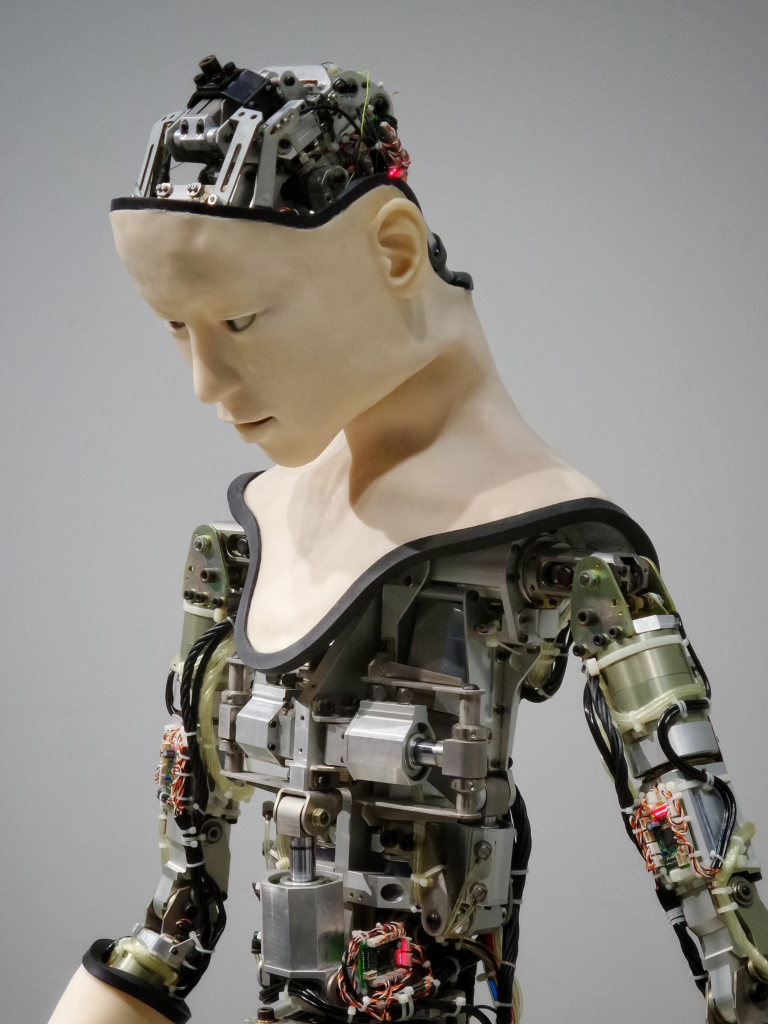
Are We Ready for Humanoid Robots?

With the development of AI, robots have become a lot smarter. A quick Google or Youtube search will reveal many cases of people using advanced robots. For example, videos of robots packing shelves in factories or, even more impressive, the Ocean One Robot, an advanced humanoid that explores shipwrecks and plane crashes. 

These videos make many wonder how far we are from using such robotics in everyday life. Learn what today’s robots are capable of, what potential challenges need to be solved and if humanoids are ready for daily life.

https://unsplash.com/de/fotos/jIBMSMs4_kA
HD-Foto von Possessed Photography (@possessedphotography) https://unsplash.com/

3 Humanoids Robots Helping Humans Today

One reason advanced humanoid robots are in demand is their ability to handle dangerous and repetitive operations. This frees up humans to focus on other essential, safer tasks. Current AI robots such as humanoids and cobots are already assisting humans by completing various tasks — bomb disposal, surgery, packing items in grocery stores, self-driving vehicles and much more. 

One industry that frequently utilizes AI robots is the manufacturing sector. They mostly complete repetitive assignments such as packing items, material handling, assembly and welding. This speeds up production time and allows humans to tackle more complex or demanding tasks. Here are three different humanoid robots helping people. 

  1. Digit

Agility Robotics has developed a humanoid robot well-suited for many tedious operations. The humanoid is called Digit and has fully functional limbs making it excellent at unloading packages from trailers and also delivering them. Digit is equipped with sensors in his torso to help him easily navigate complex environments. 

  1. Nadine

Nadine is a realistic-looking social humanoid robot with various facial expressions and movements. She was developed in Singapore by researchers from the Nanyang Technological University. Nadine can recognize different gestures, faces, objects and is able to perform various social tasks associated with customer service. 

  1. Promobot

Promobot is a humanoid that is suitable for many different service-oriented roles. In hotels, promobot can recognize guests, print receipts, issue keycards and check guests in. This humanoid is customizable and can even work as a medical assistant — measure blood oxygen and blood sugar levels.

Are Humanoids Ready for Daily Life?

Today’s humanoids are undoubtedly impressive, but AI robots have yet to reach the level of generative artificial intelligence — an advanced form of AI capable of holding detailed conversations when prompted. Many companies aim to combine generative AI with advanced robotics to make it more applicable for a wider variety of use cases. 

Since most AI machines are developed for the use of single tasks, they tend to struggle when taking on multiple operations simultaneously. In other words, they aren’t very good at multitasking. This complex aspect would need to be addressed for AI robots to become a reality in daily life. The most advanced form of AI robots available today are self-driving cars, which have a long way to go before they are truly self-driving. 

It is the same with humanoid robots. Although many of the AI robots available are amazing, it is clear there are still advancements needed, especially in the case of processing abilities. AI robots will need to understand a wide variety of interactions no matter how they are carried out — voice, keyboard commands, hand gestures and sometimes even facial expressions. 

For AI humanoids to be applicable in daily life, humans need a deeper understanding of how they operate — training might be required. 

Potential Challenges to Overcome With Future Humanoids

One of the biggest problems with AI humanoids today is their battery life. They can usually only work for an hour or two and then require charging. While the goal would be to use them for multiple hours on end, another approach might be to increase the battery life by a few hours and add fast charging. 

In terms of complex and challenging tasks, many humanoids and cobots are quite advanced and can solve them with relevant ease. However, this usually means they lack in other areas, such as movement. In most cases, the humanoid has advanced movement or impressive processing abilities, but not both. 

In addition, the technology today’s humanoids use will also need further improvements. Better censoring capabilities are necessary in terms of in-depth cameras, voice and visual sensors to make them more applicable in modern life. For humanoids to become more widely used, their movement and processing abilities require further refinement. 

Humanoids also need to operate safely and effectively while working with multiple humans at the same time. The robot will need to comprehend numerous interactions with different people simultaneously to react appropriately. The current training methods used with humanoids today are slow and would need further refinements to make them available for daily life. 

Humanoids Robots Still Have a Long Way to Go

The advance of technology and AI is astounding, especially when combined to create robots that assist humans with numerous tasks. However, there are still a few areas where humanoids need refinement to become suitable for everyday use. Undoubtedly, humans will benefit significantly from utilizing advanced AI robotics in their daily life, but for this to become a reality, humanoids still have a long way to go.

Guest article by Ellie Gabel. Ellie is a writer living in Raleigh, NC. She's passionate about keeping up with the latest innovations in tech and science. She also works as an associate editor for Revolutionized.