
On-demand robot delivery now available in Pleasanton, CA at Lucky California flagship store
SAN FRANCISCO (February, 2022) – Starship Technologies, the world’s leading provider of autonomous delivery services, is now delivering groceries in the San Francisco Bay Area. Starship is expanding its partnership with The Save Mart Companies for the exclusive launch of an on-demand grocery delivery service at its Lucky California flagship store in Pleasanton, CA. Lucky is the first grocery store in the San Francisco Bay Area to partner with Starship.
Starship and The Save Mart Companies first partnered in September 2020, when the Save Mart flagship store in Modesto became the first grocery store in the U.S. to offer Starship robot delivery service. Since its launch, that store has expanded its delivery area to serve over 55,000 households. In Pleasanton, the service is launching to thousands of residents, with the delivery area expected to grow rapidly in the coming months, similar to Modesto.

“We are very pleased to bring the benefits of autonomous delivery to Pleasanton, in partnership with Lucky California,” said Ryan Tuohy, SVP of Sales and Business Development at Starship Technologies. “Since launching our service in Modesto in 2020, we’ve been excited to see the extremely positive reaction to the robots and how they were embraced as part of the local community. We think the residents of Pleasanton will appreciate the convenience and positive environmental impact of autonomous delivery and we fully expect the service area to quickly expand to more households.”
The robots, each of which can carry up to 20 pounds of groceries – the equivalent of about three shopping bags – provide a convenient, energy-efficient, and low-cost delivery alternative to driving to the Lucky California store, allowing shoppers to browse thousands of items via the secure Starship app for on-demand delivery straight to their home.
The robots travel autonomously – crossing streets, climbing curbs and traversing sidewalks – to provide on-demand delivery to shoppers. They often become local celebrities as community members share their robot selfies and “love notes” on social media.
“Since the debut of our contactless delivery service at the Save Mart flagship store, feedback from the Modesto community has been incredibly positive,” said Barbara Walker, senior vice president and chief marketing officer for The Save Mart Companies. “We are thrilled to expand this service to Lucky California in Pleasanton and offer a safe and efficient grocery delivery solution, along with some joyful entertainment, especially as the service area progressively expands over time..”
The Starship Food Delivery app is available for download on iOS and Android. To get started, customers choose from a range of their favorite groceries and drop a pin where they want their delivery to be sent. When an order is submitted, Lucky California team members gather the delivery items and carefully place them in a clean robot. Every robot’s interior and exterior is sanitized before each order. The customer can then watch as the robot makes its journey to them, via an interactive map. Once the robot arrives, the customer receives an alert, and can then meet the robot and unlock it through the app.
Starship already offers its services in many parts of the EU, UK and the US in cities, university campuses and industrial campuses, with further expansion planned in the near future. Starship is able to do L4 deliveries everywhere it operates – entire cities and campuses. The robots have been operating at L4 since 2018. On a daily basis Starship robots will complete numerous deliveries in a row 100% autonomously, including road crossings. This is why the cost of a Starship delivery is now lower than the human equivalent, which is believed to be a world first for any robot delivery company, whereas most others are still majority human controlled and in pilot mode.
Starship Technologies operates commercially on a daily basis around the world. Its zero-emission robots make more than 100,000 road crossings every day and have completed more than 2.5 million commercial deliveries and travelled more than 3 million miles (5 million+ kms) globally, more than any other autonomous delivery provider.
All-in-one embedded vision platform with new tools and functions
(PresseBox) (Obersulm) At IDS, image processing with artificial intelligence does not just mean that AI runs directly on cameras and users also have enormous design options through vision apps. Rather, with the IDS NXT ocean embedded vision platform, customers receive all the necessary, coordinated tools and workflows to realise their own AI vision applications without prior knowledge and to run them directly on the IDS NXT industrial cameras. Now follows the next free software update for the AI package. In addition to the topic of user-friendliness, the focus is also on making artificial intelligence clear and comprehensible for the user.
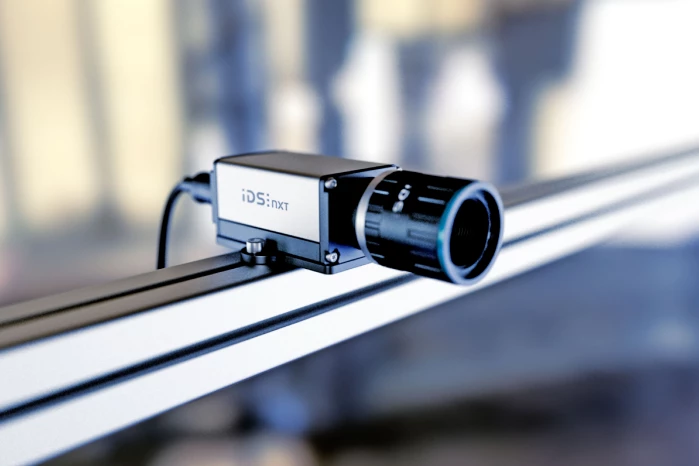
An all-in-one system such as IDS NXT ocean, which has integrated computing power and artificial intelligence thanks to the „deep ocean core“ developed by IDS, is ideally suited for entry into AI Vision. It requires no prior knowledge of deep learning or camera programming. The current software update makes setting up, deploying and controlling the intelligent cameras in the IDS NXT cockpit even easier. For this purpose, among other things, an ROI editor is integrated with which users can freely draw the image areas to be evaluated and configure, save and reuse them as custom grids with many parameters. In addition, the new tools Attention Maps and Confusion Matrix illustrate how the AI works in the cameras and what decisions it makes. This helps to clarify the process and enables the user to evaluate the quality of a trained neural network and to improve it through targeted retraining. Data security also plays an important role in the industrial use of artificial intelligence. As of the current update, communication between IDS NXT cameras and system components can therefore be encrypted via HTTPS.
Just get started with the IDS NXT ocean Creative Kit
Anyone who wants to test the industrial-grade embedded vision platform IDS NXT ocean and evaluate its potential for their own applications should take a look at the IDS NXT ocean Creative Kit. It provides customers with all the components they need to create, train and run a neural network. In addition to an IDS NXT industrial camera with 1.6 MP Sony sensor, lens, cable and tripod adapter, the package includes six months‘ access to the AI training software IDS NXT lighthouse. Currently, IDS is offering the set in a special promotion at particularly favourable conditions. Promotion page: https://en.ids-imaging.com/ids-nxt-ocean-creative-kit.html.
Learn more: www.ids-nxt.com
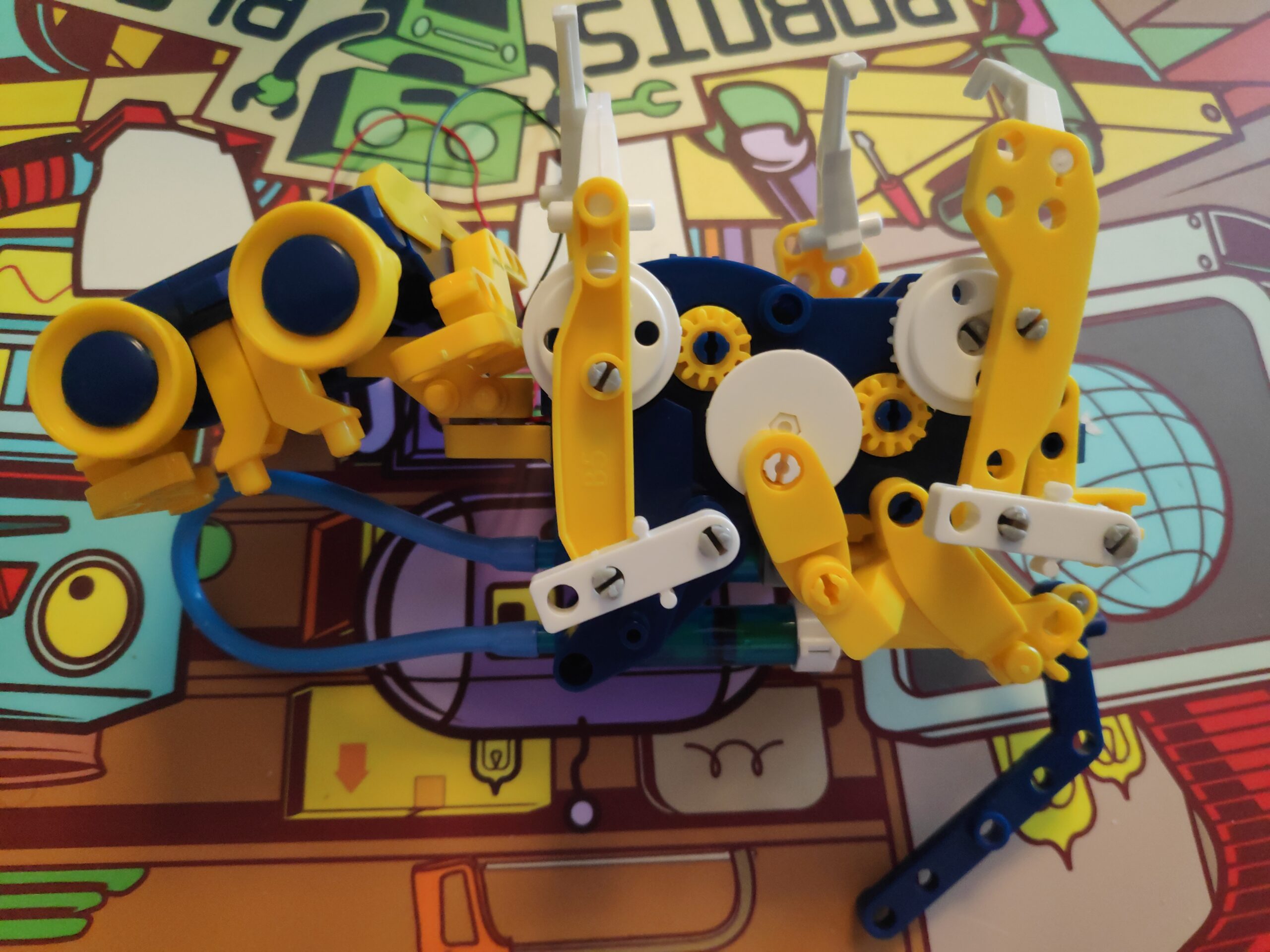
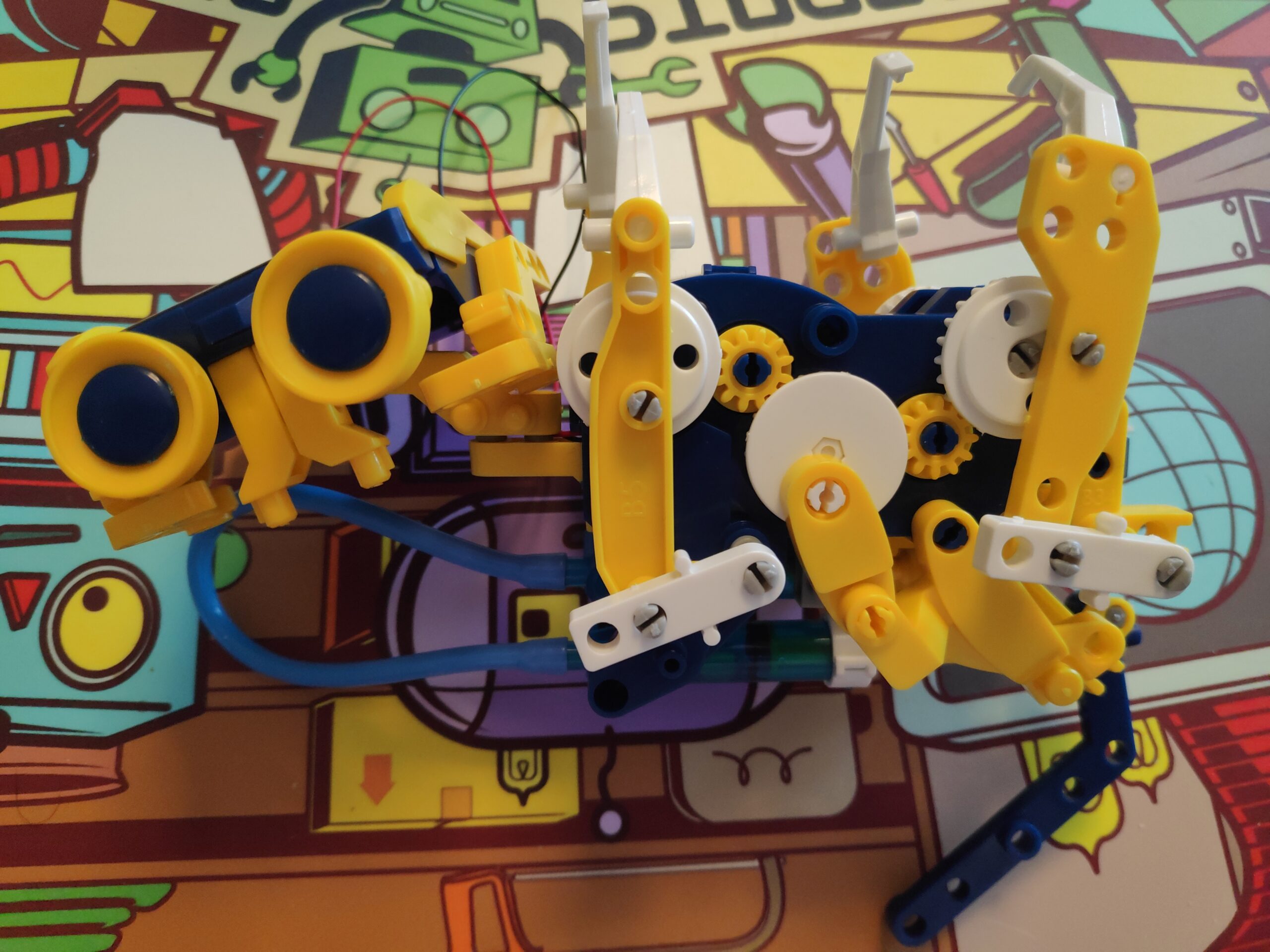
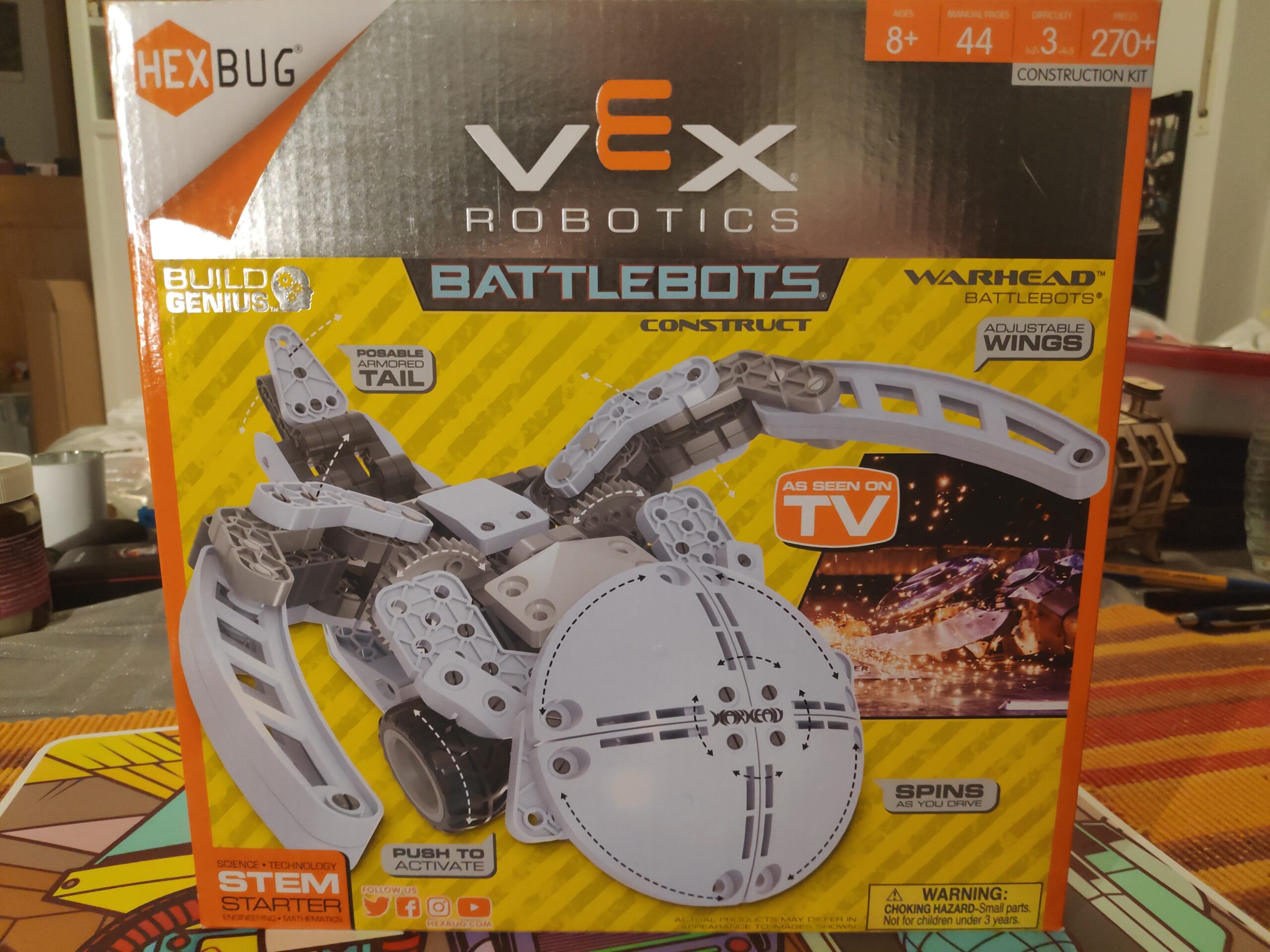
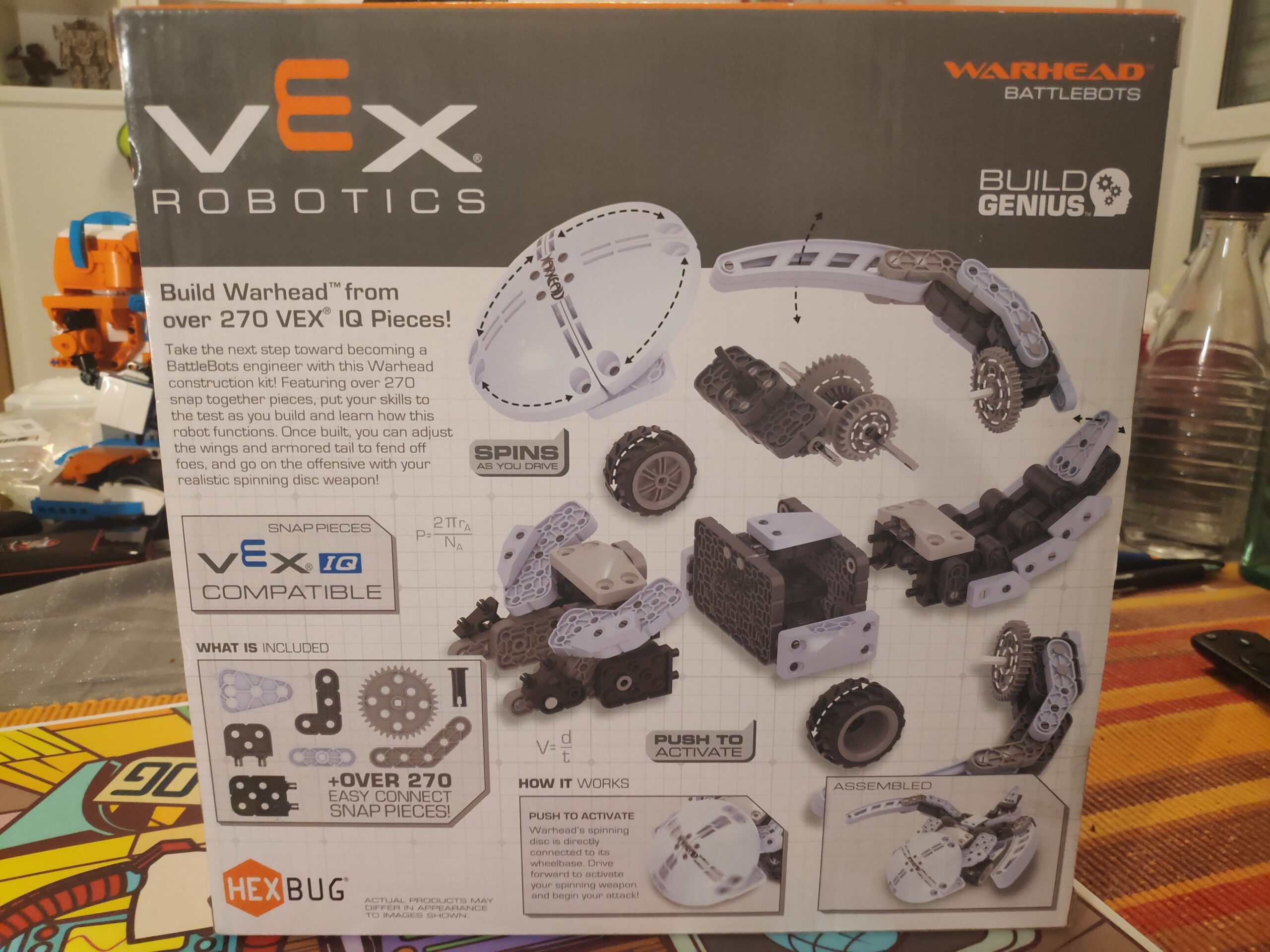
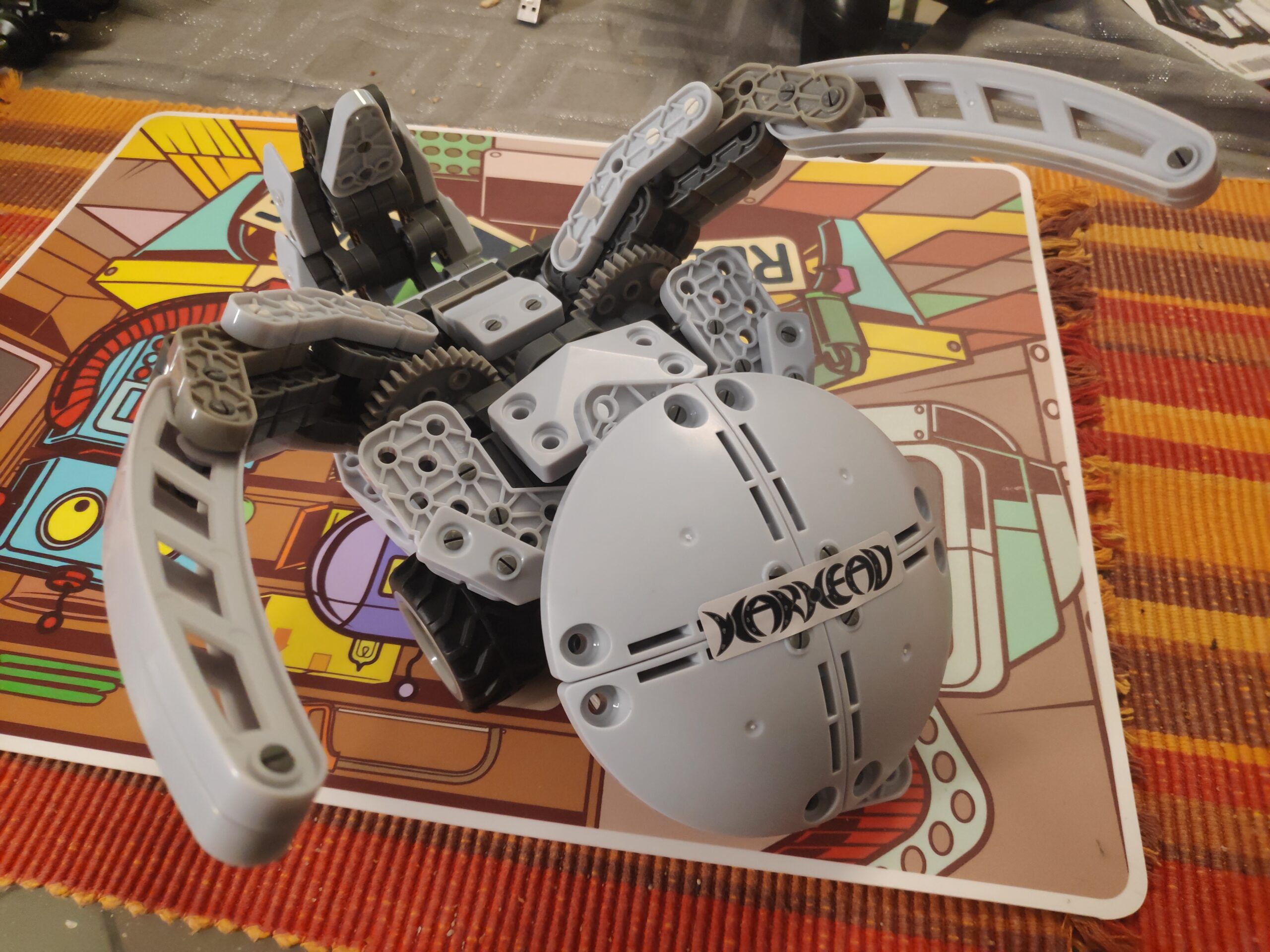
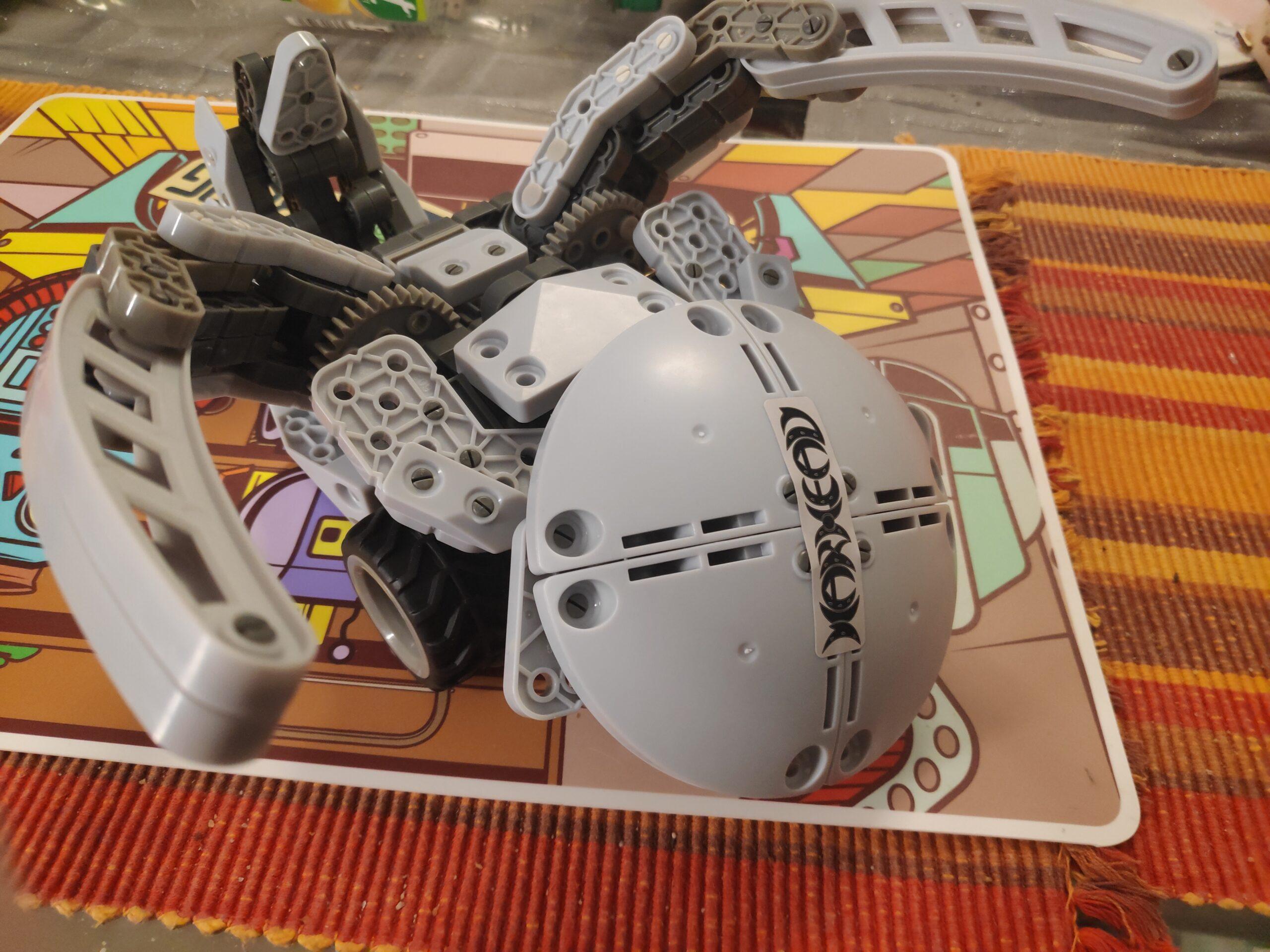
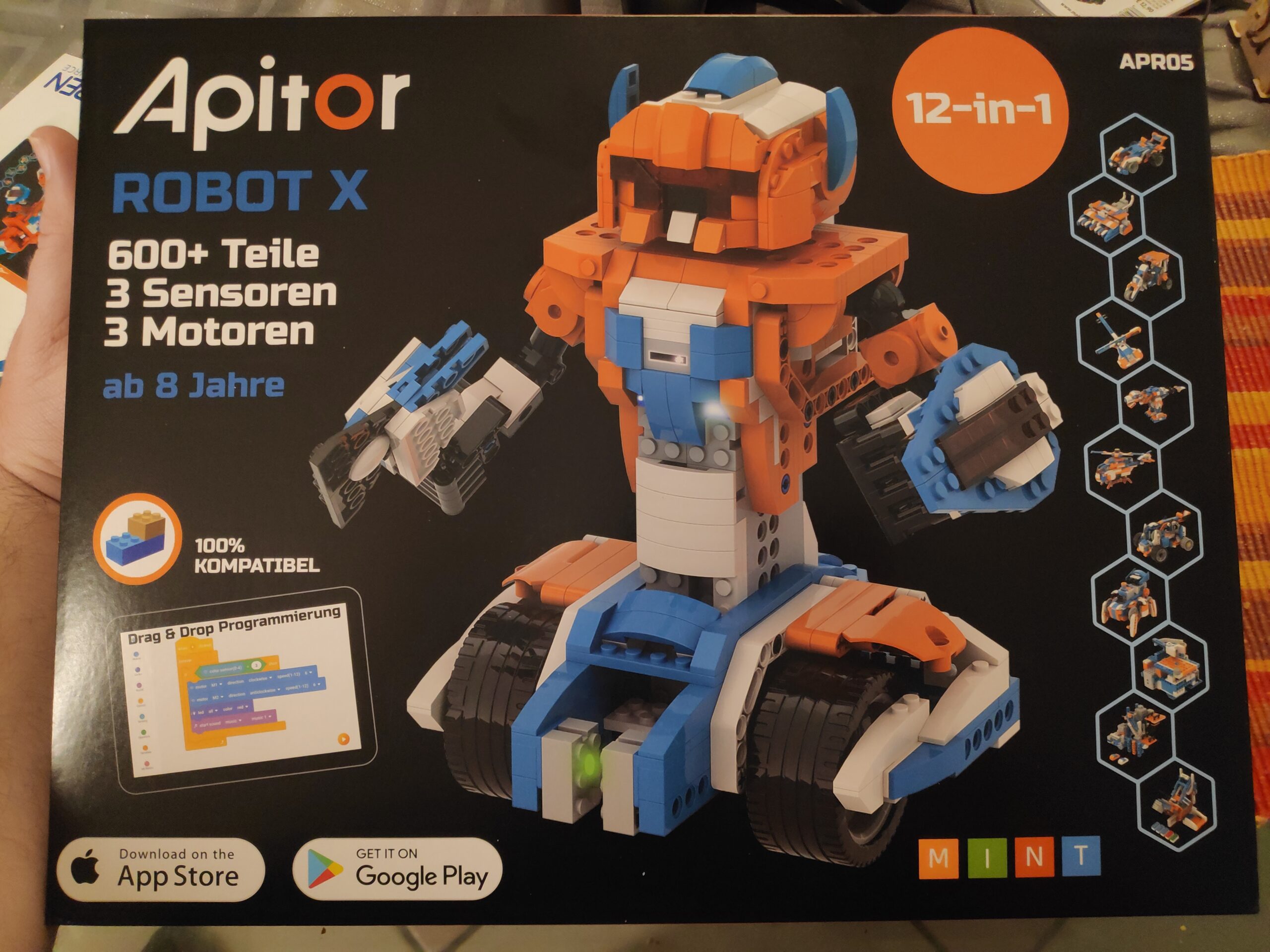
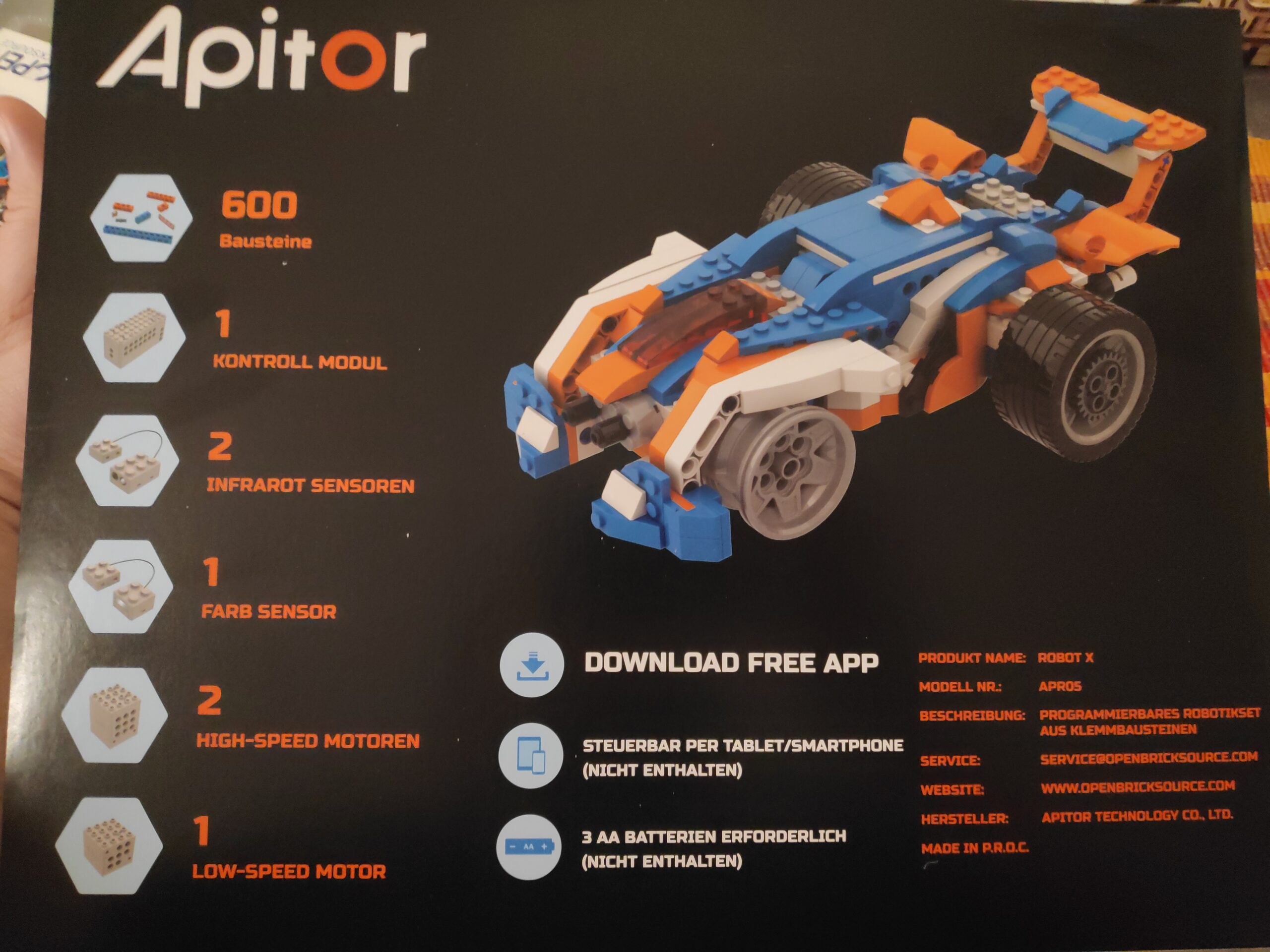
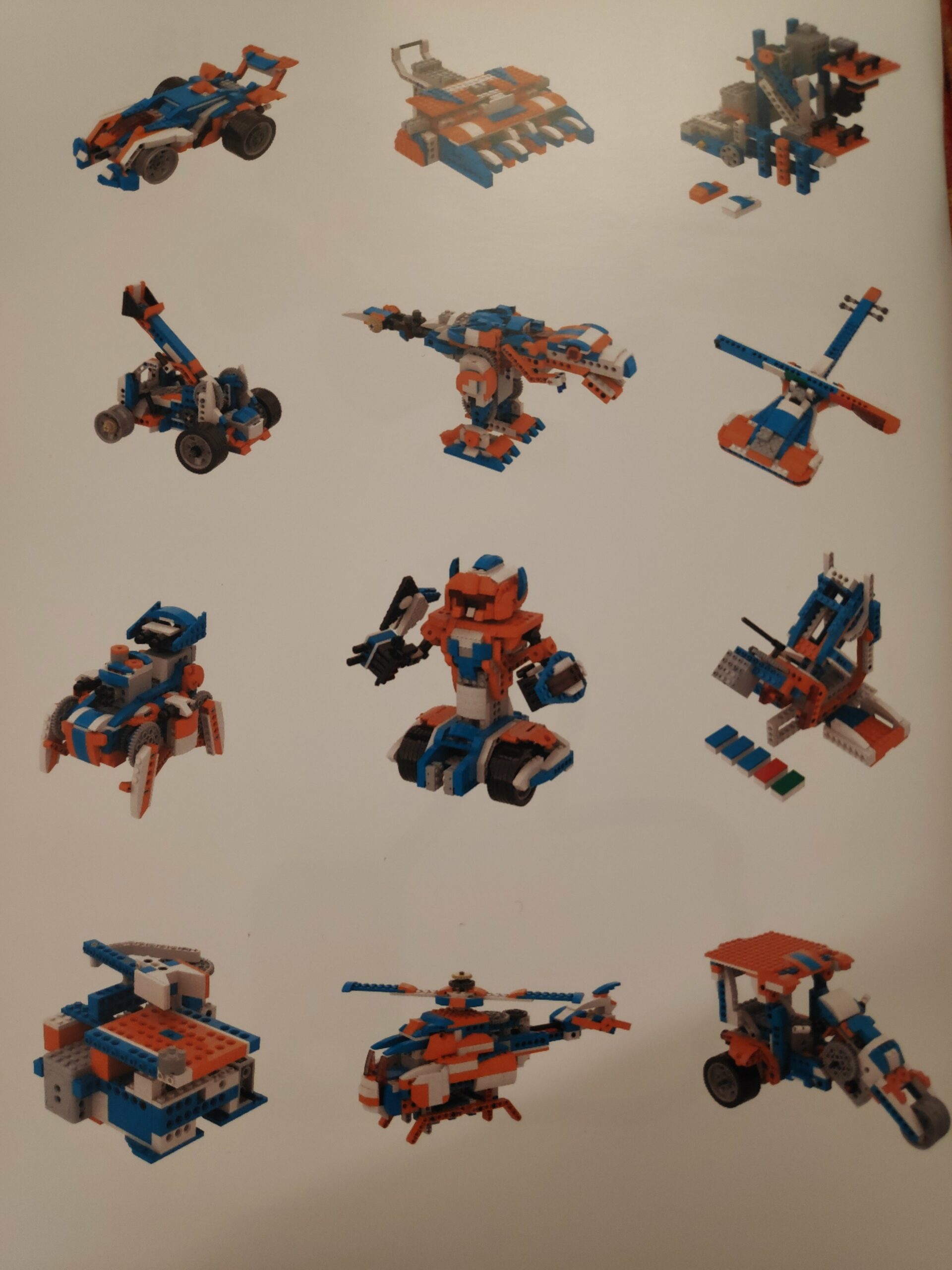
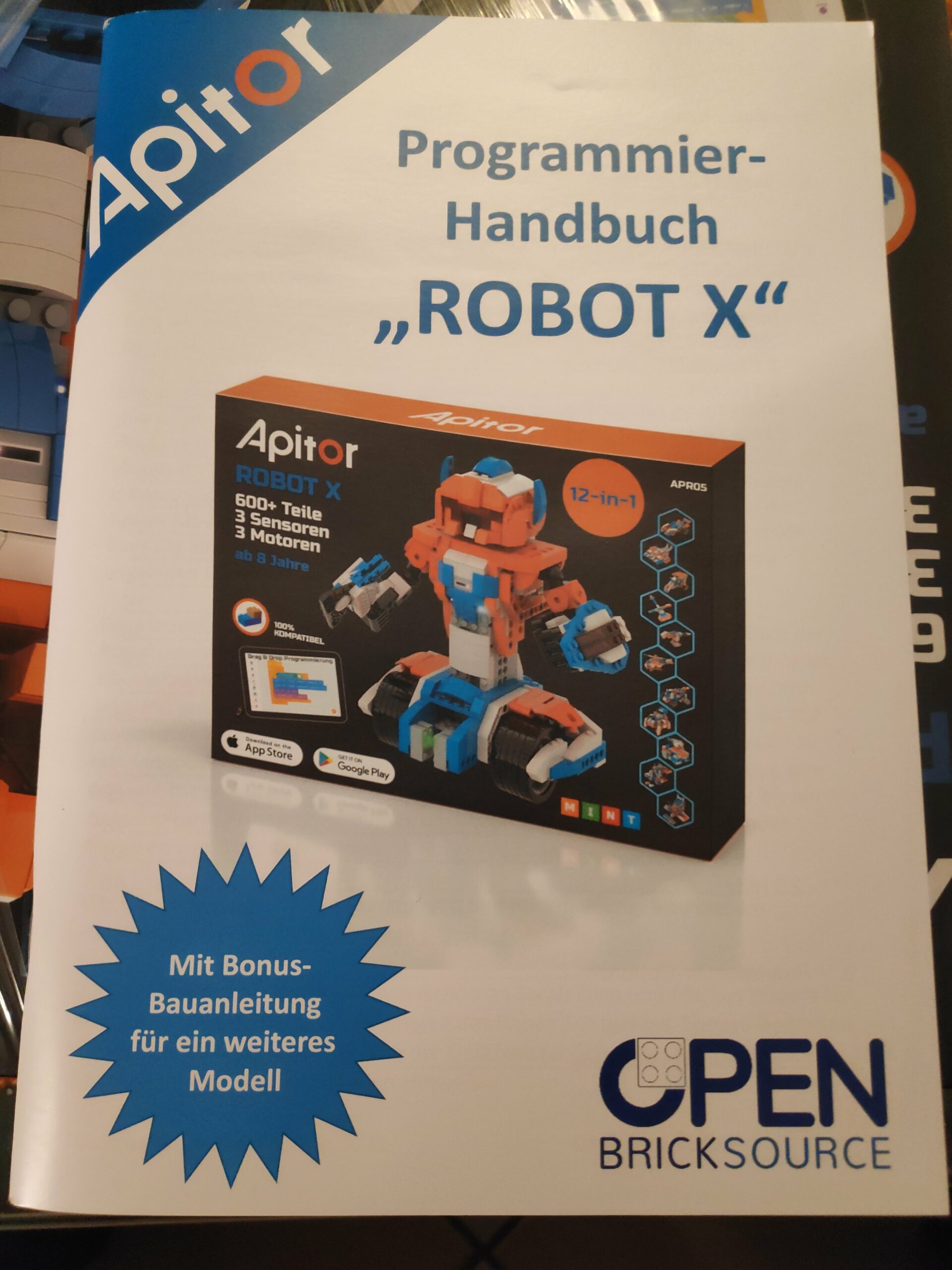
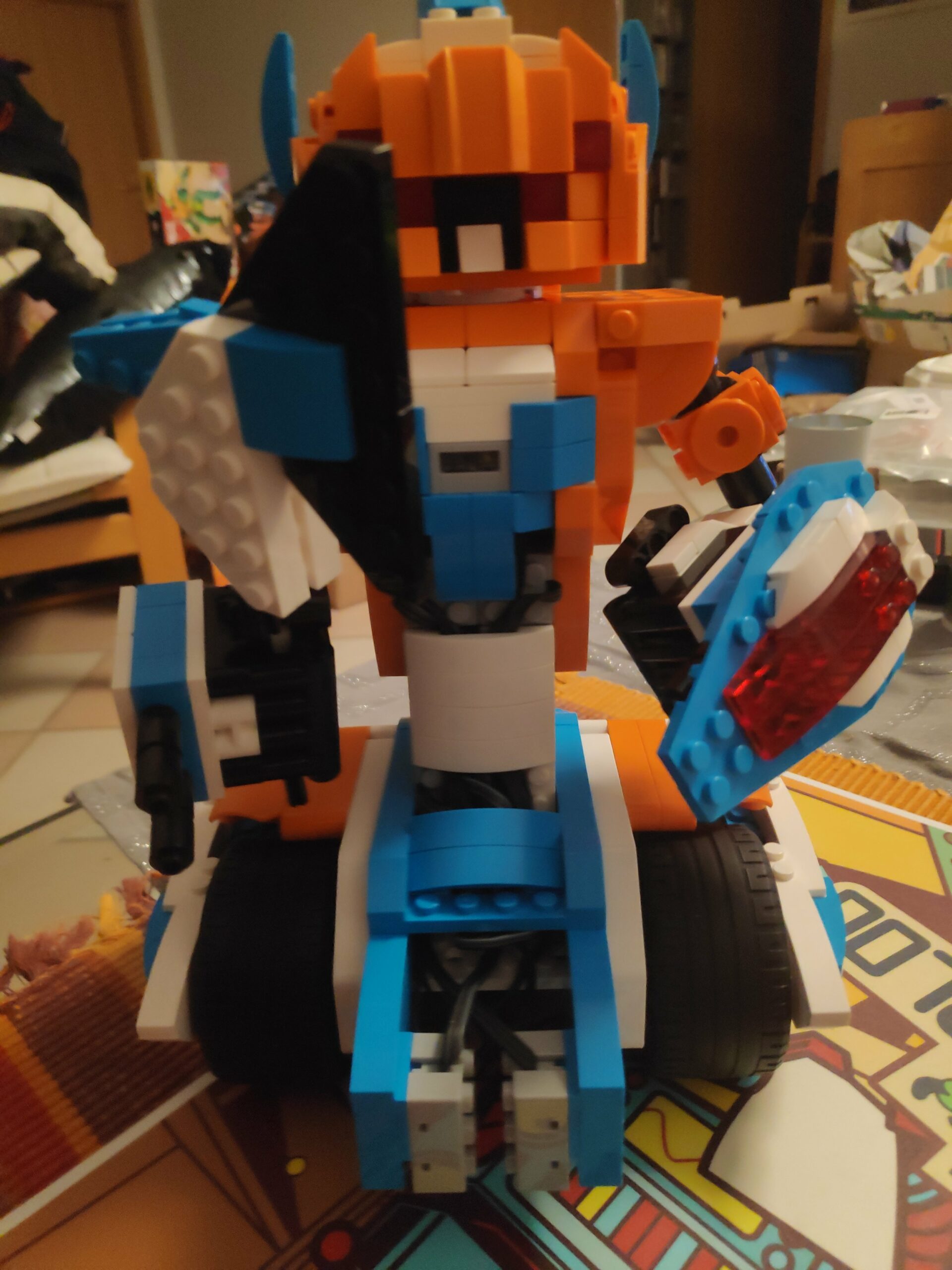

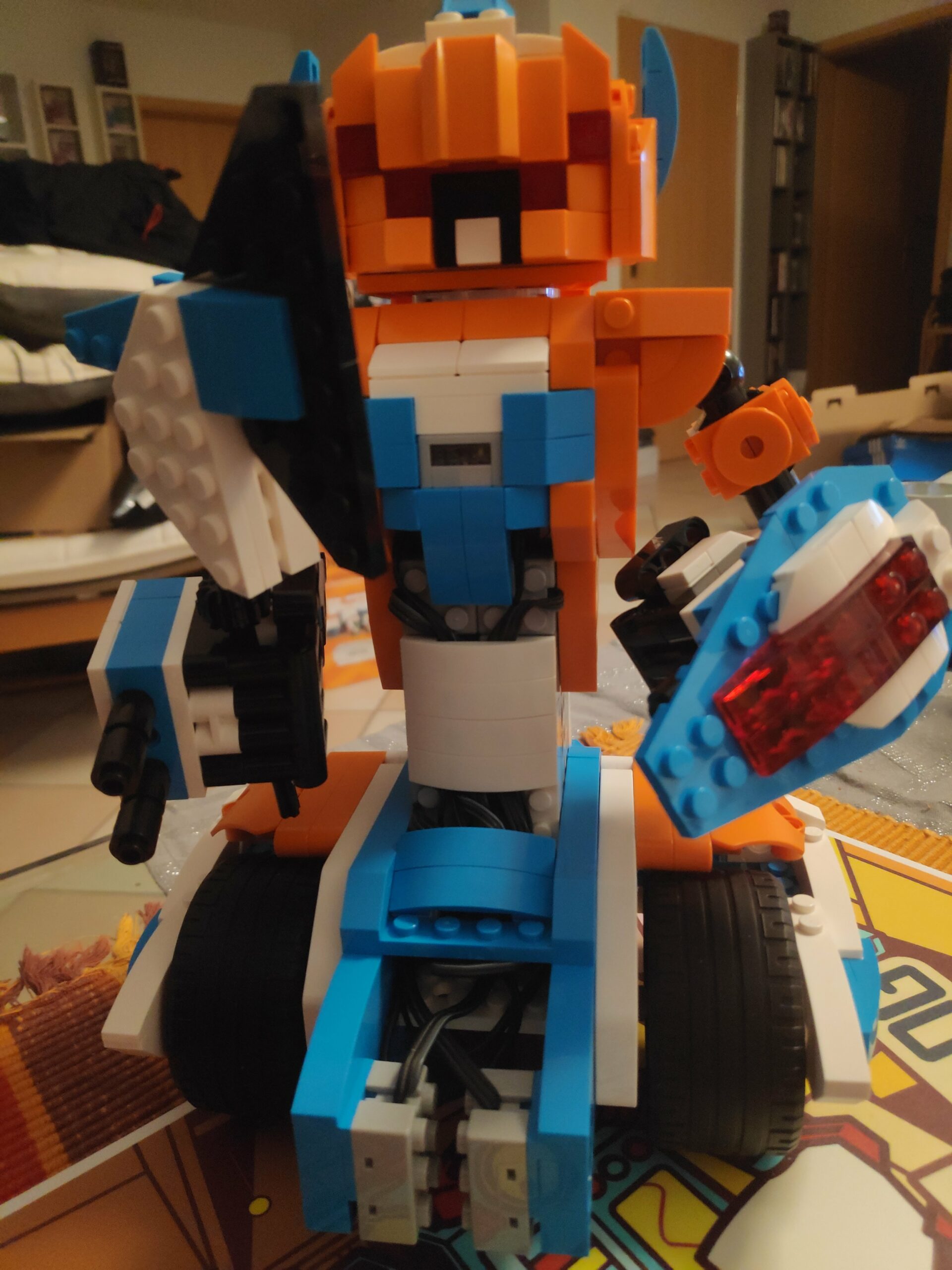
Hiwonder uHand Unboxing: uHand2.0: Hiwonder Bionic Robot Somatosensory Open-source Compatible with Arduino/ STM32 Programming. Find the latest News on robots drones AI robotic toys and gadgets at robots-blog.com. Follow us on our Blog Instagram Facebook Twitter or our other sites. Share your robotics ideas and products with us. #robots #robot #omgrobots #roboter #robotic #mycollection #collector #robotsblog #collection #botsofinstagram #bot #robotics #robotik #gadget #gadgets #toy #toys #drone #robotsofinstagram #instabots #photooftheday #picoftheday #followforfollow #instadaily #hiwonder #uhand #arduino #stm32
Guest post by IDS Corporate Communications
Autonomously driving robotic assistance system for the automated placement of coil creels
Due to the industry standard 4.0, digitalisation, automation and networking of systems and facilities are becoming the predominant topics in production and thus also in logistics. Industry 4.0 pursues the increasing optimisation of processes and workflows in favour of productivity and flexibility and thus the saving of time and costs. Robotic systems have become the driving force for automating processes. Through the Internet of Things (IoT), robots are becoming increasingly sensitive, autonomous, mobile and easier to operate. More and more they are becoming an everyday helper in factories and warehouses. Intelligent imaging techniques are playing an increasingly important role in this.
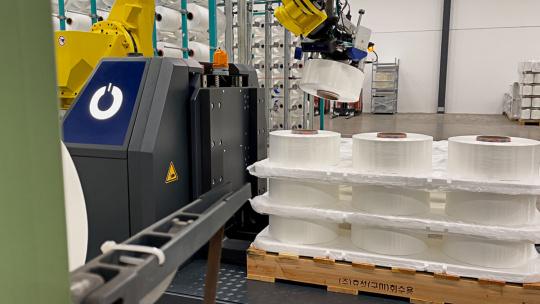
To meet the growing demands in scaling and changing production environments towards fully automated and intelligently networked production, the company ONTEC Automation GmbH from Naila in Bavaria has developed an autonomously driving robotic assistance system. The „Smart Robot Assistant“ uses the synergies of mobility and automation: it consists of a powerful and efficient intralogistics platform, a flexible robot arm and a robust 3D stereo camera system from the Ensenso N series by IDS Imaging Development Systems GmbH.
The solution is versatile and takes over monotonous, weighty set-up and placement tasks, for example. The autonomous transport system is suitable for floor-level lifting of Euro pallets up to container or industrial format as well as mesh pallets in various sizes with a maximum load of up to 1,200 kilograms. For a customer in the textile industry, the AGV (Automated Guided Vehicle) is used for the automated loading of coil creels. For this purpose, it picks up pallets with yarn spools, transports them to the designated creel and loads it for further processing. Using a specially developed gripper system, up to 1000 yarn packages per 8-hour shift are picked up and pushed onto a mandrel of the creel. The sizing scheme and the position of the coils are captured by an Ensenso 3D camera (N45 series) installed on the gripper arm.
Pallets loaded with industrial yarn spools are picked up from the floor of a predefined storage place and transported to the creel location. There, the gripper positions itself vertically above the pallet. An image trigger is sent to the Ensenso 3D camera from the N45 series, triggered by the in-house software ONTEC SPSComm. It networks with the vehicle’s PLC and can thus read out and pass on data. In the application, SPSComm controls the communication between the software parts of the vehicle, gripper and camera. This way, the camera knows when the vehicle and the grabber are in position to take a picture. This takes an image and passes on a point cloud to a software solution from ONTEC based on the standard HALCON software, which reports the coordinates of the coils on the pallet to the robot. The robot can then accurately pick up the coils and process them further. As soon as the gripper has cleared a layer of the yarn spools, the Ensenso camera takes a picture of the packaging material lying between the yarn spools and provides point clouds of this as well. These point clouds are processed similarly to provide the robot with the information with which a needle gripper removes the intermediate layers. „This approach means that the number of layers and finishing patterns of the pallets do not have to be defined in advance and even incomplete pallets can be processed without any problems,“ explains Tim Böckel, software developer at ONTEC. „The gripper does not have to be converted for the use of the needle gripper. For this application, it has a normal gripping component for the coils and a needle gripping component for the intermediate layers.“
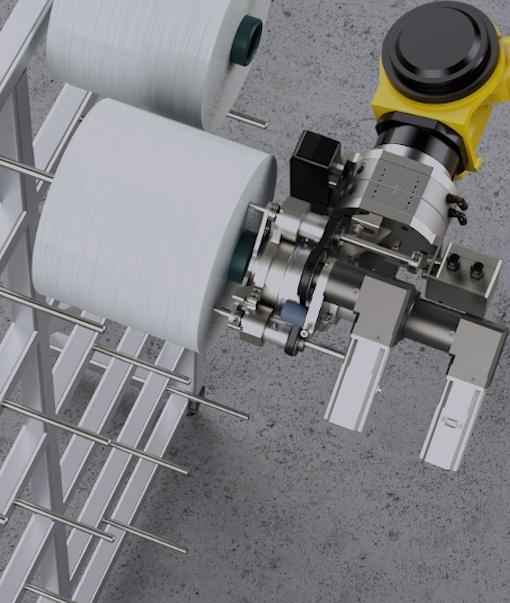
For this task, the mobile use for 3D acquisition of moving and static objects on the robot arm, the Ensenso 3D camera is suitable due to its compact design. The Ensenso N 45’s 3D stereo electronics are completely decoupled from the housing, allowing the use of a lightweight plastic composite as the housing material. The low weight facilitates the use on robot arms such as the Smart Robotic Asstistant. The camera can also cope with demanding environmental conditions. „Challenges with this application can be found primarily in the different lighting conditions that are evident in different rooms of the hall and at different times of the day,“ Tim Böckel describes the situation. Even in difficult lighting conditions, the integrated projector projects a high-contrast texture onto the object to be imaged by means of a pattern mask with a random dot pattern, thus supplementing the structures on featureless homogenous surfaces. This means that the integrated camera meets the requirements exactly. „By pre-configuring within NxView, the task was solved well.“ This sample programme with source code demonstrates the main functions of the NxLib library, which can be used to open one or more stereo and colour cameras whose image and depth data are visualised. Parameters such as exposure time, binning, AOI and depth measuring range can – as in this case – be adjusted live for the matching method used.
The matching process empowers the Ensenso 3D camera to recognise a very high number of pixels, including their position change, by means of the auxiliary structures projected onto the surface and to create complete, homogeneous depth information of the scene from this. This in turn ensures the necessary precision with which the Smart Robot Assistant proceeds. Other selection criteria for the camera were, among others, the standard vision interface Gigabit Ethernet and the global shutter 1.3 MP sensor. „The camera only takes one image pair of the entire pallet in favour of a faster throughput time, but it has to provide the coordinates from a relatively large distance with an accuracy in the millimetre range to enable the robot arm to grip precisely,“ explains Matthias Hofmann, IT specialist for application development at ONTEC. „We therefore need the high resolution of the camera to be able to safely record the edges of the coils with the 3D camera.“ The localisation of the edges is important in order to be able to pass on as accurate as possible the position from the centre of the spool to the gripper.
Furthermore, the camera is specially designed for use in harsh environmental conditions. It has a screwable GPIO connector for trigger and flash and is IP65/67 protected against dirt, dust, splash water or cleaning agents.
The Ensenso SDK enables hand-eye calibration of the camera to the robot arm, allowing easy translation or displacement of coordinates using the robot pose. In addition, by using the internal camera settings, a „FileCam“ of the current situation is recorded at each pass, i.e. at each image trigger. This makes it possible to easily adjust any edge cases later on, in this application for example unexpected lighting conditions, obstacles in the image or also an unexpected positioning of the coils in the image. The Ensenso SDK also allows the internal camera LOG files to be stored and archived for possible evaluation.
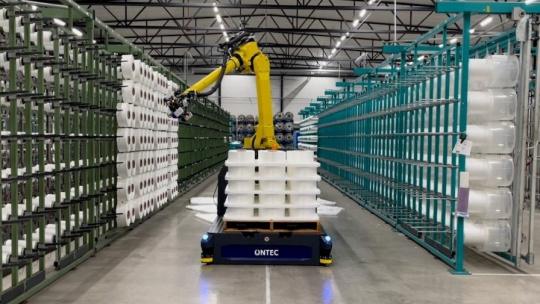
ONTEC also uses these „FileCams“ to automatically check test cases and thus ensure the correct functioning of all arrangements when making adjustments to the vision software. In addition, various vehicles can be coordinated and logistical bottlenecks minimised on the basis of the control system specially developed by ONTEC. Different assistants can be navigated and act simultaneously in a very confined space. By using the industrial interface tool ONTEC SPSComm, even standard industrial robots can be safely integrated into the overall application and data can be exchanged between the different systems.
Further development of the system is planned, among other things, in terms of navigation of the autonomous vehicle. „With regard to vehicle navigation for our AGV, the use of IDS cameras is very interesting. We are currently evaluating the use of the new Ensenso S series to enable the vehicle to react even more flexibly to obstacles, for example, classify them and possibly even drive around them,“ says Tim Böckel, software developer at ONTEC, outlining the next development step.
ONTEC’s own interface configuration already enables the system to be integrated into a wide variety of Industry 4.0 applications, while the modular structure of the autonomously moving robot solution leaves room for adaptation to a wide variety of tasks. In this way, it not only serves to increase efficiency and flexibility in production and logistics, but in many places also literally contributes to relieving the workload of employees.
More at: https://en.ids-imaging.com/casestudies-detail/picked-up-and-put-off-ensenso.html
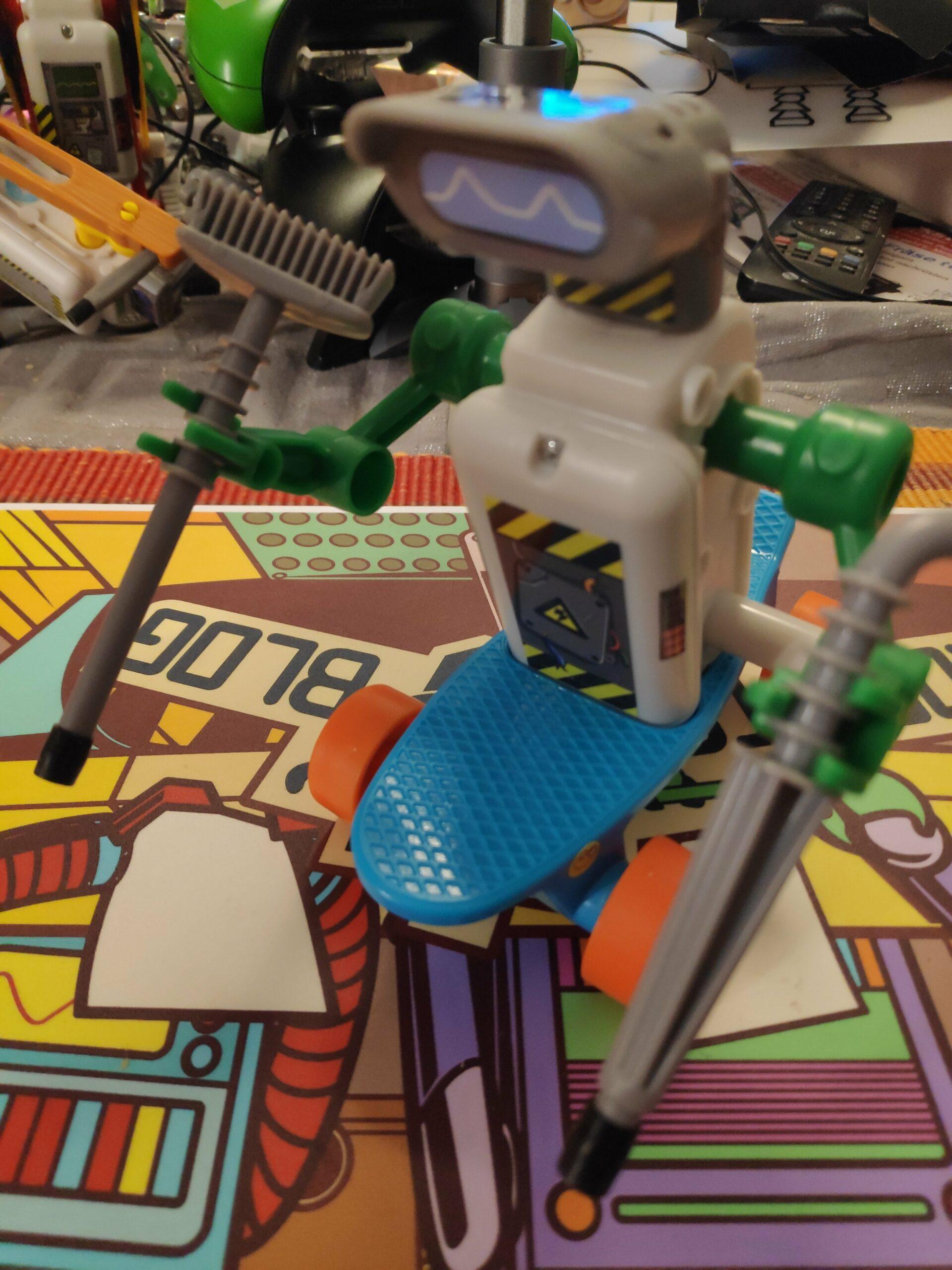
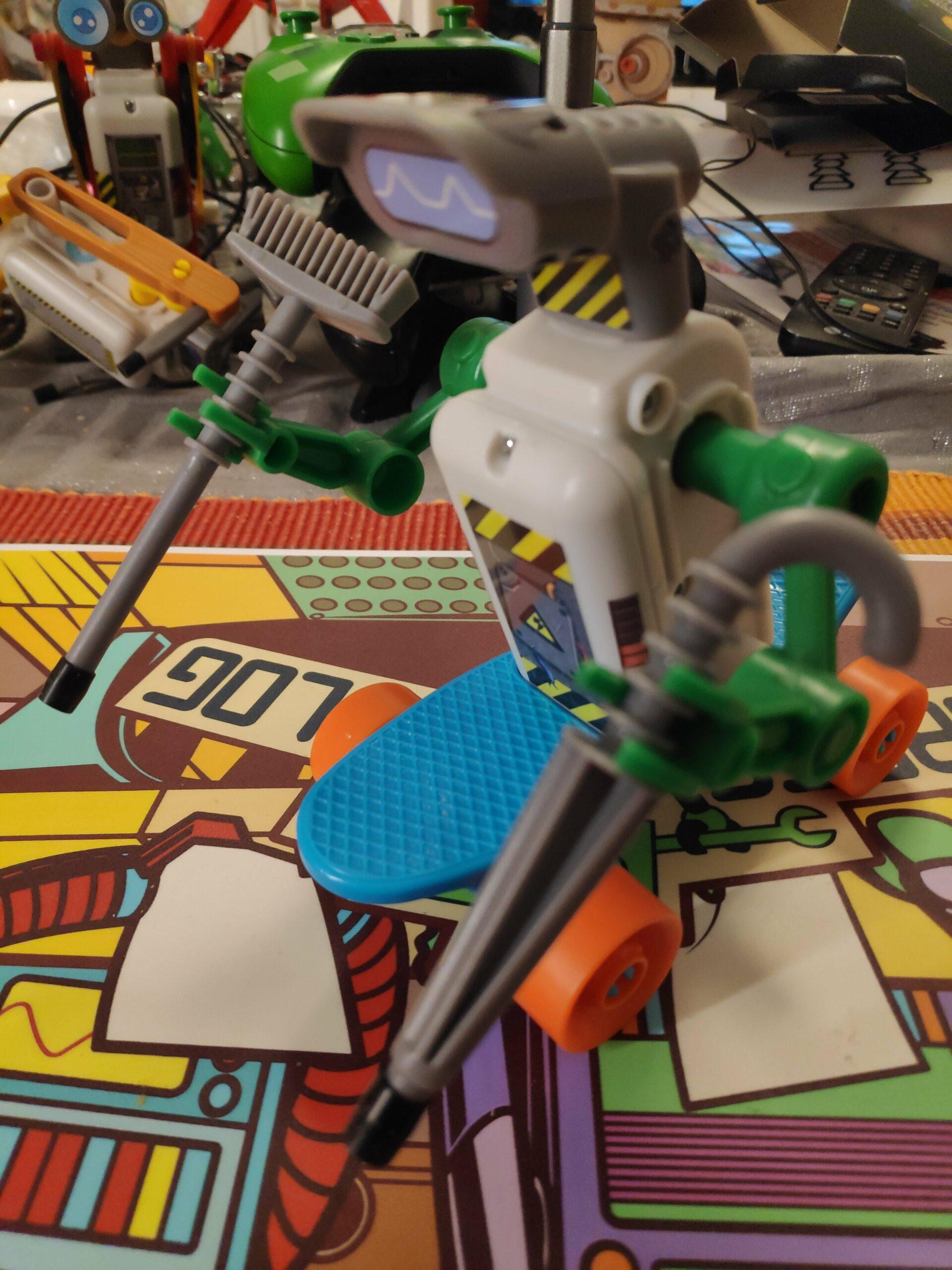
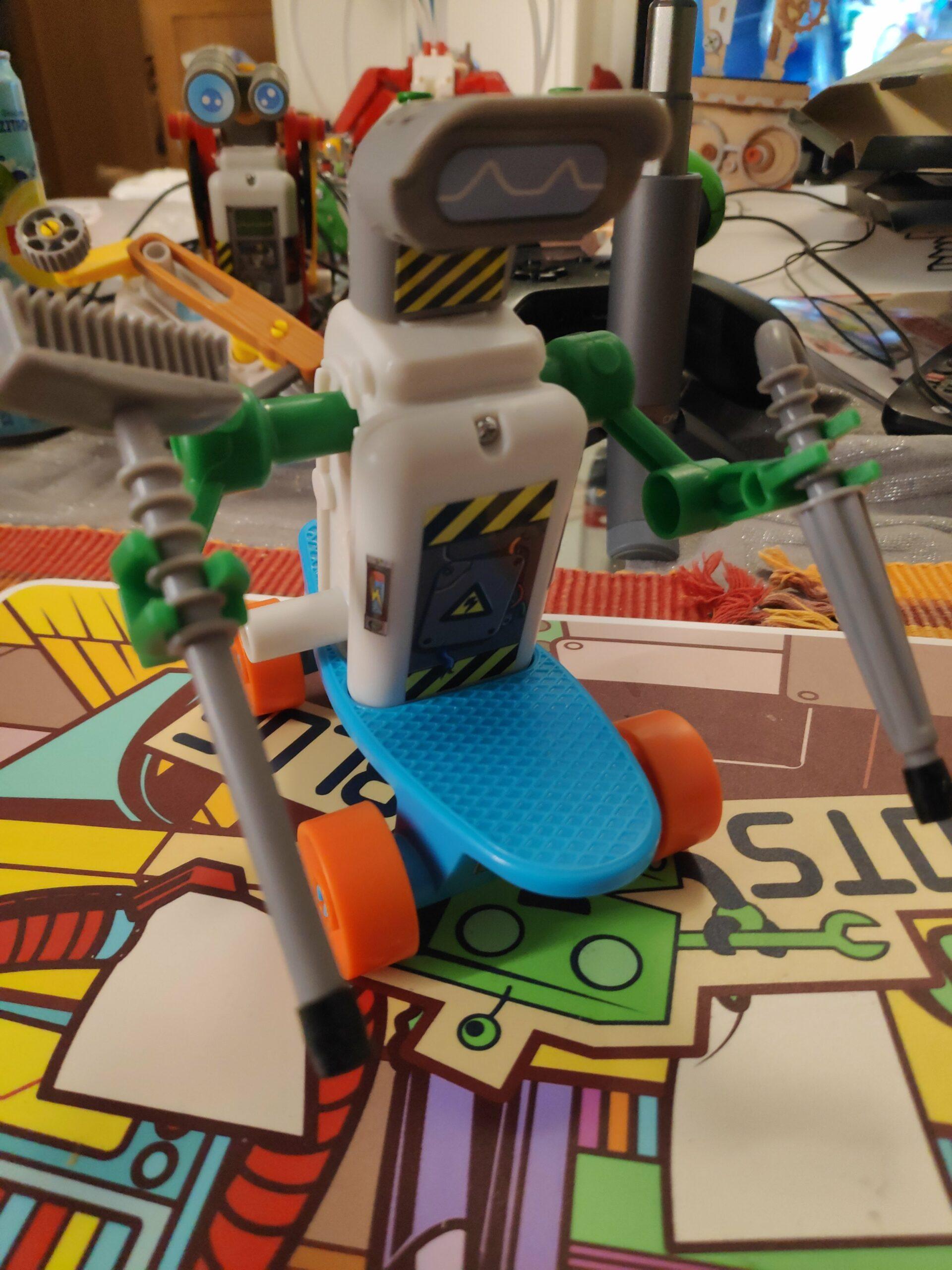
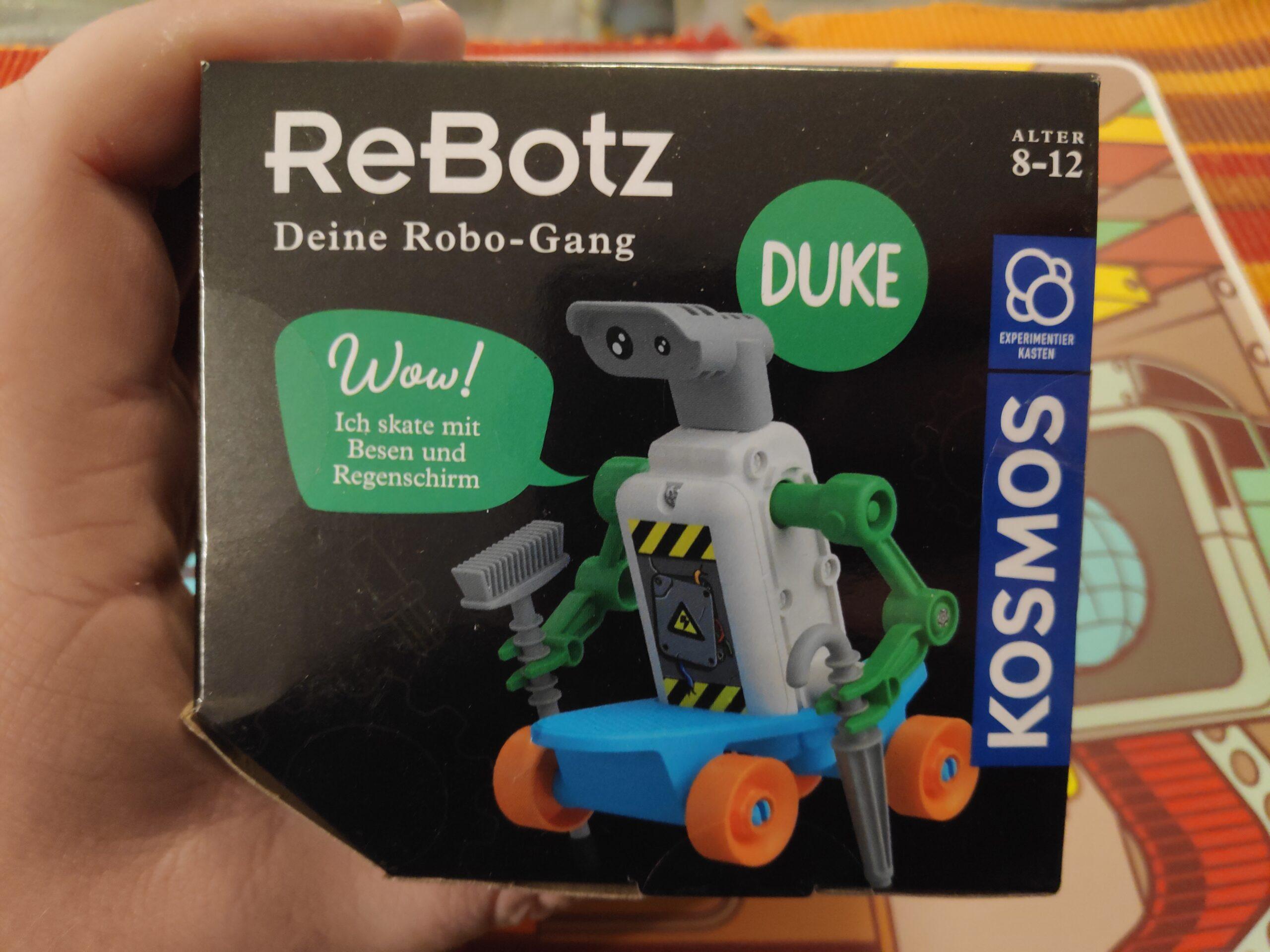
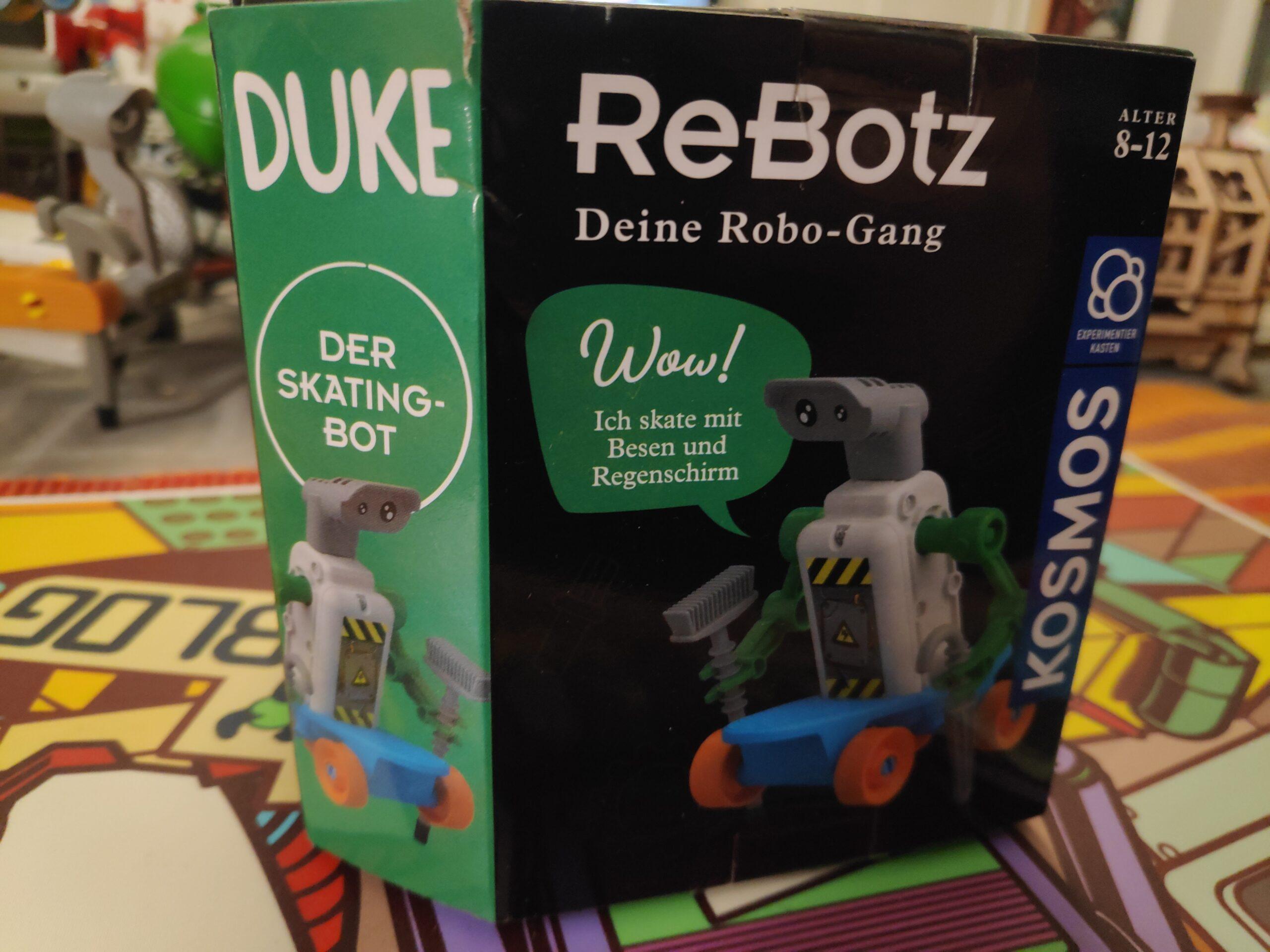
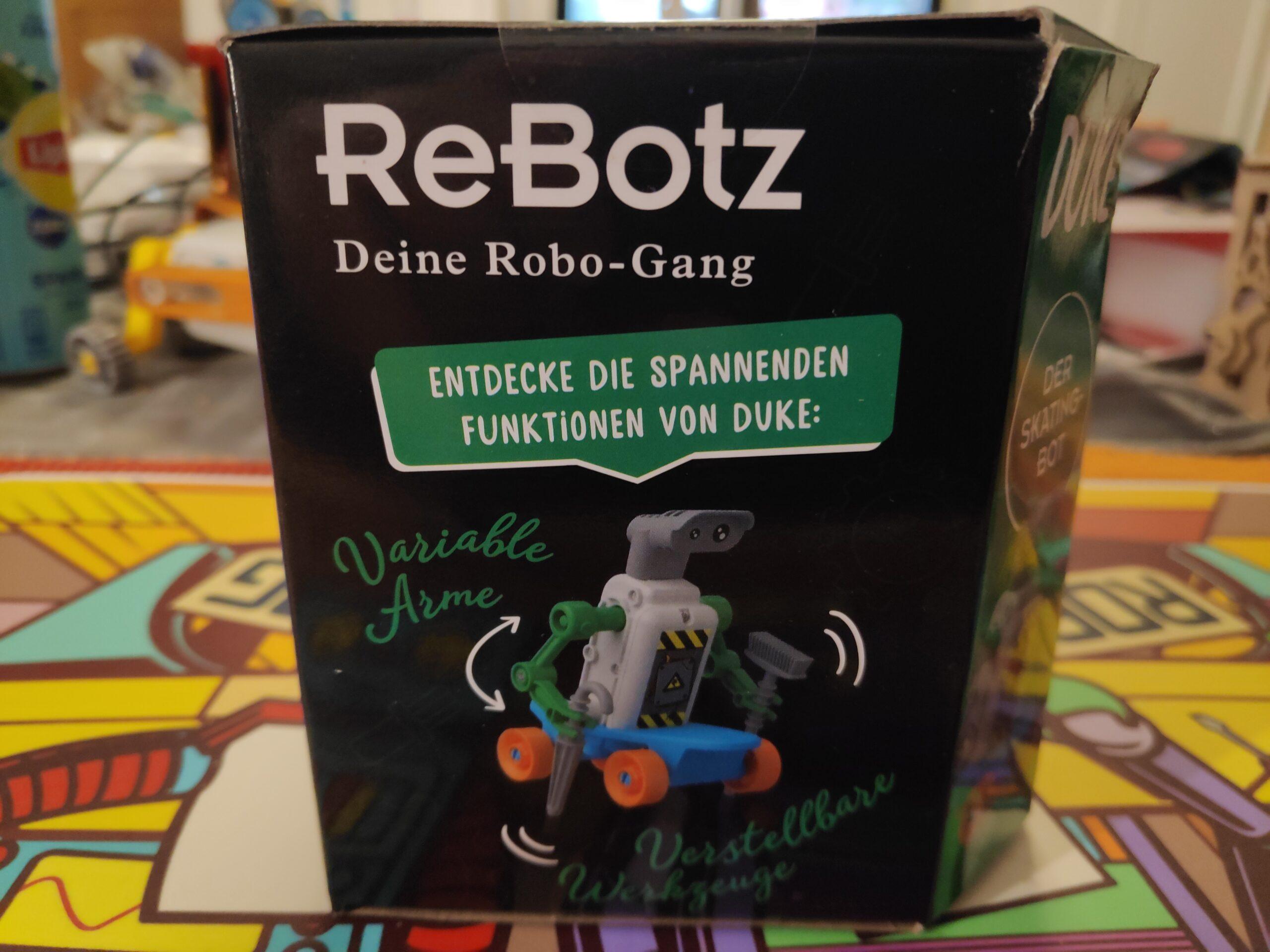
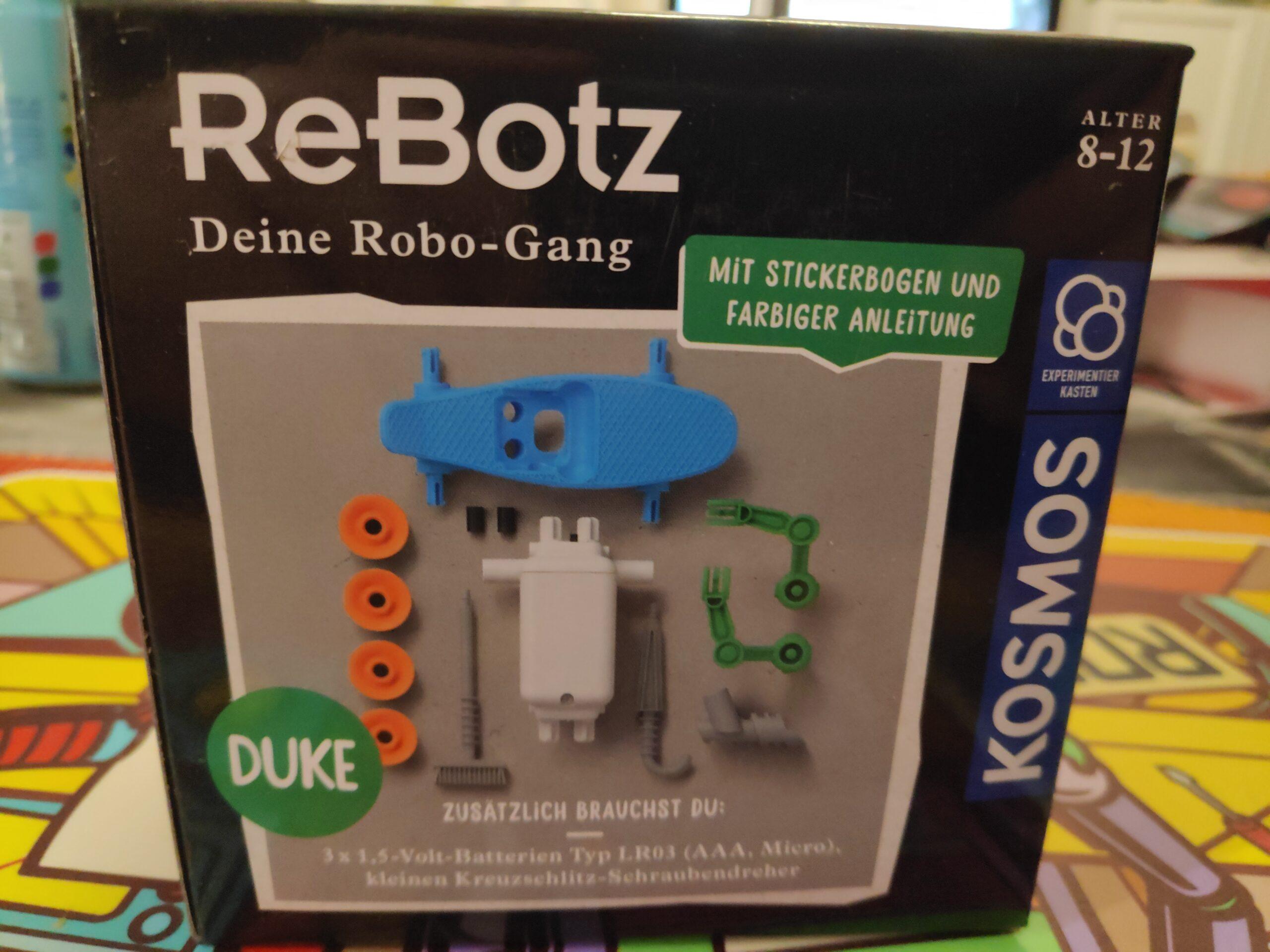
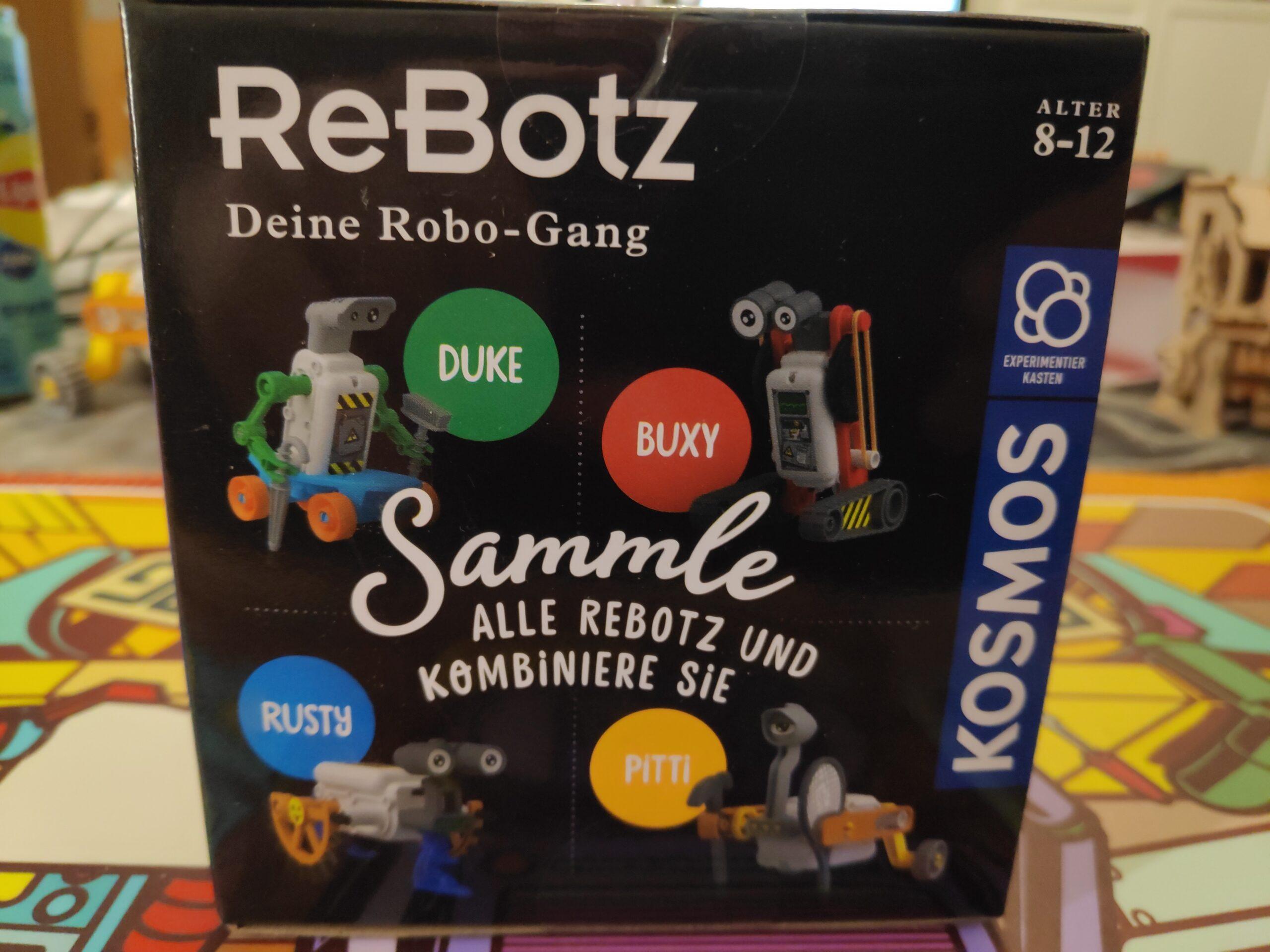
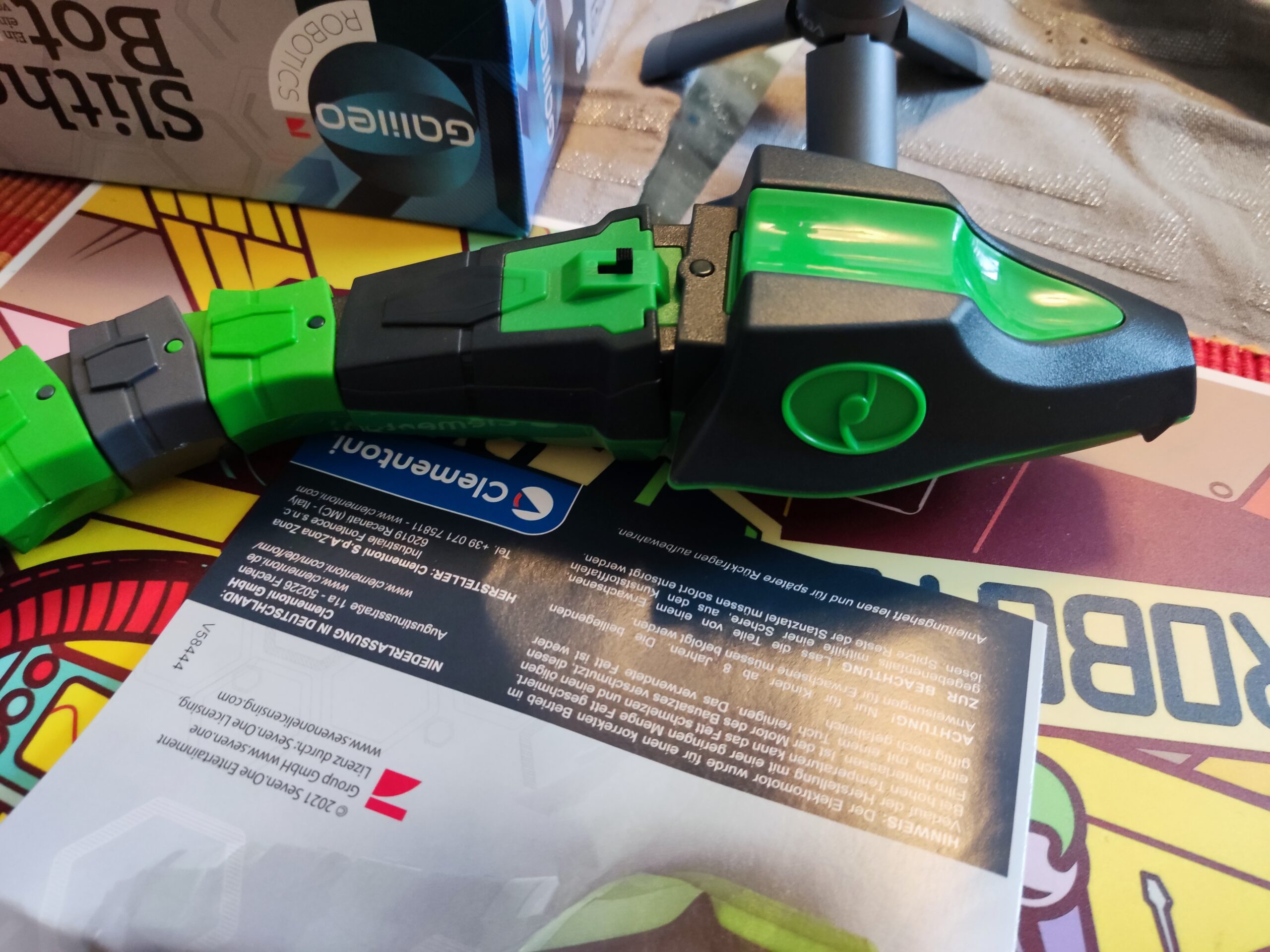
So einfach kann es sein, einen eigenen Roboter zu konstruieren! Die kleinen Roboter aus
der neuen Reihe ReBotz sind mit wenigen Handgriffen zusammengebaut. Mit Batterien
versorgt, bringen sie Kinder ab acht Jahren mit Ihren kuriosen Fortbewegungsarten zum
Staunen und mit ihren besonderen Charakteren zum Schmunzeln. Besonders Spaß macht
es, die Körperteile der verschiedenen ReBotz durcheinander zu mischen und so ganz neue
Fortbewegungsmethoden zu erfinden. Auf diese Weise wird die Sammelleidenschaft und
die Lust der jungen Forscherinnen und Forscher am Experimentieren geweckt.
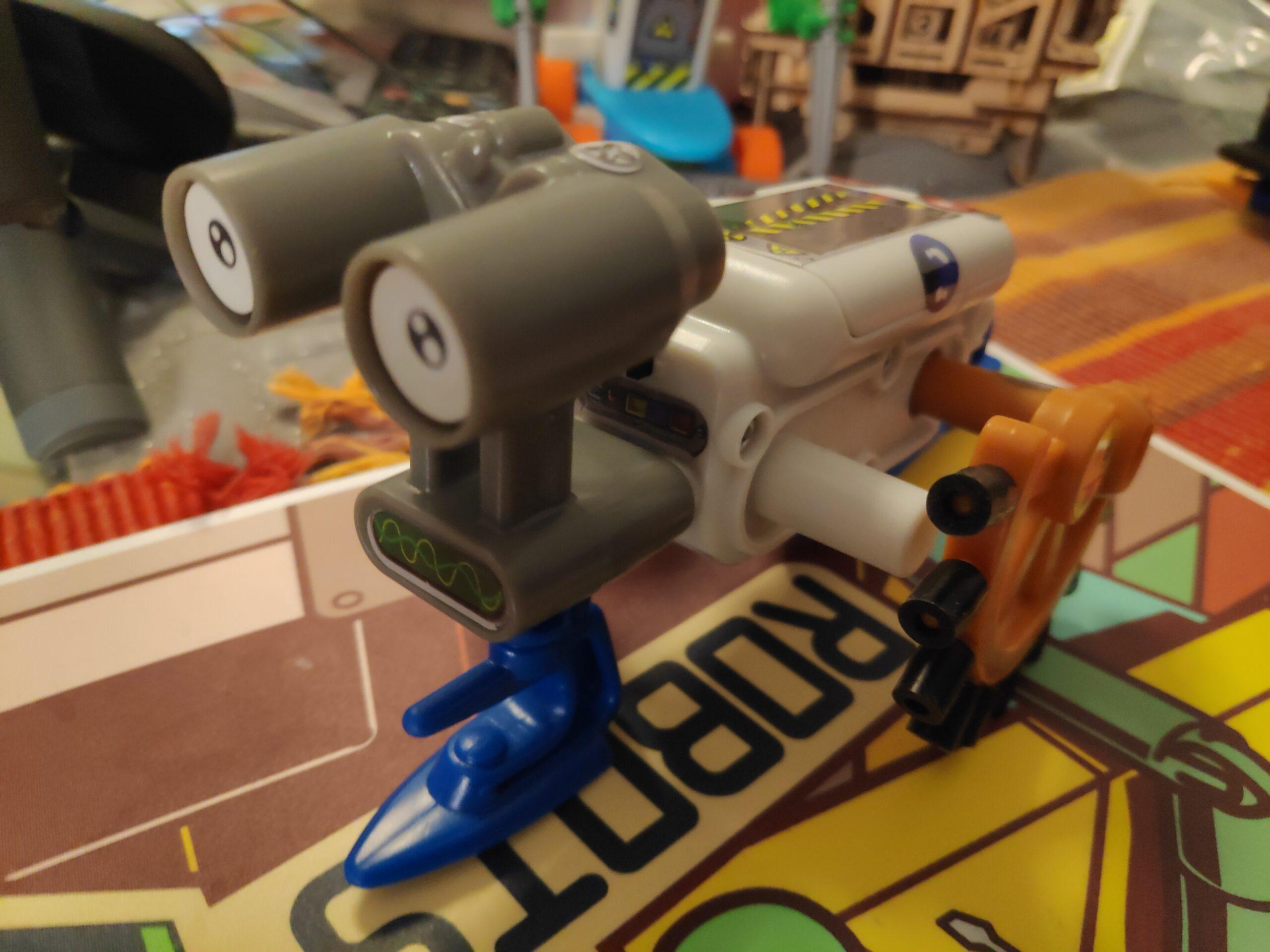
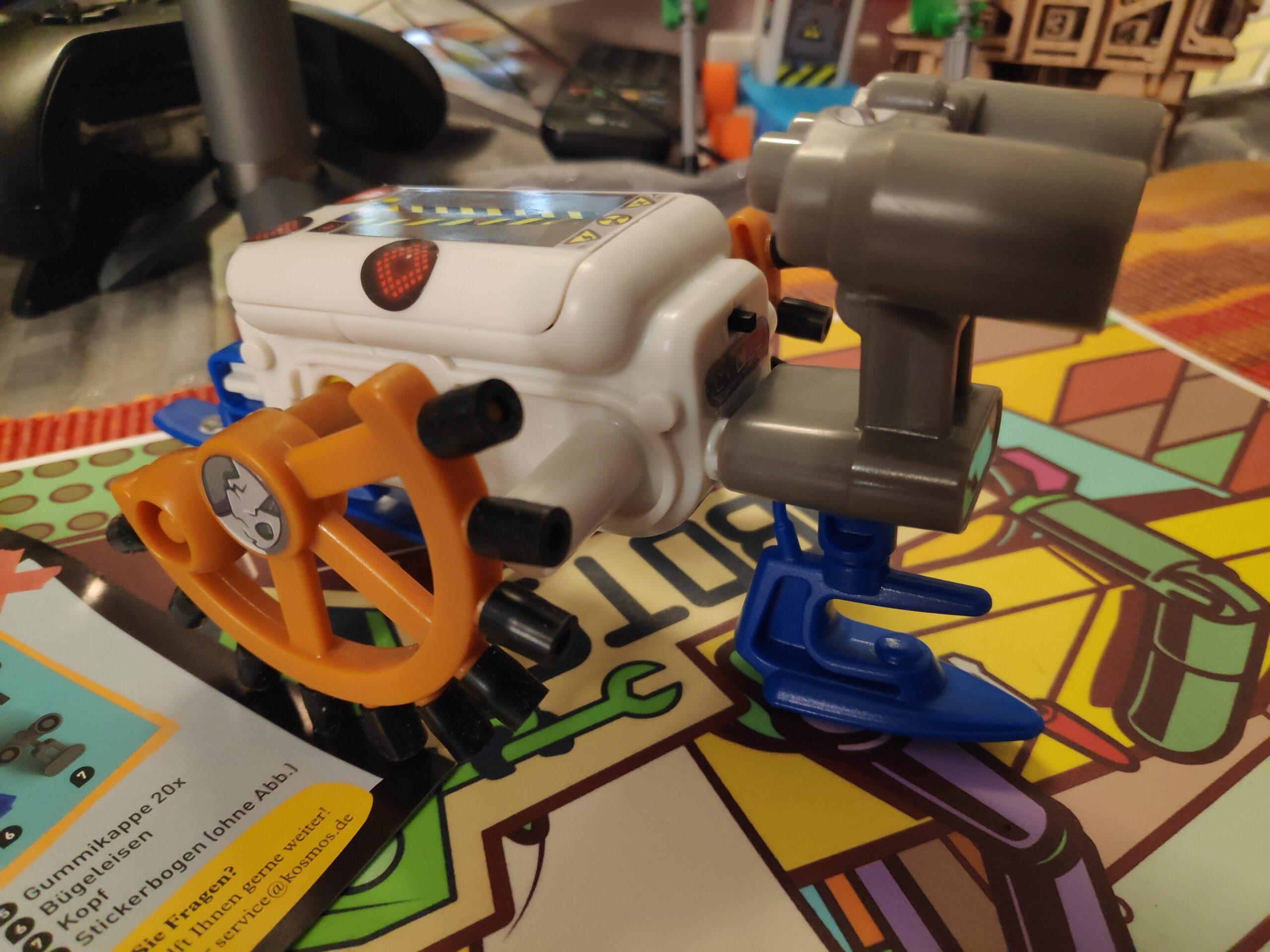
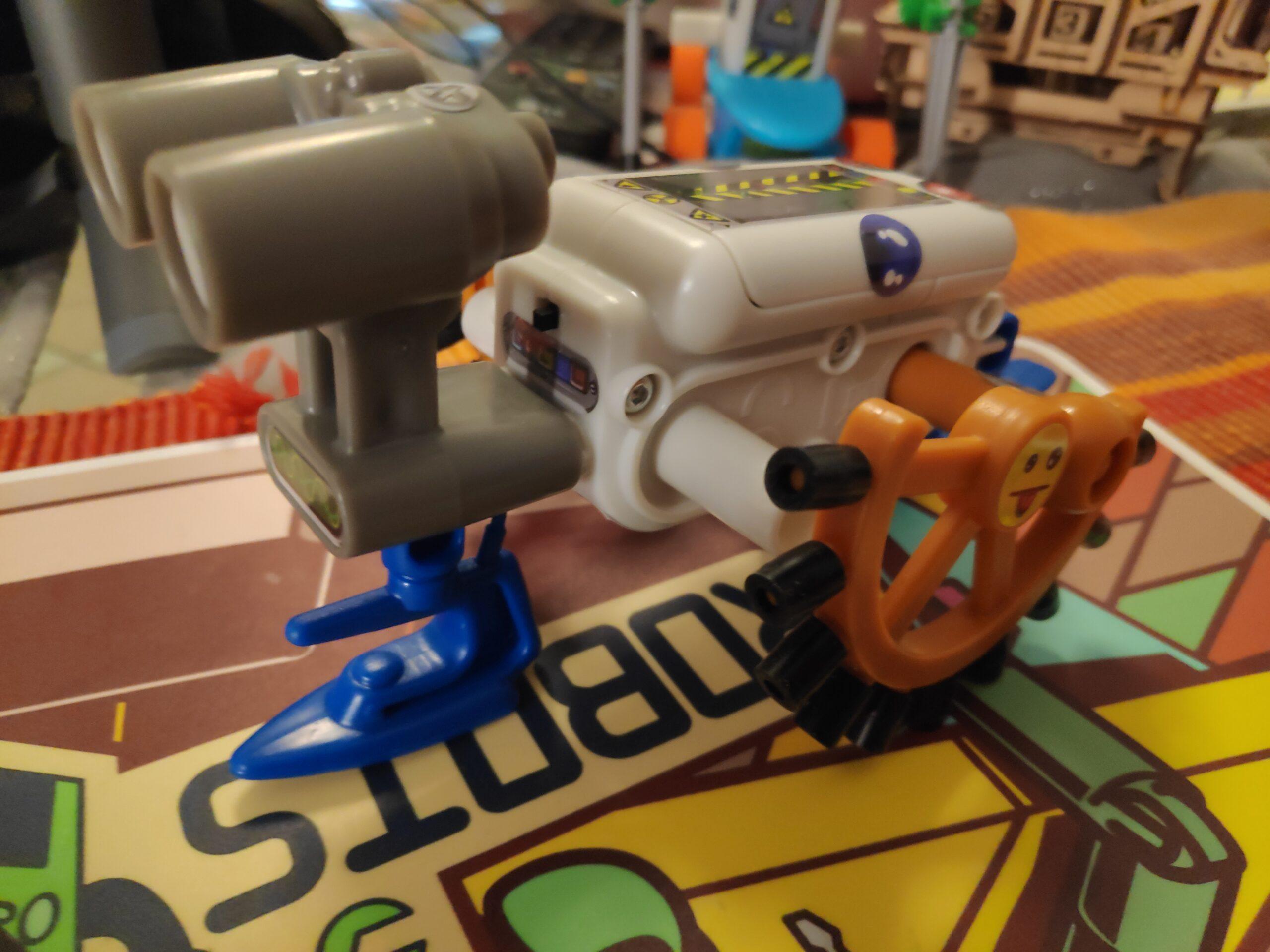
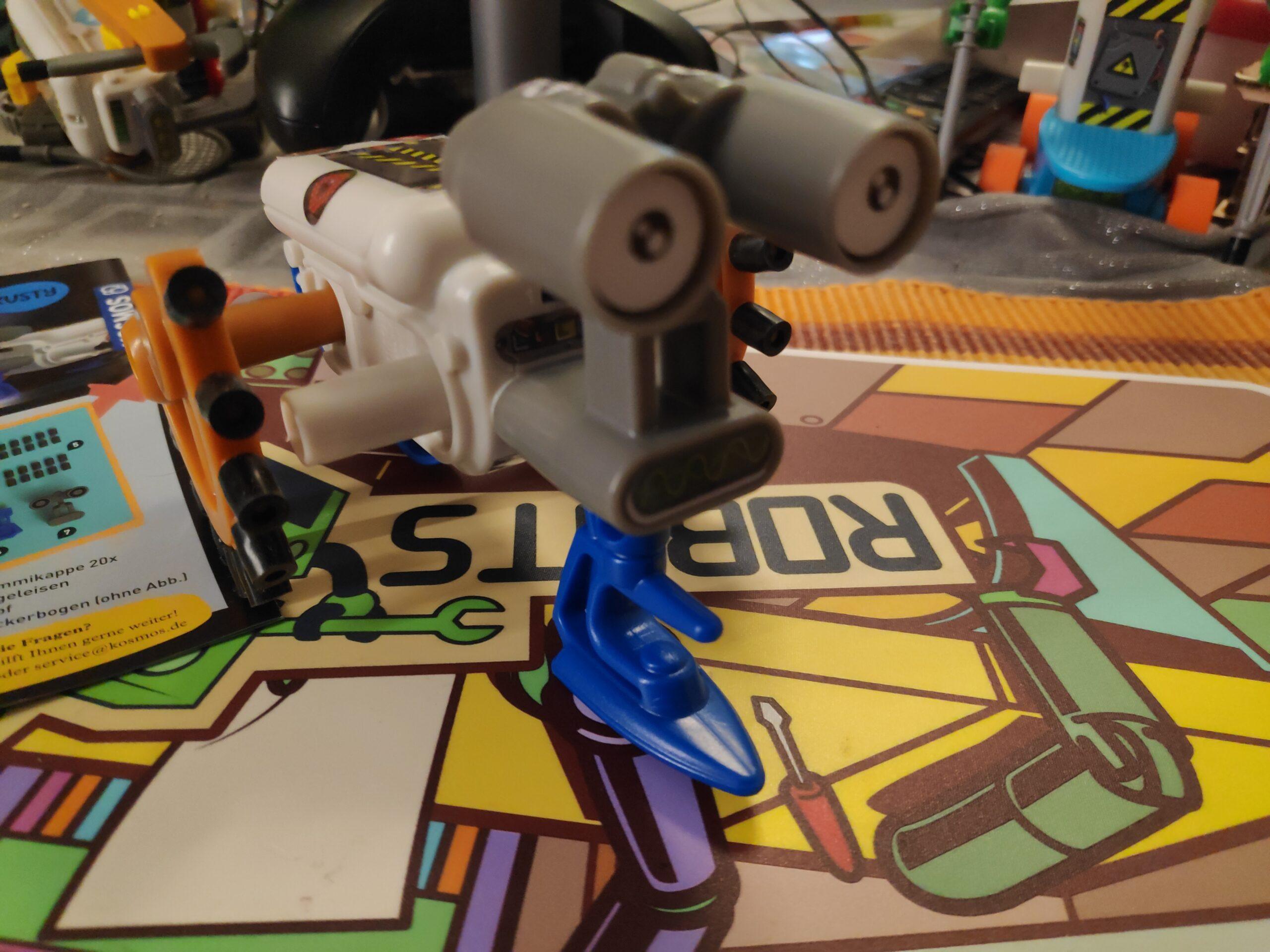
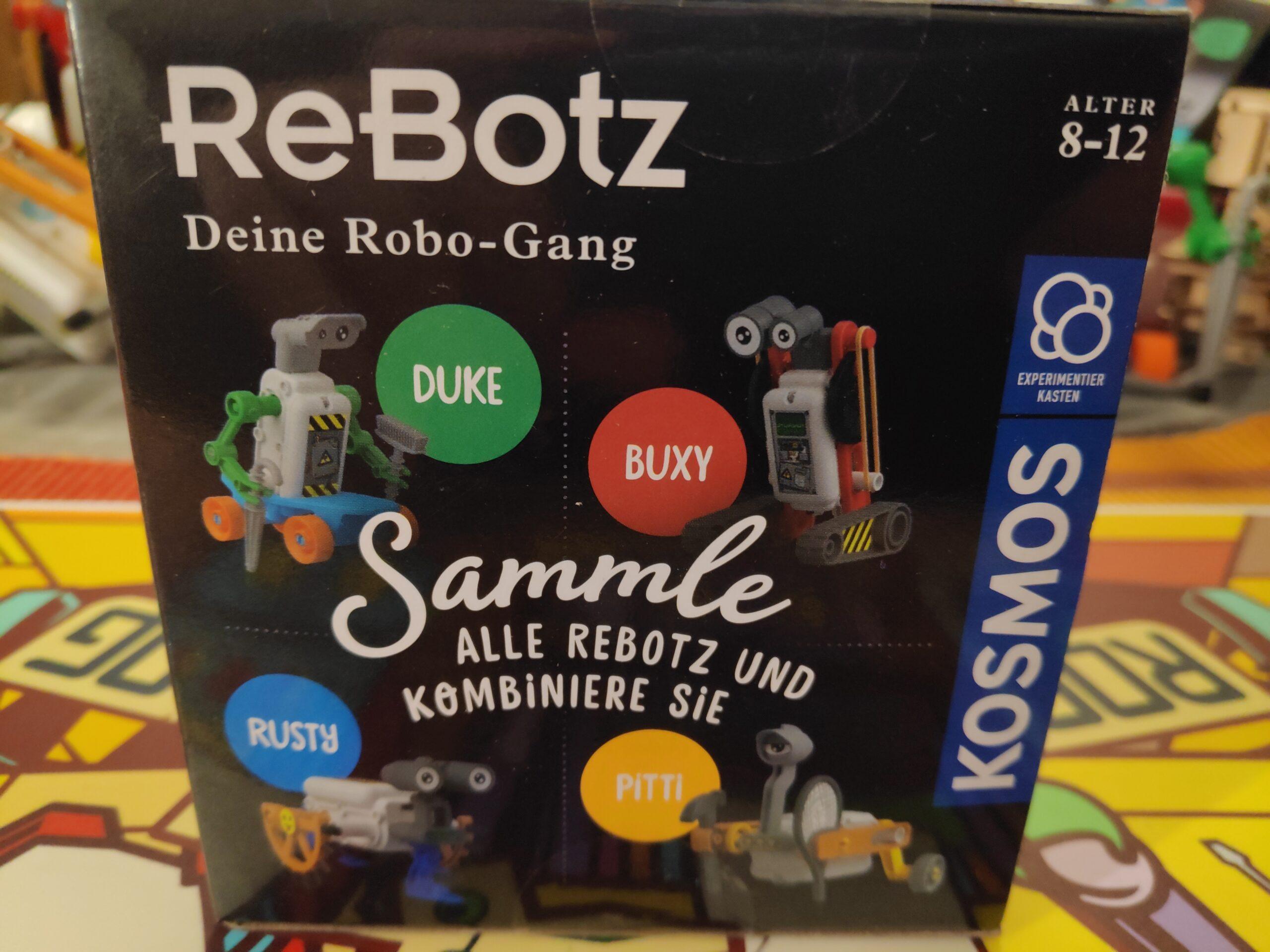
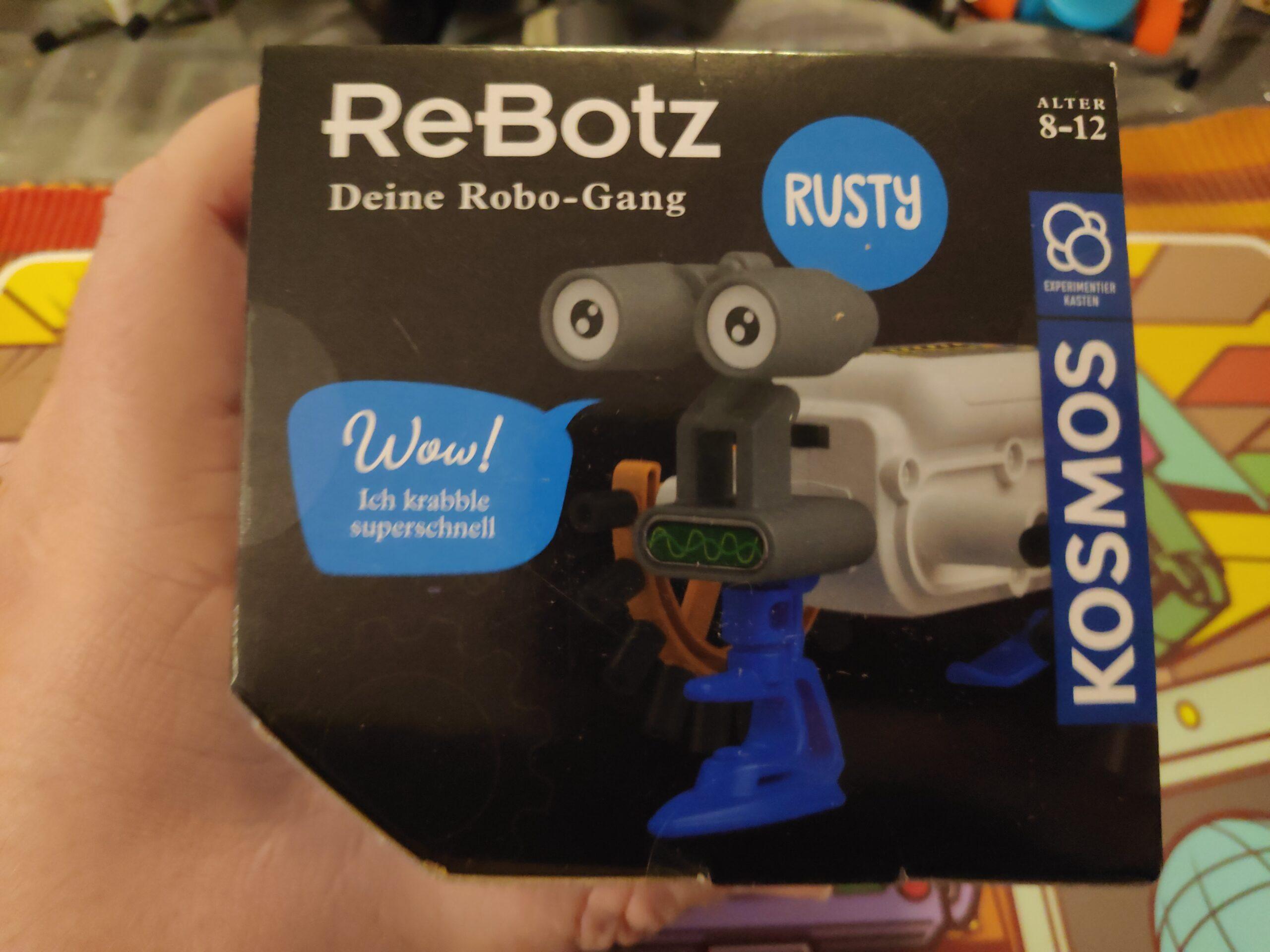
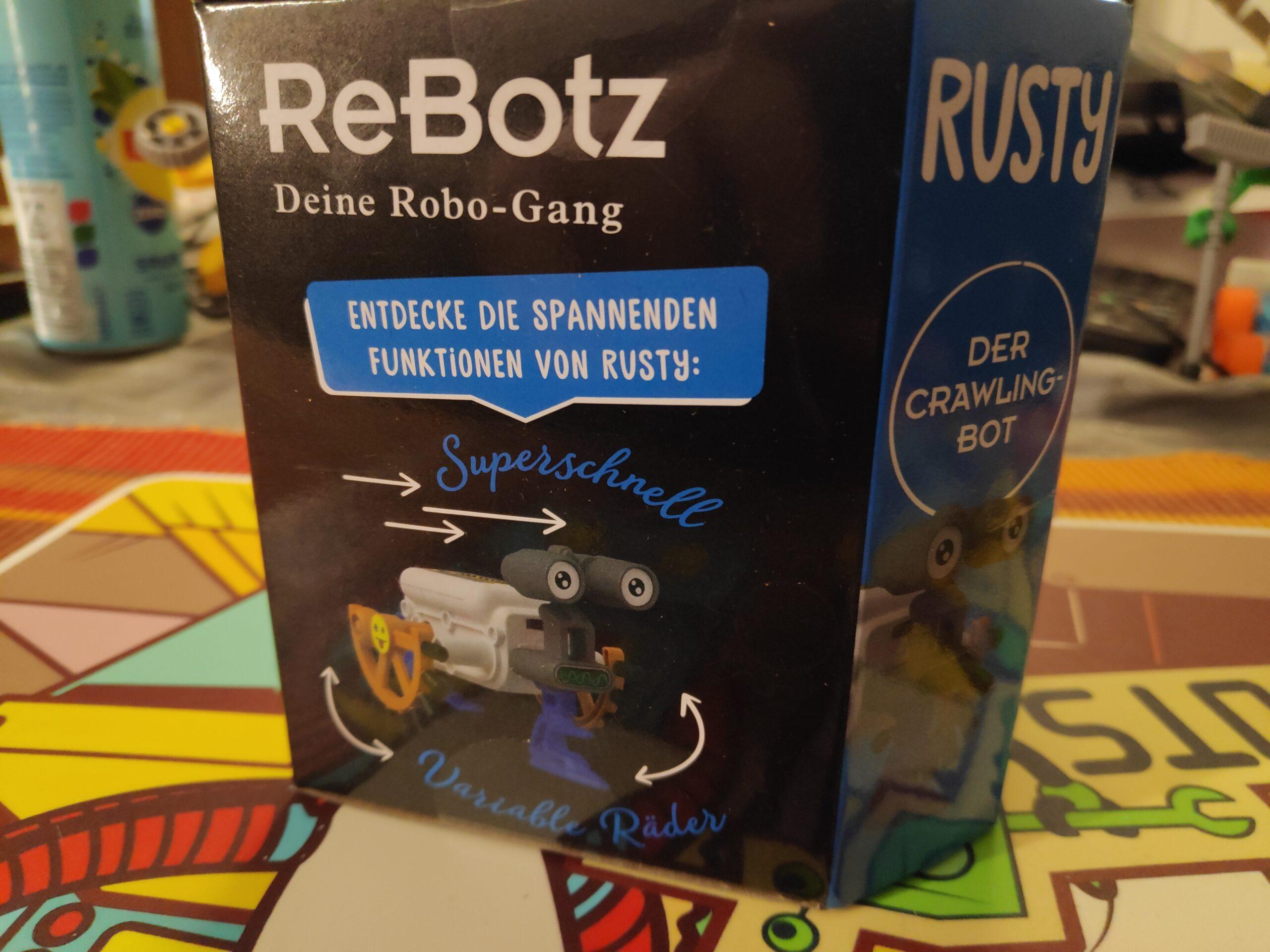
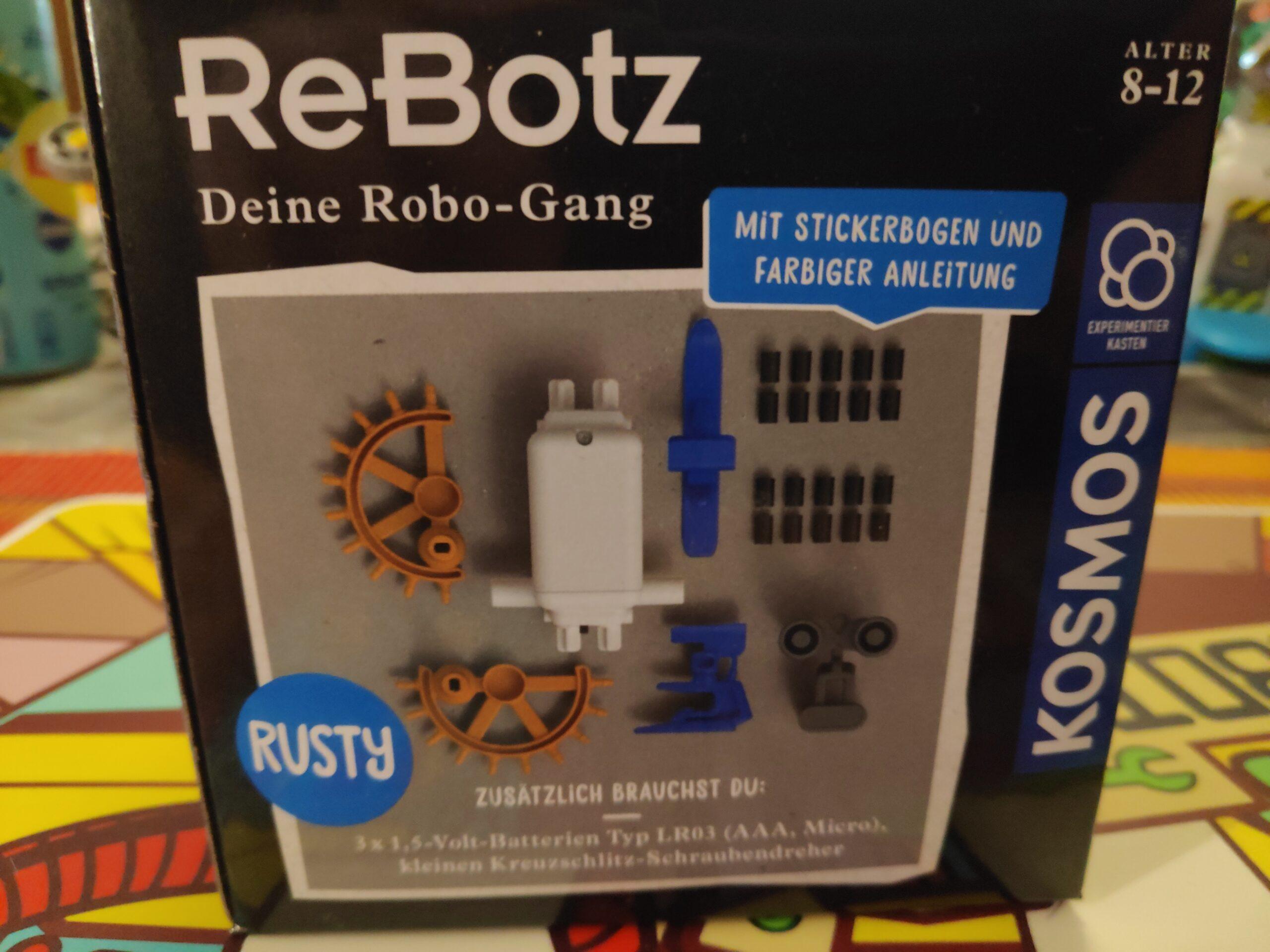
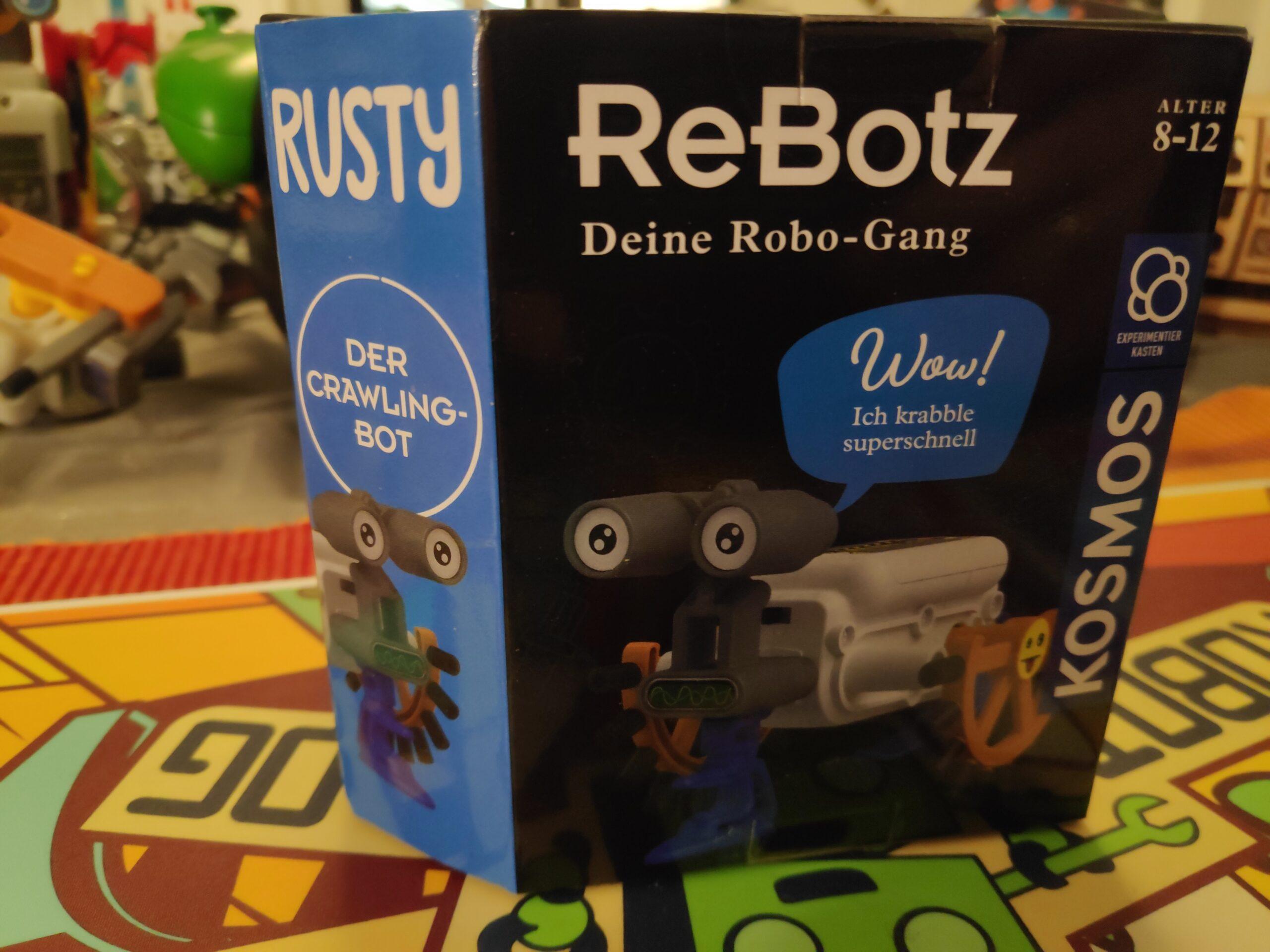
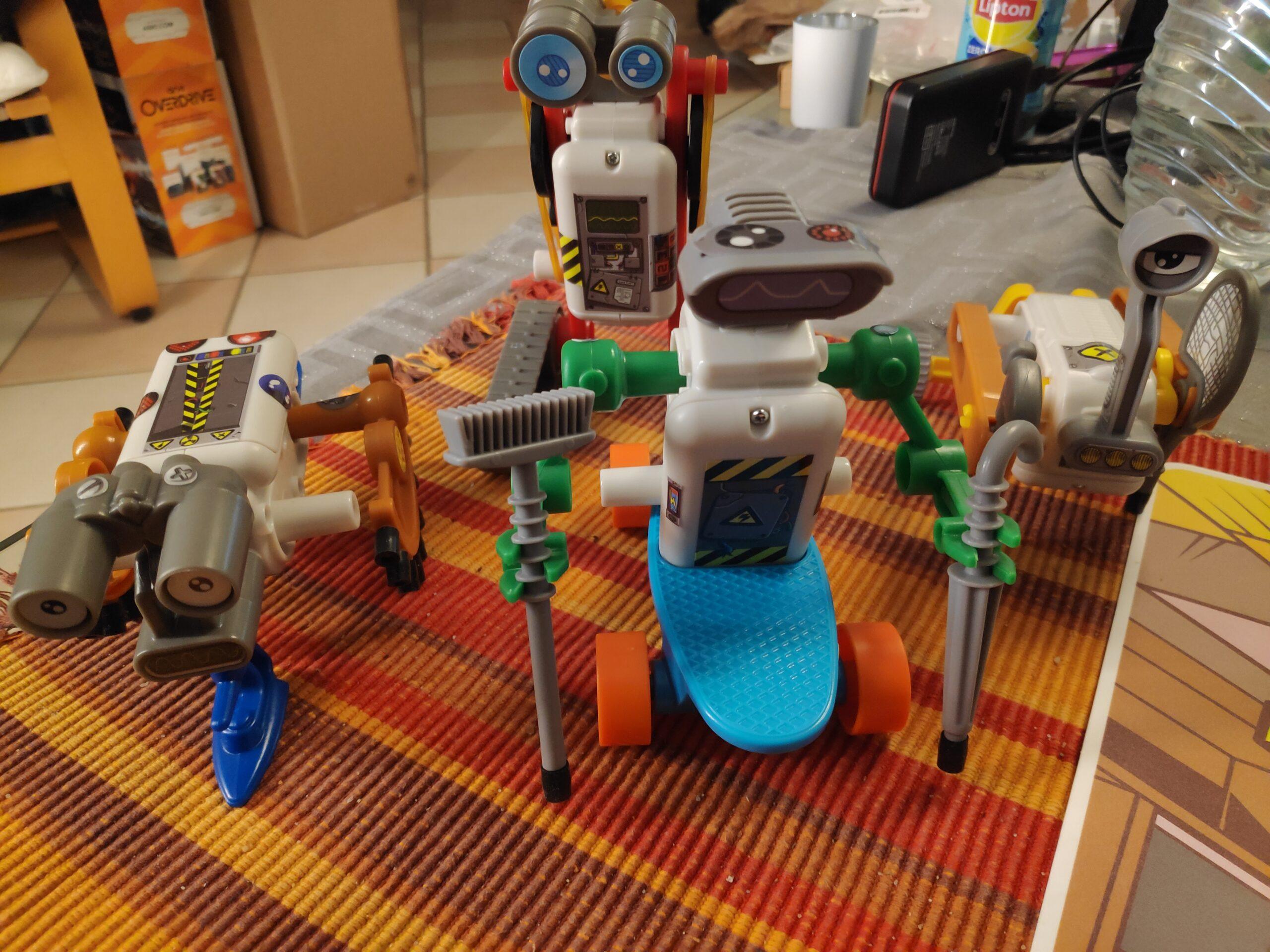
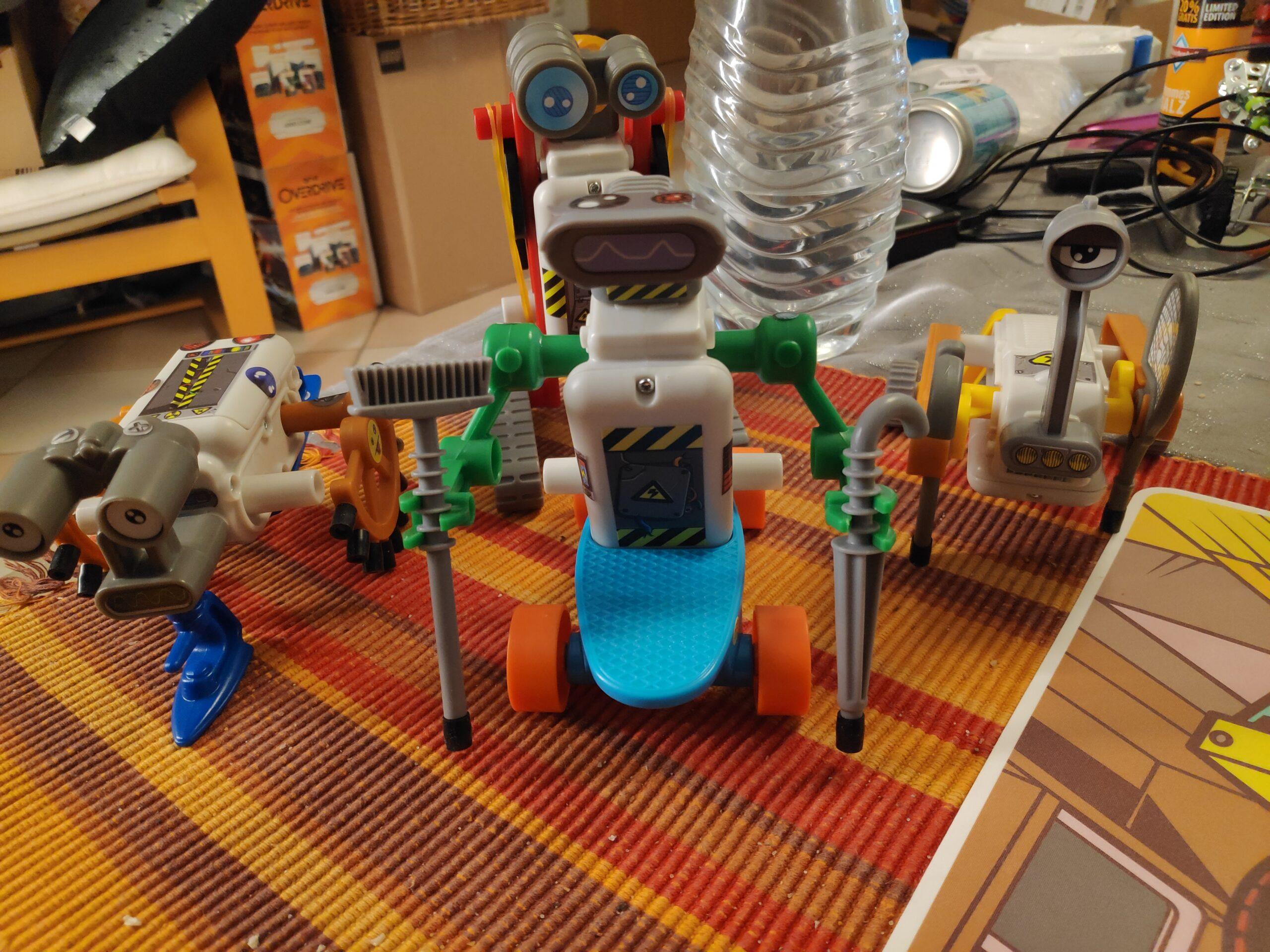
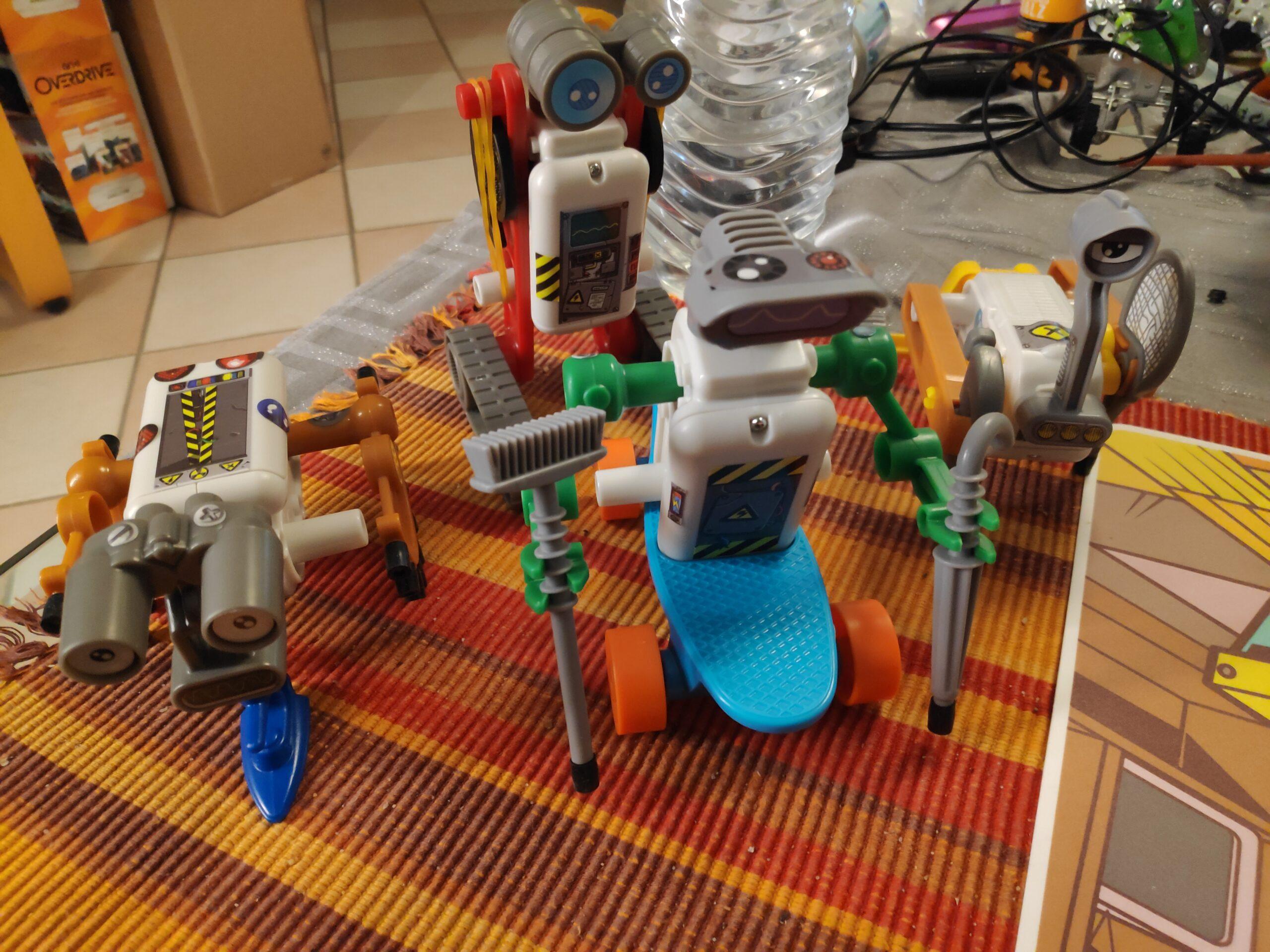
So einfach kann es sein, einen eigenen Roboter zu konstruieren! Die kleinen Roboter aus
der neuen Reihe ReBotz sind mit wenigen Handgriffen zusammengebaut. Mit Batterien
versorgt, bringen sie Kinder ab acht Jahren mit Ihren kuriosen Fortbewegungsarten zum
Staunen und mit ihren besonderen Charakteren zum Schmunzeln. Besonders Spaß macht
es, die Körperteile der verschiedenen ReBotz durcheinander zu mischen und so ganz neue
Fortbewegungsmethoden zu erfinden. Auf diese Weise wird die Sammelleidenschaft und
die Lust der jungen Forscherinnen und Forscher am Experimentieren geweckt.