RoboGym – Revolutionary training not just for top athletes

How will the technologies available today impact tomorrow’s fitness training? Can robots help us pump iron and get improved training results? What do high-performance sports, weightlifting for seniors, and rehabilitation all have in common?

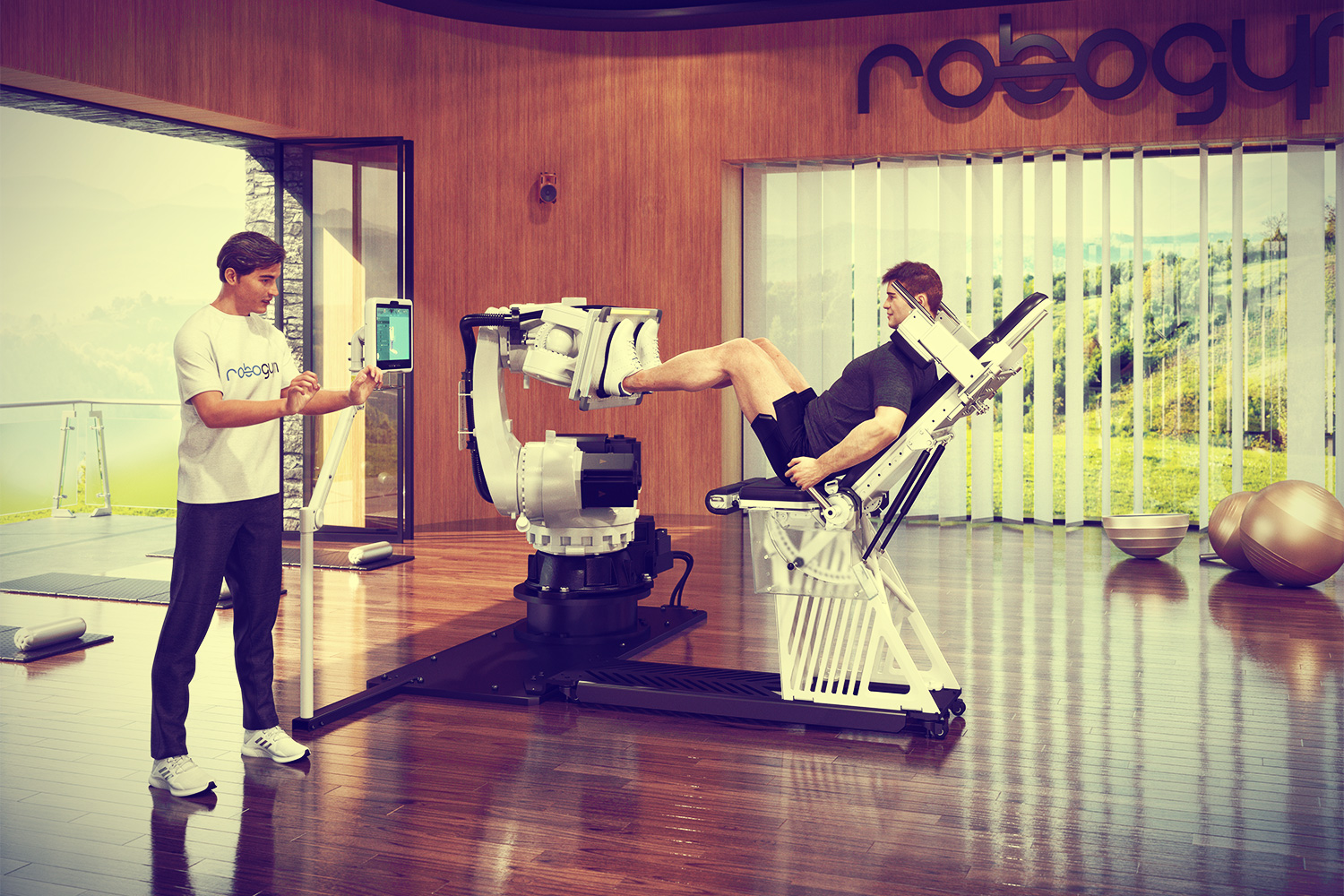
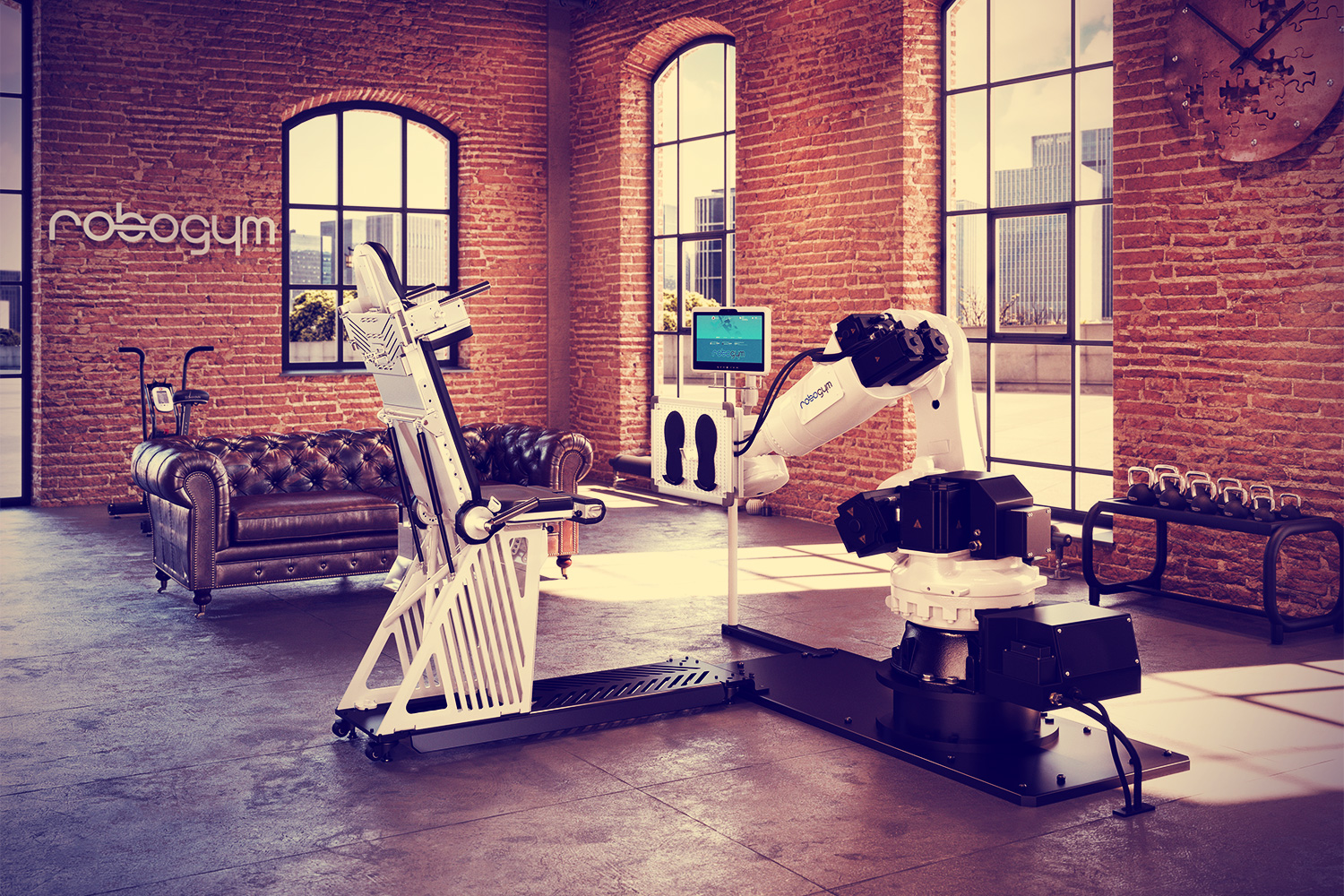
That’s precisely what the RoboGym development team is dealing with, along with similar questions in a research project entitled RoSylerNT, which is being funded by the Federal Ministry of Education and Research. Over the past three years, the experts at RWTH Aachen University, the German Sport University Cologne, and BEC GmbH have jointly developed a multifunctional, robotic weightlifting device that will, on the one hand, help athletes to increase their own performance even further and to shorten the recuperation period following an injury. On the other hand, individual adjustments to the requirements of the person exercising also make it suitable for training in later years in a way that’s gentle on the joints and thus preserves muscle strength and prevents injuries.
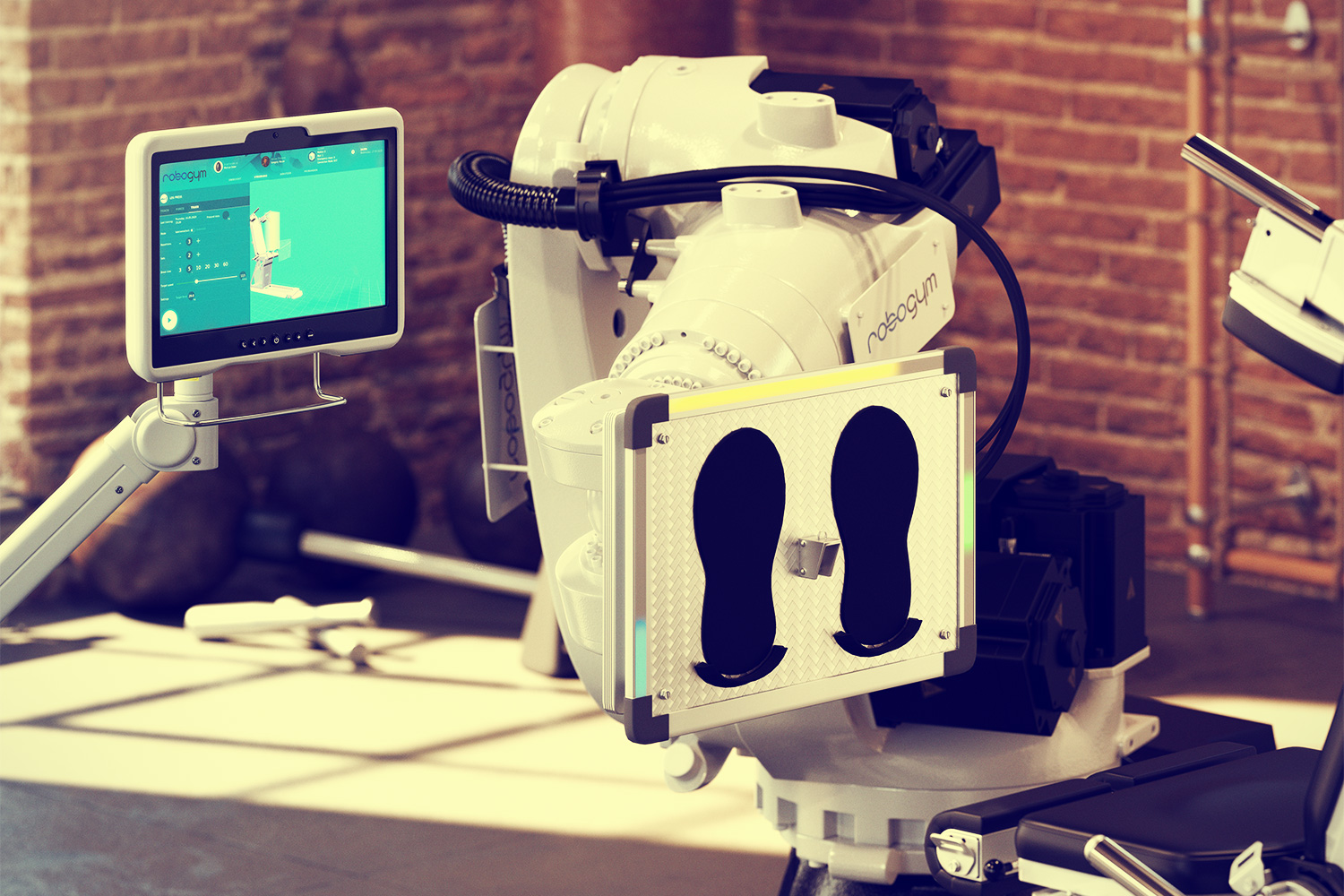
A robot as training partner

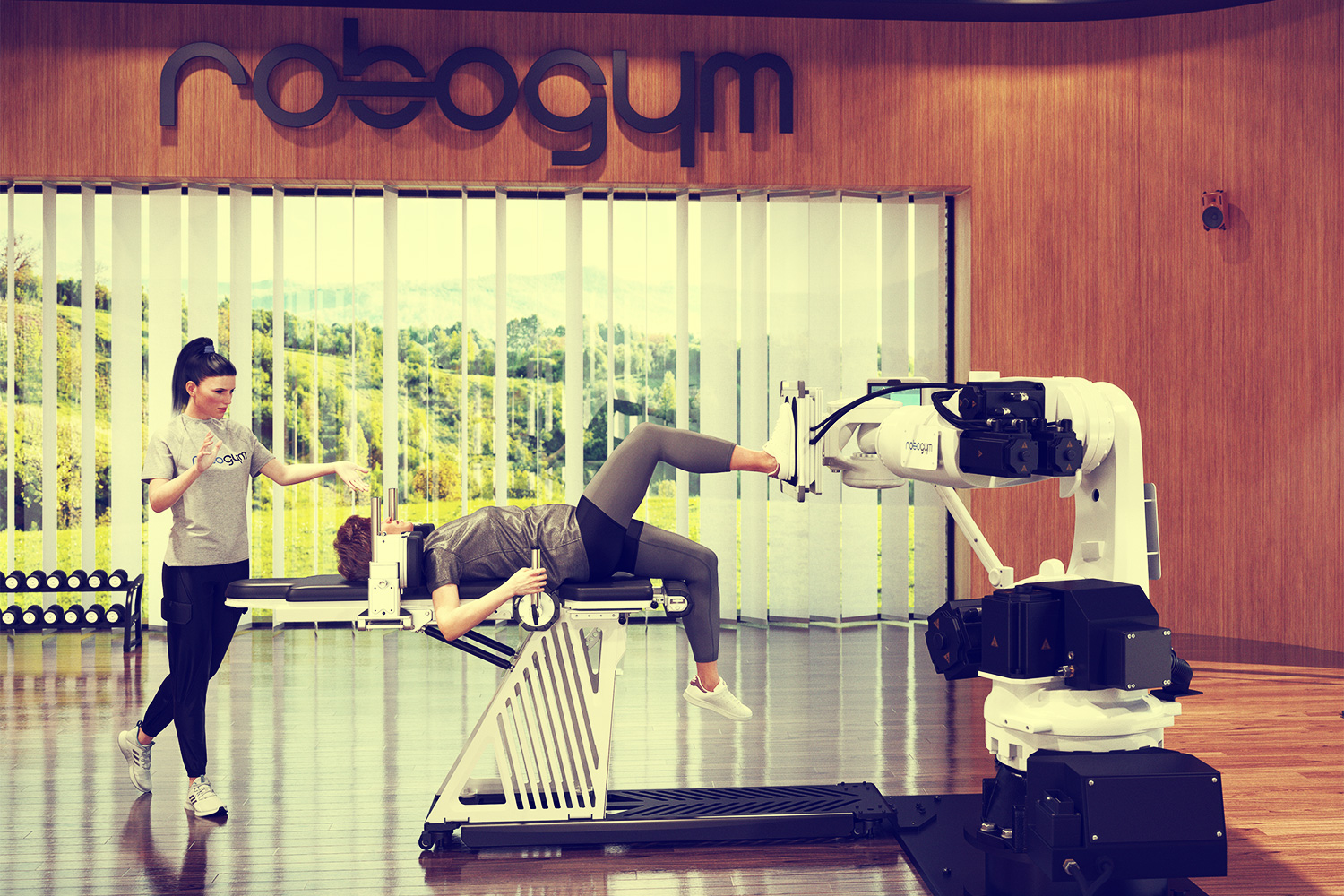
The systems available on the market today only allow for individual exercises such as rowing or leg presses. And that means doing several repetitions of the same movement with a fixed weight. To get more efficient and gentler training, however, it’s necessary for training to be ergonomically adapted to the person’s anatomy and for the forces to be tuned to protect the joints. Sure, there are high-performance training machines on the market, but adjusting the settings can be quite a hassle, freedom of movement is largely restricted, and as a result the range of exercises is limited. Where these systems reach their limits is where a robot as your perfect training partner begins.


RoboGym is a big improvement over conventional training methods in many ways, since the system actively and dynamically adapts to your anatomy and thus helps noticeably increase the effectiveness of the training. For example, the resistance and the movements of the robot can be specially adapted to the athlete for different positions and points in time. To do this, the applied muscle force is recorded, the stress on the joints is calculated, and the robot’s movements are then adjusted – all in real time. If the force exerted on the knee joint is too much, then the robot reduces the weight. Contrarily, if more weight is better for building muscle elsewhere in the body, the robot adjusts the weight accordingly.


Weightlifting with a digital twin

With the digital twin, anatomical, functional and performance-related parameters of the athlete are brought together in a biomechanical muscle and skeletal model. The training exercises can be individually adapted based on these metrics. During the training session, all data and weights are displayed in real time and saved in the cloud. Since a huge amount of data is produced and collected, much more precise filtering is naturally possible, allowing the forces actually applied and the training performance to be seen more precisely during each part of the exercise. This lets you adapt your fitness routine to your own individual needs. Stored training data and system settings can be accessed on every RoboGym machine for every new training session. That’s one advantage that top athletes who travel a lot really appreciate. For more information, visit http://www.robogym.de

Safe and versatile

To be able to put an industrial robot to use as a training partner, in addition to lots of experience in the fields of medical technology and human-robot interaction, takes intelligent configuration of various monitoring mechanisms. Working inside RoboGym is a robot from Augsburg-based KUKA AG, which, in addition to the necessary safety features, also offers high-performance real-time control. This makes training not only more efficient, but also safe. 

igus low cost automation: Mask dispensers – save costs with the right robot

First published on igus Blog.
Due to the current situation with the Covid-19 virus, protective masks are our daily companion, whether in the supermarket or when visiting the doctor. Whether self-sewn or produced masks, almost everyone has at least one mask for their own needs. But what can you do if you have forgotten the mask and still have to go shopping?

More and more vending machines are being placed in front of shops in order to ensure admission. These dispensers are constructed similarly to toy vending machines as seen in fairgrounds. There a robot grips a desired toy and brings it to the delivery point.

A Pick&Place application can be seen here:

igus robot kinematics for cost-effective and fast automation

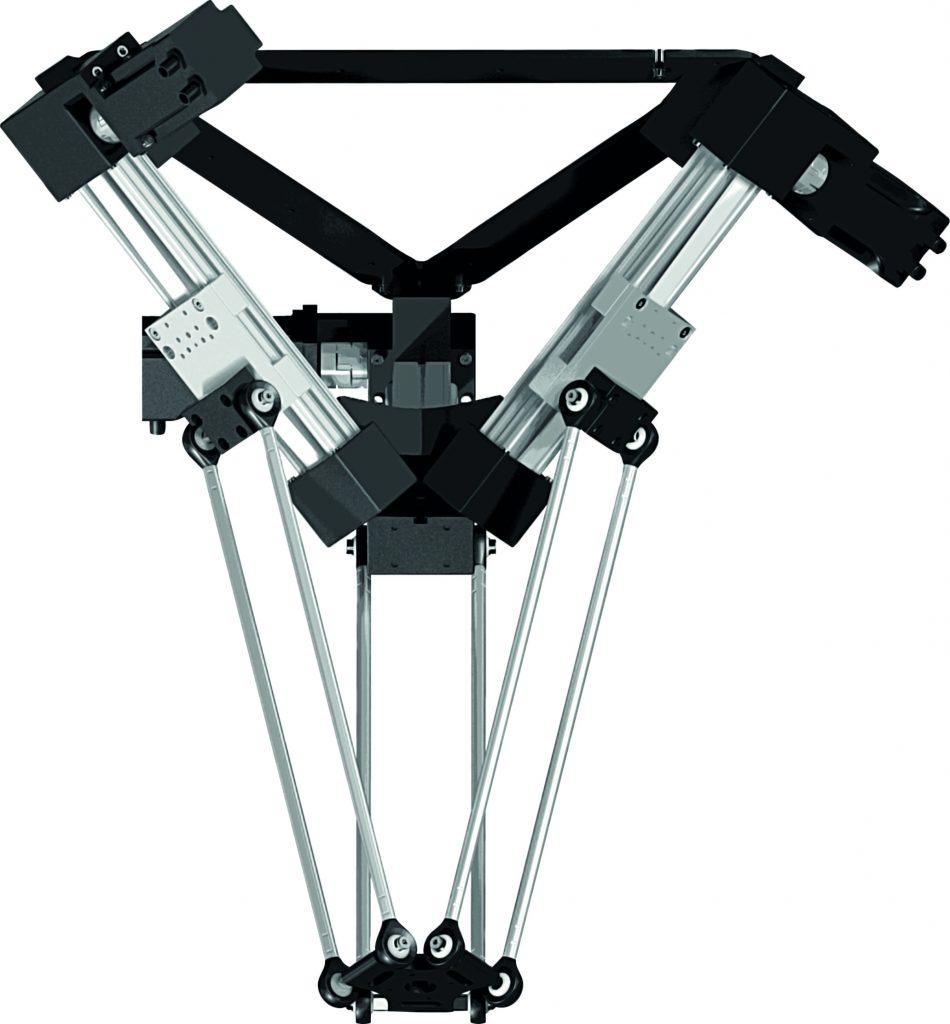
Robot kinematics from igus are ideally suited to such machines. Whether the delta robot, which enables lightning-fast dispensing with a dynamic of 60 picks/min, or the modular linear robot , where the customer can choose the length, are an ideal solution. igus robots are a cost-effective solution and offer a fast return on investment.

Delta robots from igus for cost-effective pick and place applications.

Delta robot is suitable for mask dispensers

Also known as parallel or spider robot. This is because it consists of three linear systems that are built up to form a centre. The delta robot is characterised by its speed. It achieves up to 60 picks per minute. The delta kinematics are optimal for pick and place applications, e.g. in the food, electronics and pharmaceutical industries. The delta robot is suitable for mask dispensers. On request, igus supplies a finished control concept with the igus Robot Control system.
You can find out which robot type is best suited for your application in our blog post.

About the author:
Maxine Schütz
robolink Technical Sales

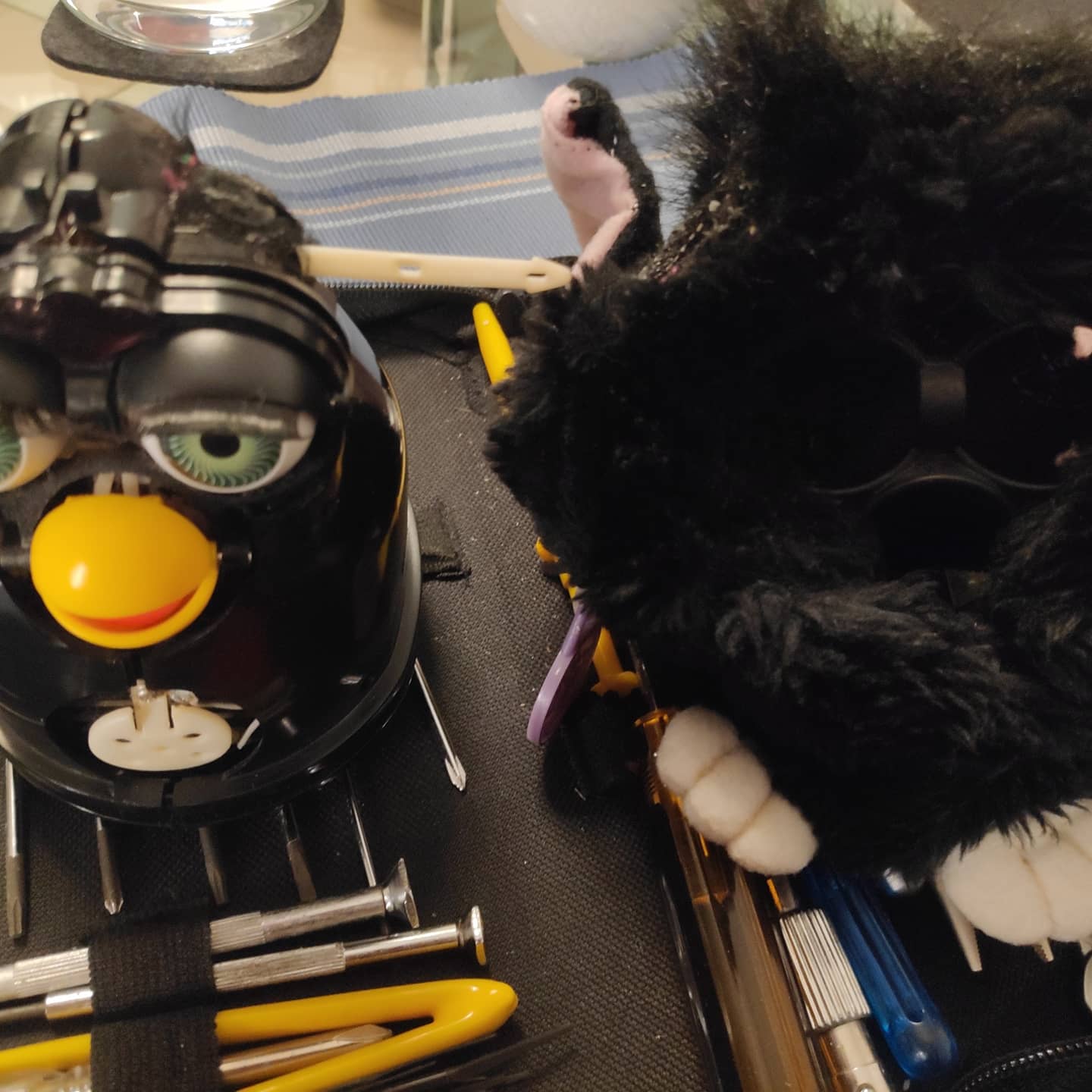
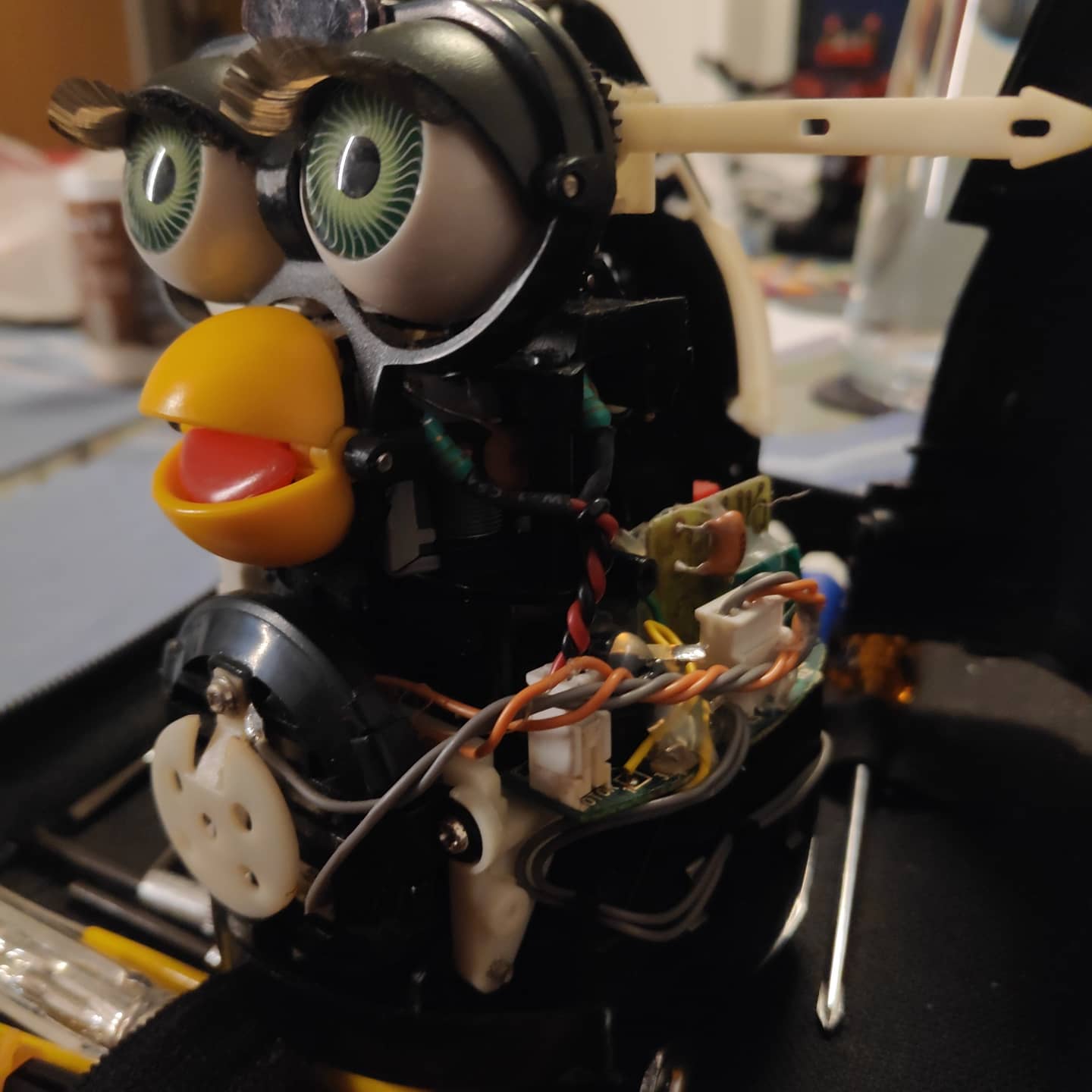
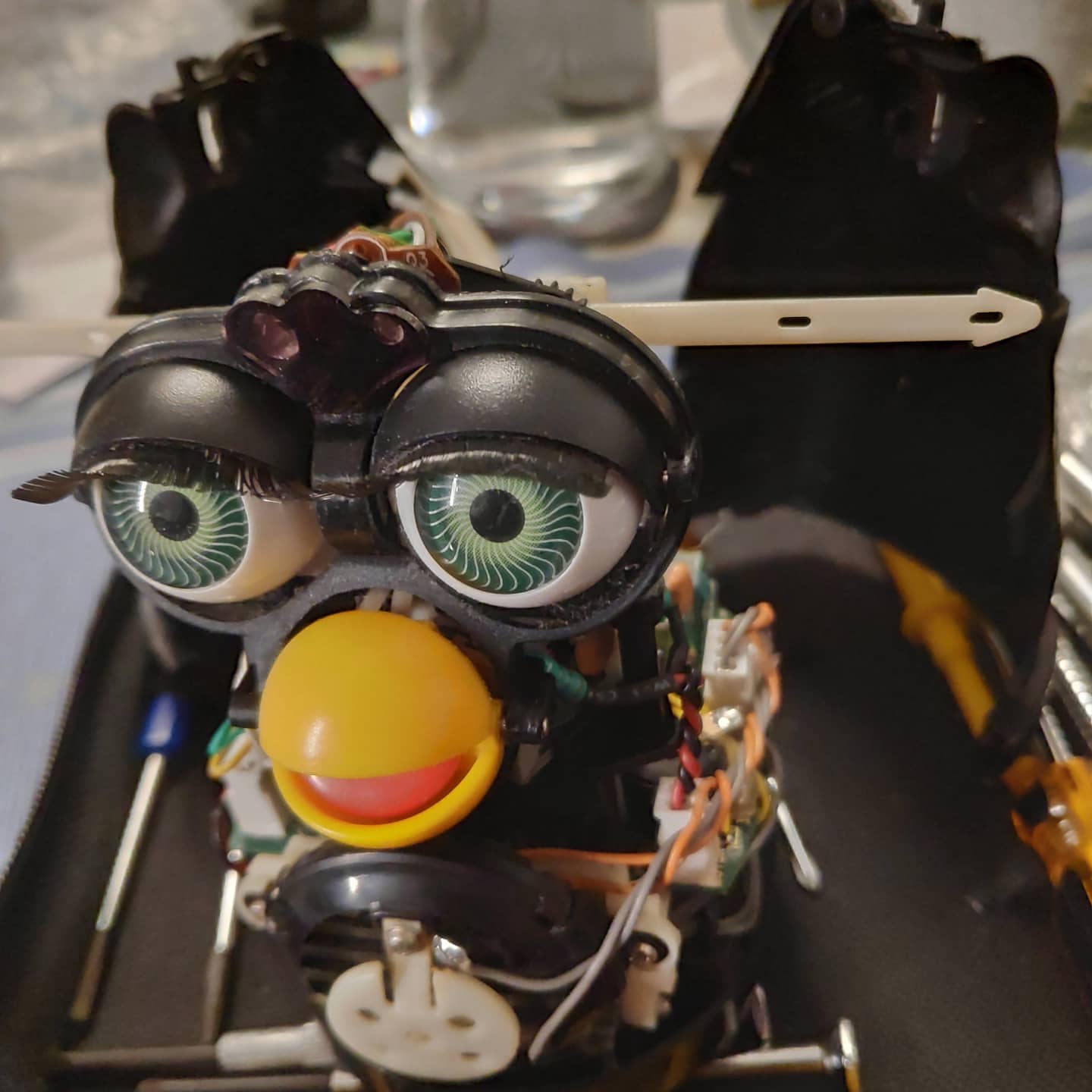
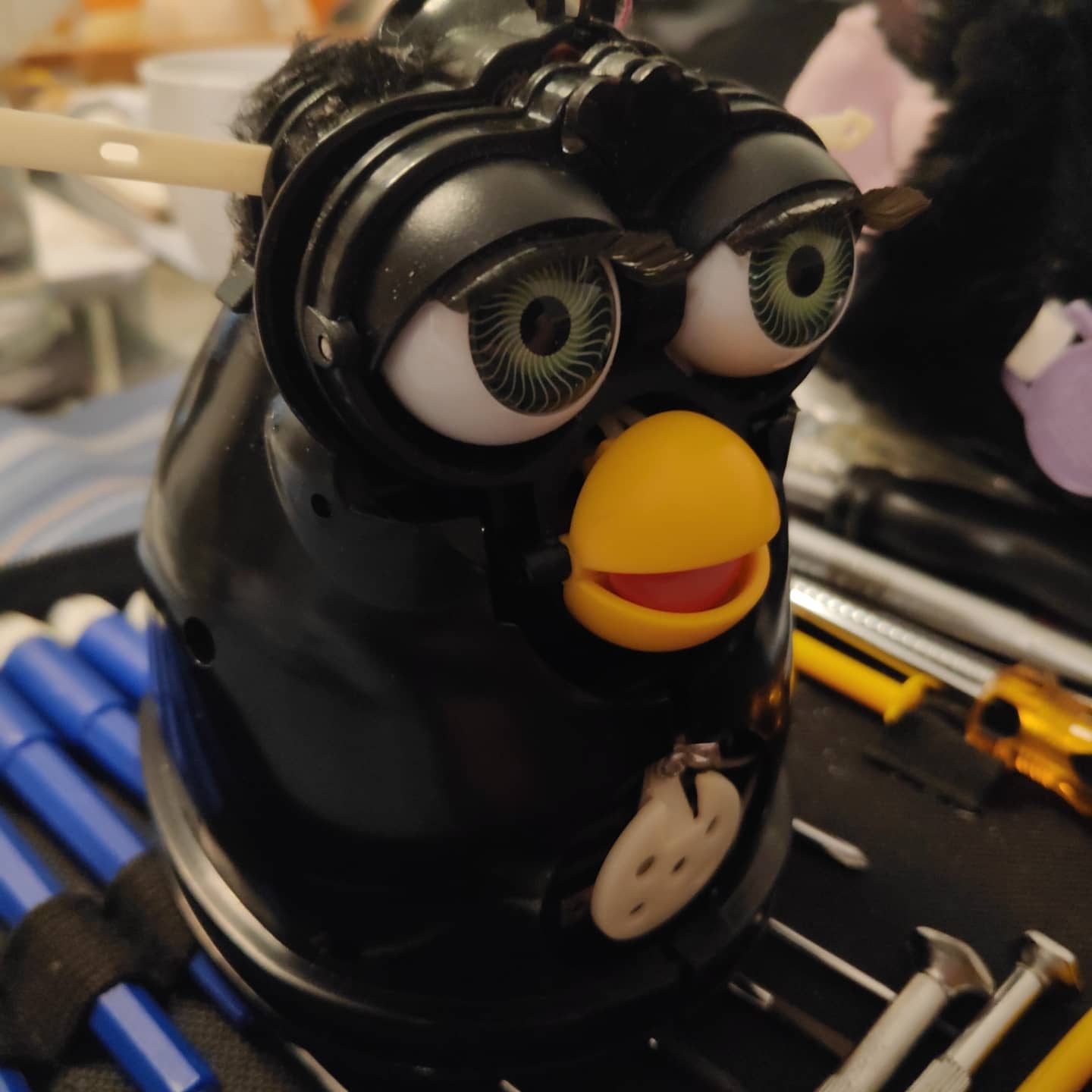
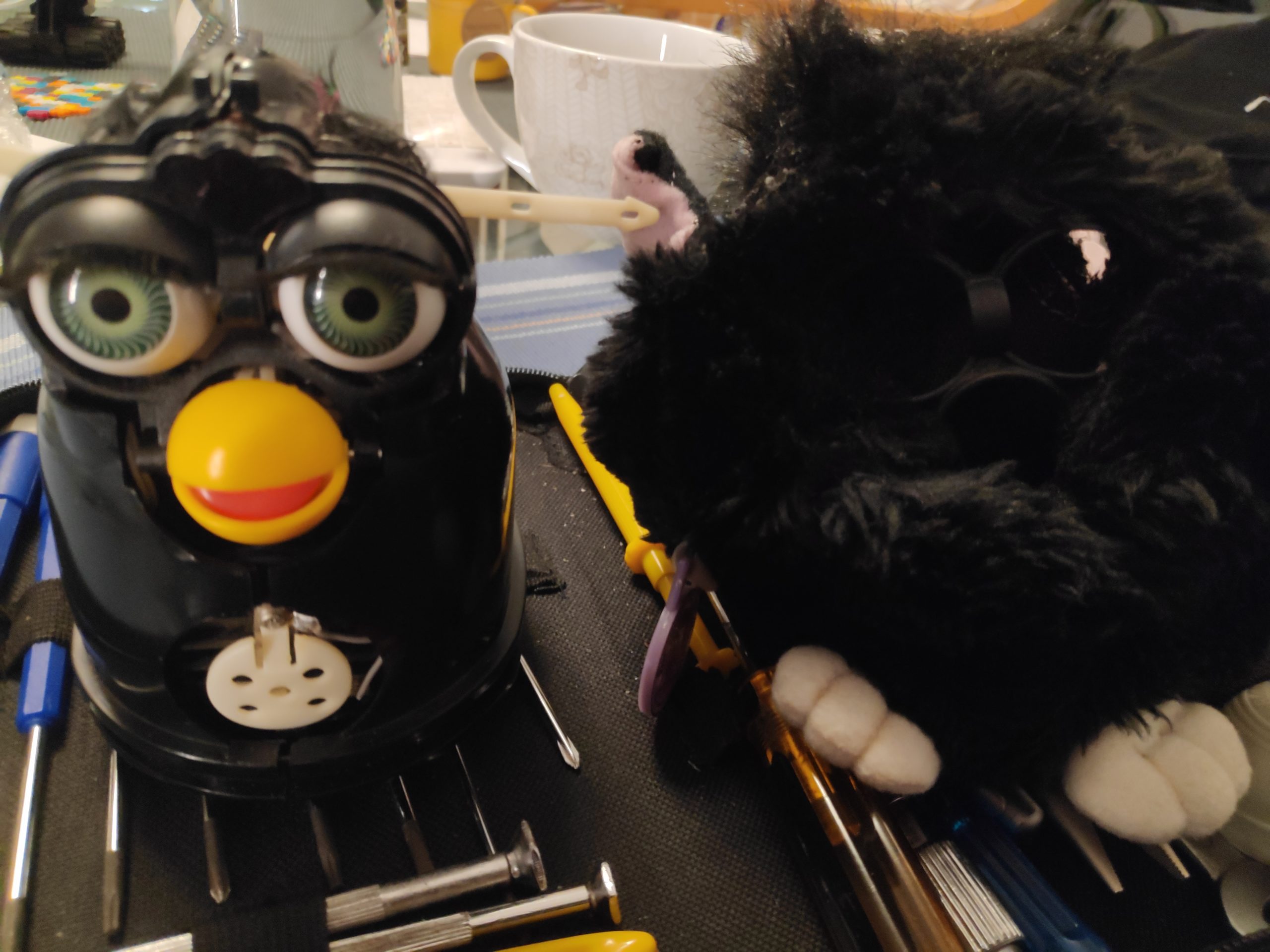
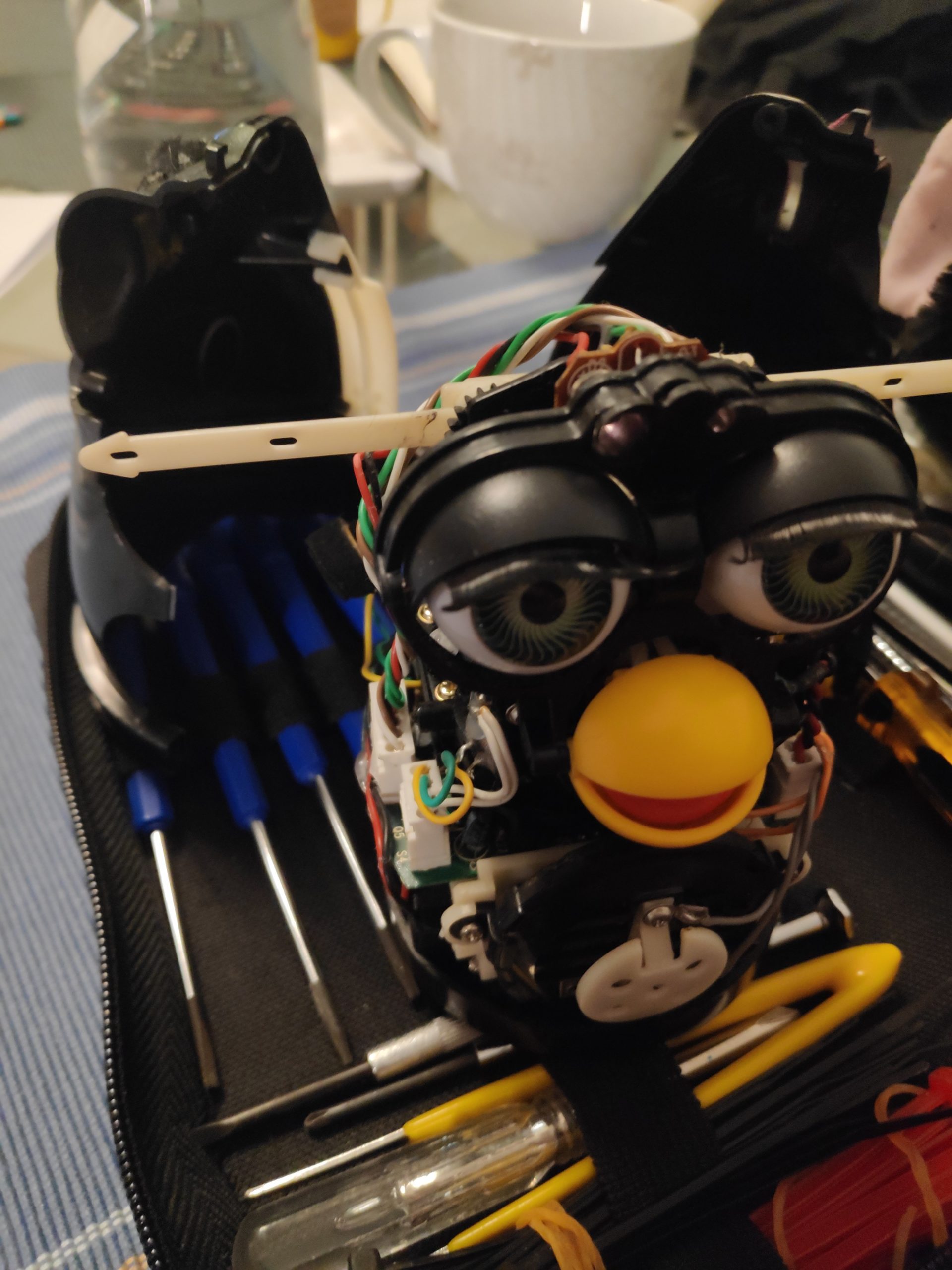
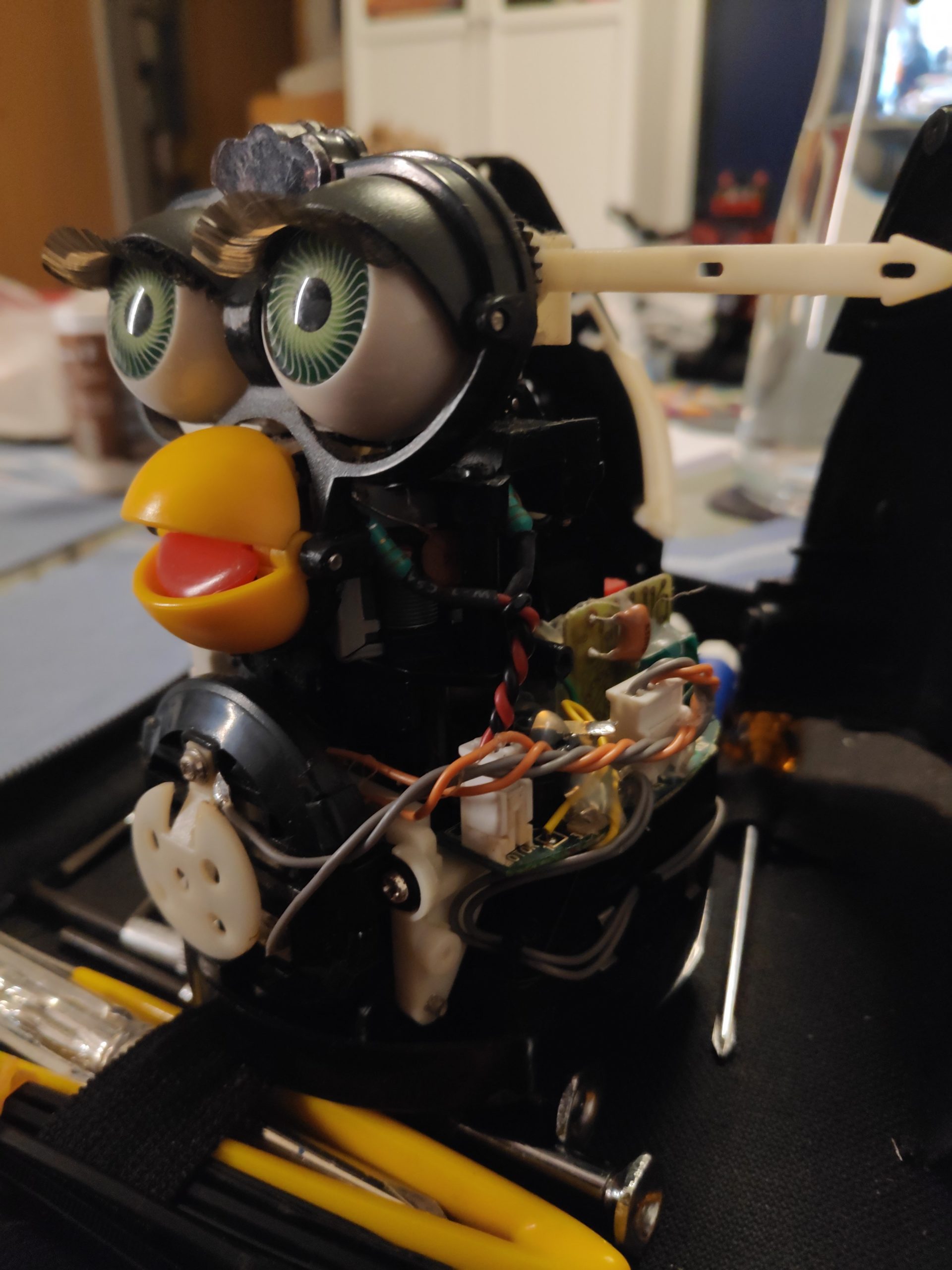
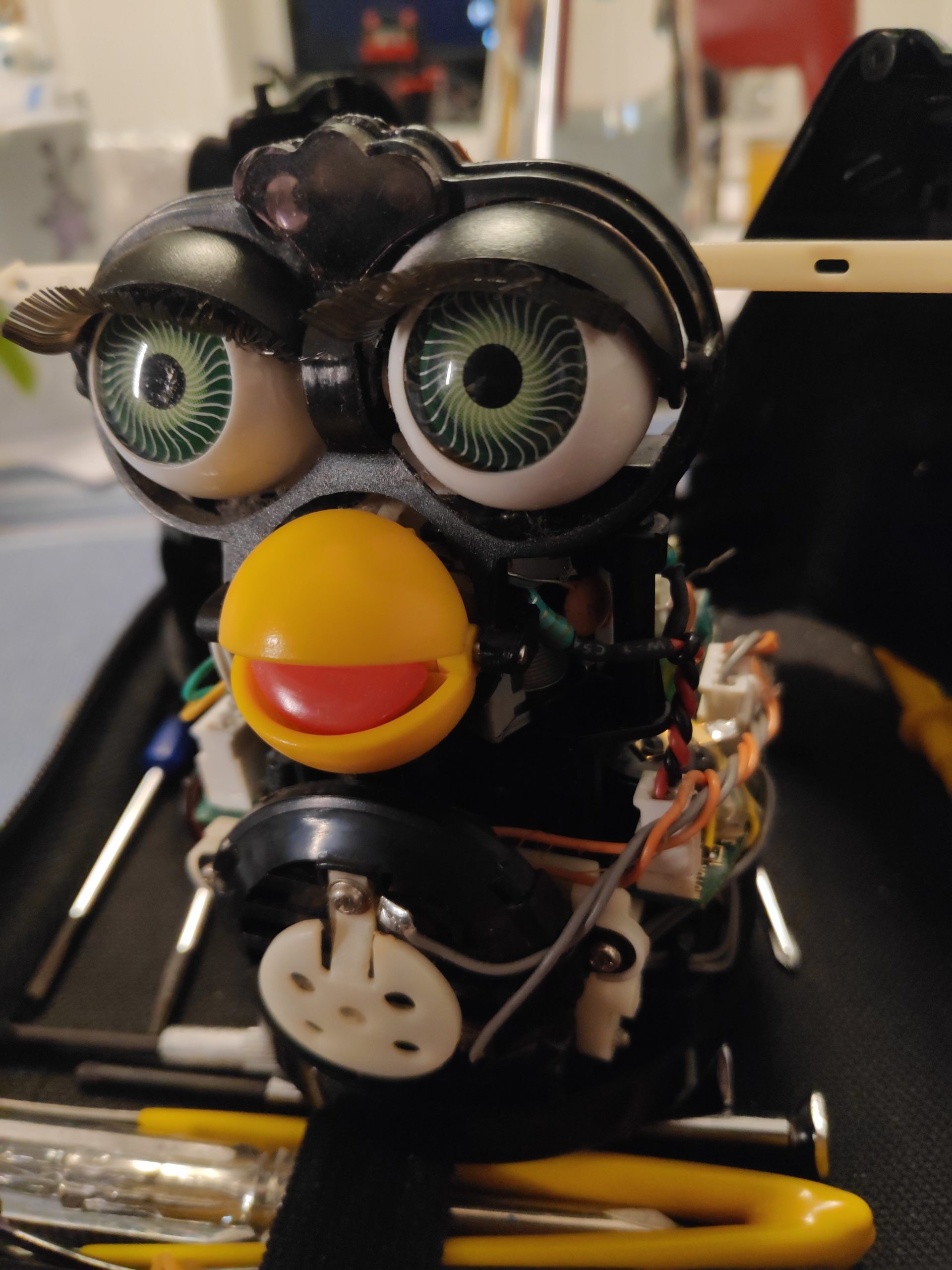
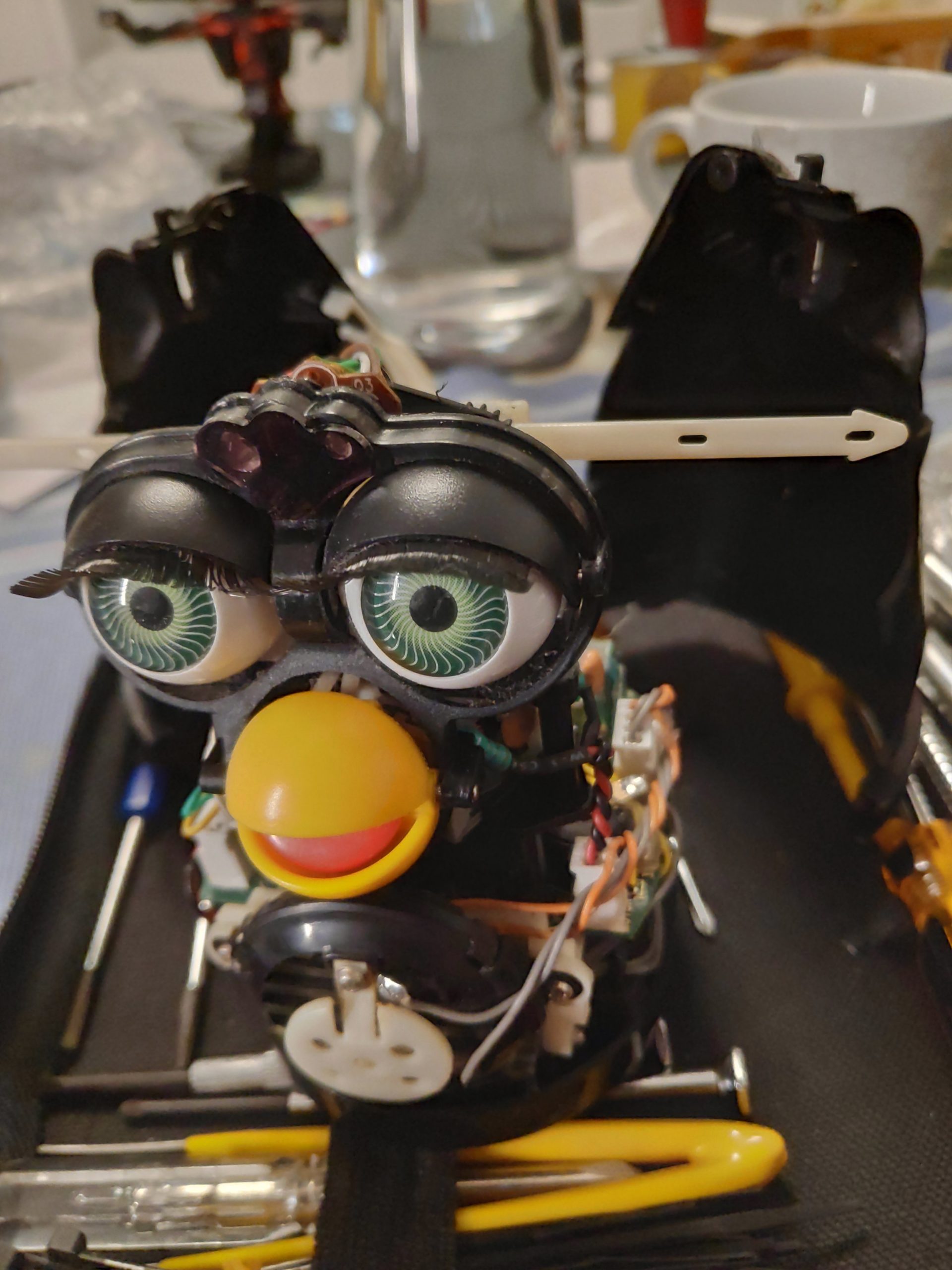
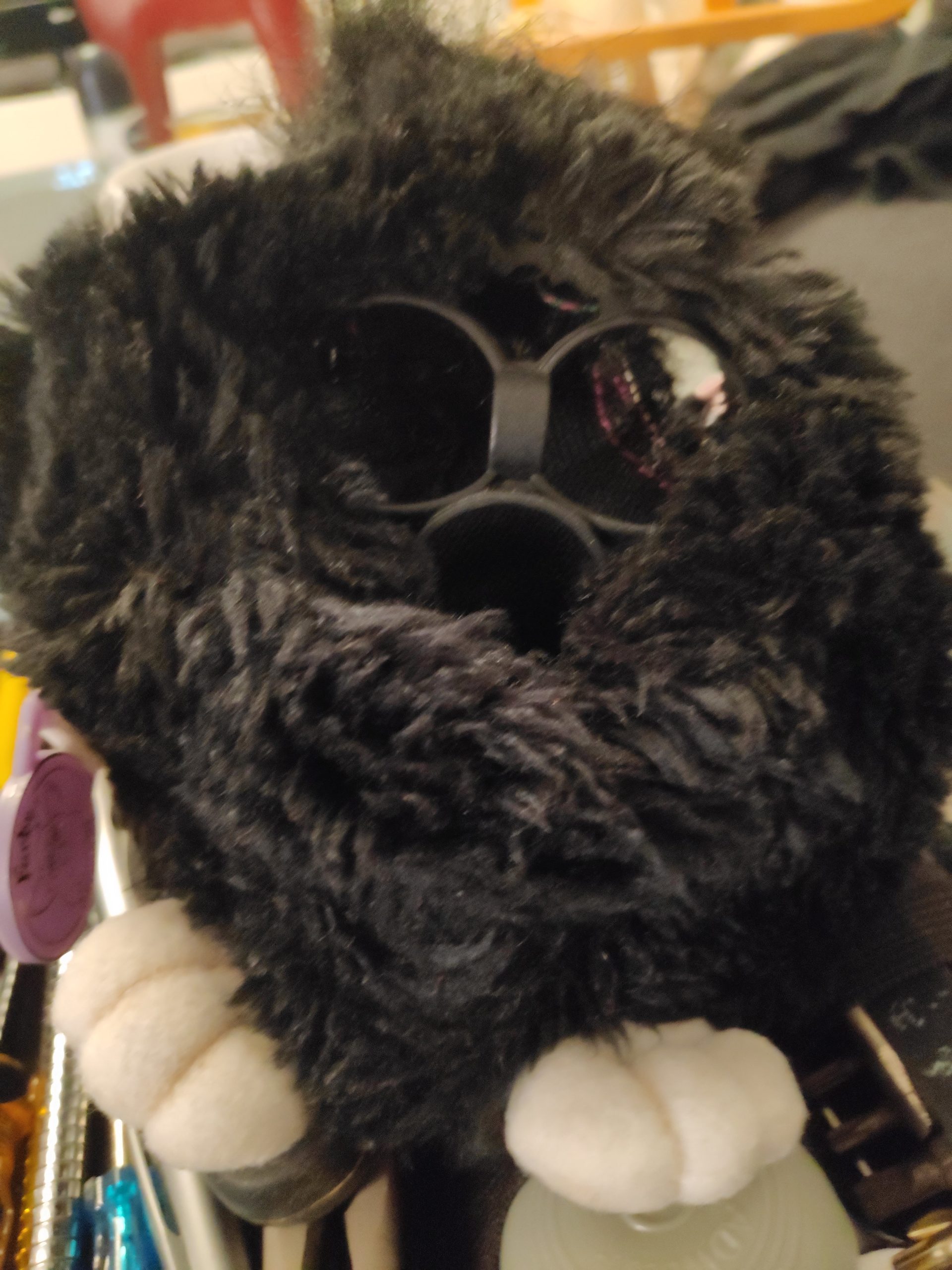
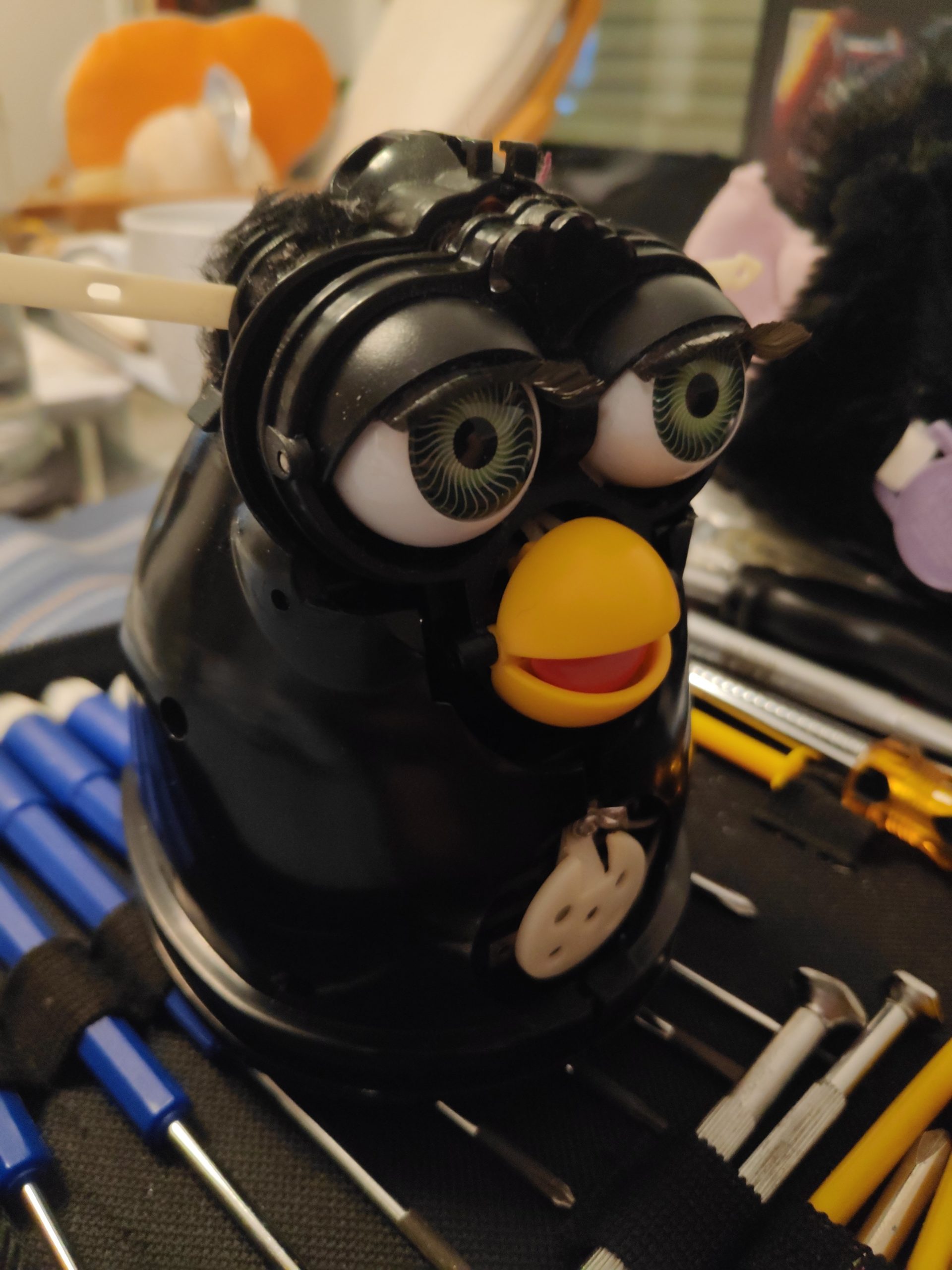
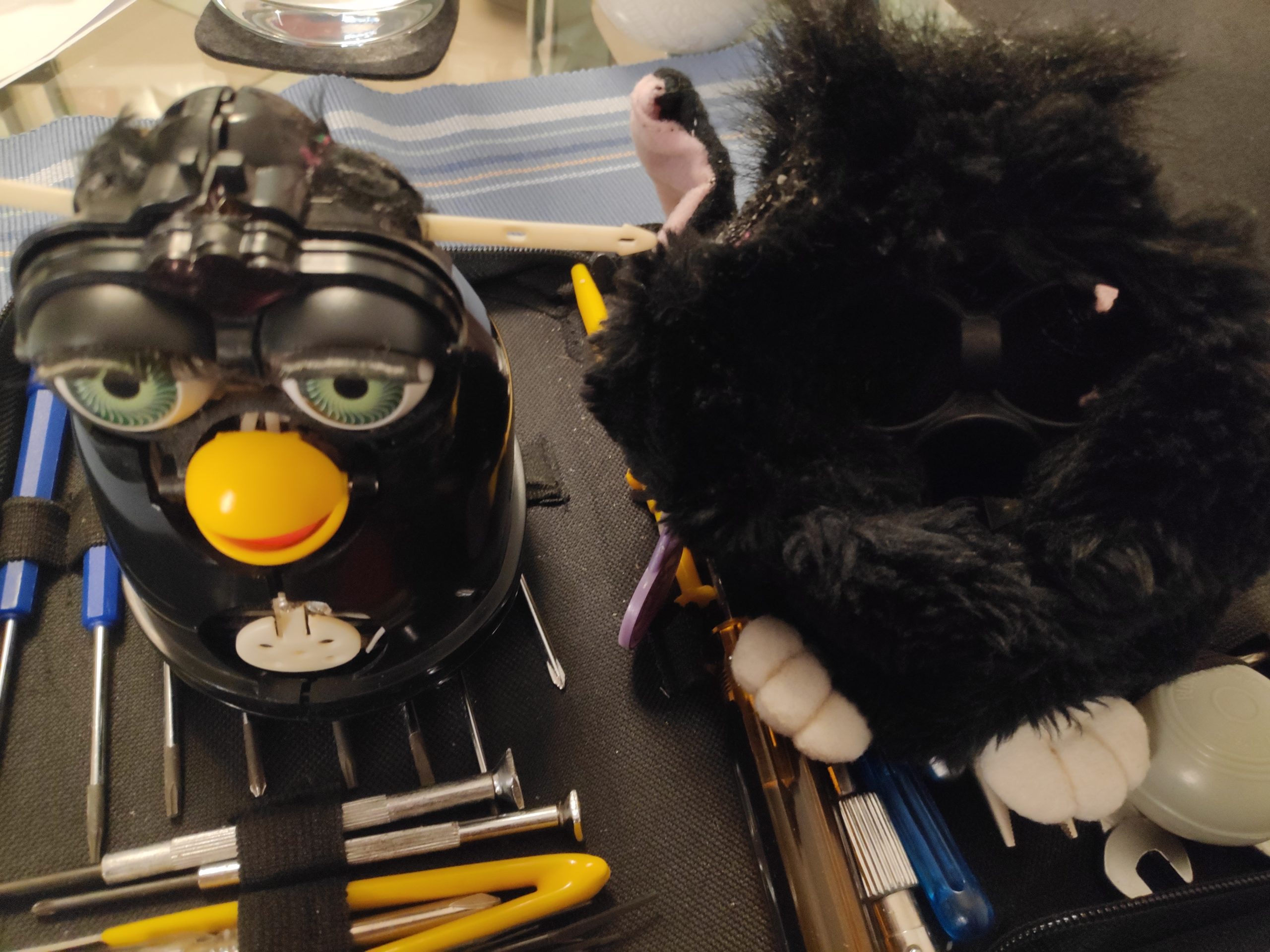
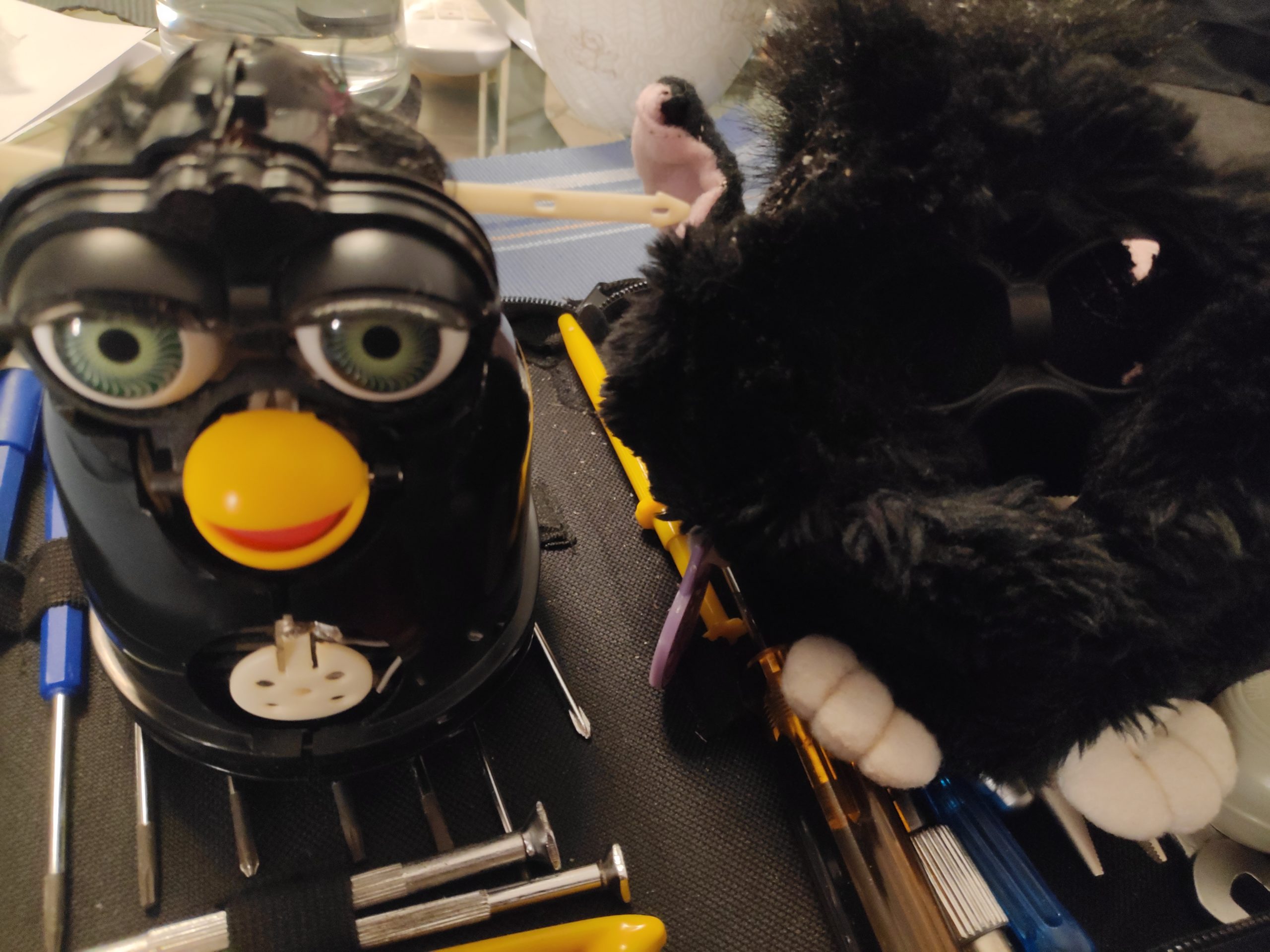
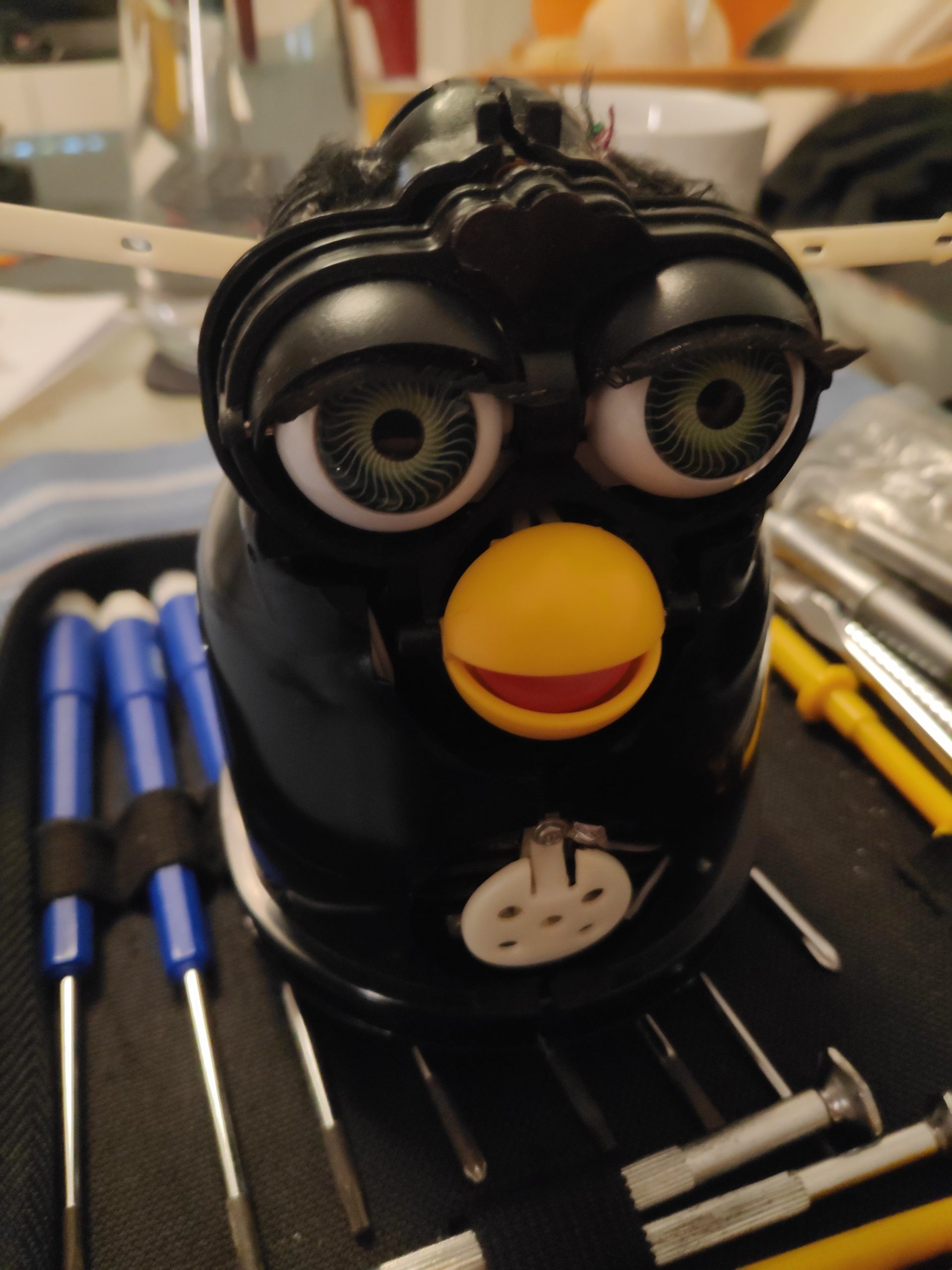
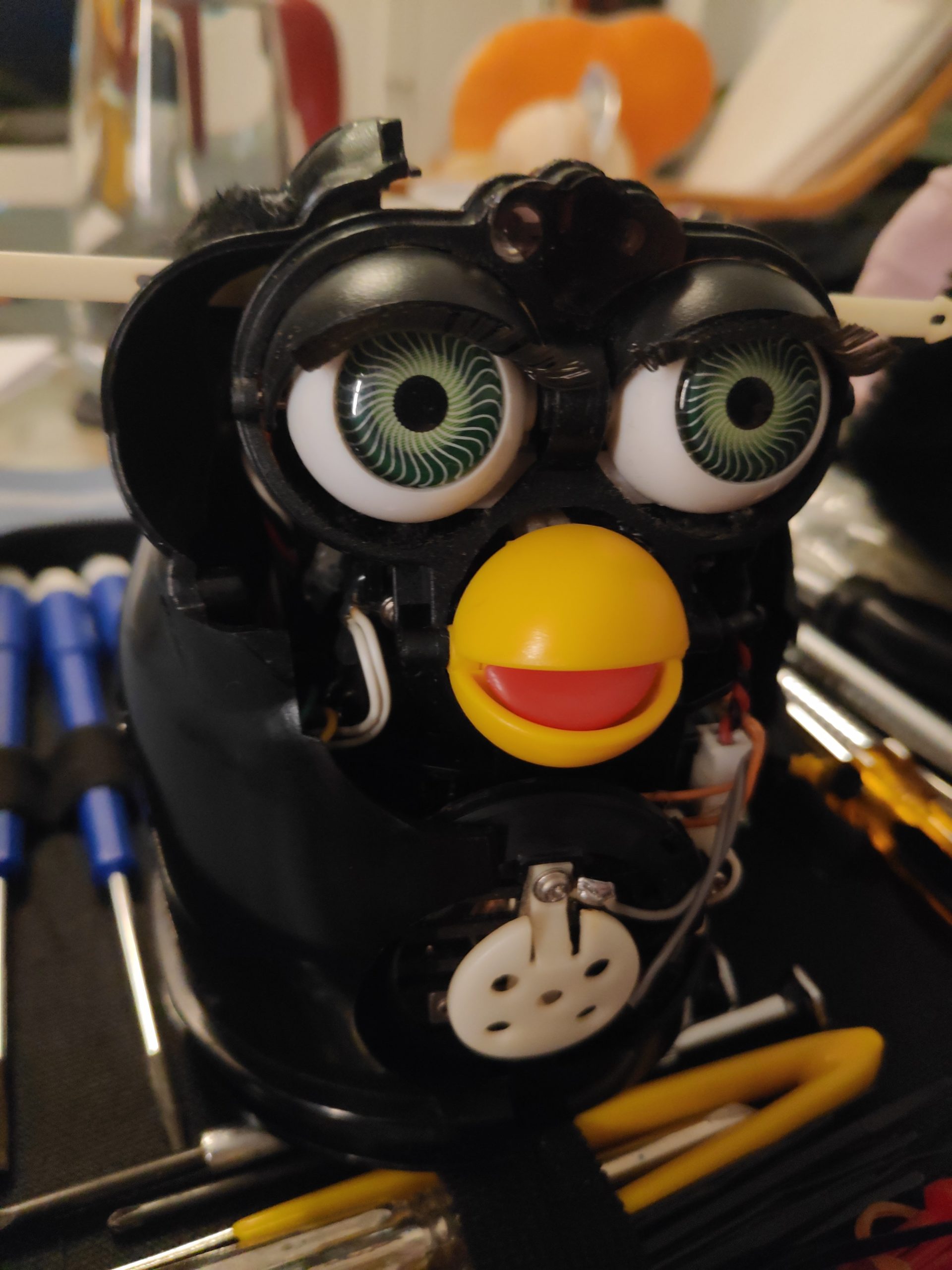
Furby „inside view“

Ever wondered what one of my favorite robot looks like from the inside? Here are some pictures of the first generation Furby with his fur taken off, exposing his electronics and internal components.

Tech Vision: How Boston Dynamics Built The Most Advanced Robot

The following video has been uploaded to YouTube by tech vision. I think it has all the information you need about Boston Dynamics robots and is therefore a must-see.

Call for teams Robothon® The Grand Challenge 2021 // munich_i at automatica sprint 22-24 June 2021

Dear Robothon® Community!


We have great news:


In response to the postponement of automatica 2020, automatica sprint will premiere in a hybrid format (in-person and online) at the Munich Convention Center from 22-24 June 2021.

This event is a contemporary response to the current pandemic situation hosted by the same organizers of the original automatica, Messe München.


The Robothon® itself will take place on-site at the premises of Messe München to ensure a fair competition and will conclude with an award ceremony on Thursday, 24 June 2021.

Be assured, appropriate hygiene measures will be taken and checked regularly!


On behalf of Messe München, automatica and MSRM/TUM, we would like to renew our invitation to you.


Robothon® – The Grand Challenge Series


This year’s event debuts the first competition of a series to occur every other year at automatica to benchmark and showcase robot performance using state-of-the-art platforms.


QUICK FACTS:

What: Robothon® – The Grand Challenge Series – Debut Competition in Robotic Manipulation:

a 3-day event showcasing robotic manipulation to disassemble and sort electronic waste.

Where: automatica sprint trade show at the Messe München Convention Center in Munich, Germany

When: Tuesday through Thursday 22-24 June 2021

Who: All roboticists (academic and professional) are encouraged to apply

Why: Fame, fun,recognition, networking opportunities and cash prizes await selected teams


COMPETITION DETAILS:

– The competition is open to the public and free of charge for the selected teams

– Up to 20 teams can participate (3-5 members per team)

– Teams will have 3 days to develop a solution to the Grand Challenge 2021 using an event sponsored robot platform or teams can apply to bring their own robotic platform

(please find minimum requirements on our website here)

– Final demonstrations will be evaluated by our Grand Challenge Jury on Thursday at noon prior to the announcement of the winning teams.


HOW TO PARTICIPATE:

– Gather a team of three to five people and prepare your team application

– Indicate your preference our sponsored robot platforms you would like to use and why

– OR describe your own robot setup you would like to bring to the fair

– Submit your application until 23:59 CEST 30 March 2021 here


Find more information, apply as a team, platform provider or sponsor on our website at www.robothon-grand-challenge.com


We look forward to your application and are excited to have you join the Robothon® Grand Challenge family!


Selected teams will be announced and contacted mid of April 2021.


Know someone who should participate? Please help spread the word and forward this message to potential teams, sponsors, and platform providers

(e.g. students, robotic experts from academic or professional fields, and automation companies).

‘BATTLEBOTS: BOUNTY HUNTERS’ to launch on DISCOVERY+ with the top robot competitors smashing it out

BATTLEBOTS: BOUNTY HUNTERS’ Premieres Monday, January 4, on the Launch of Discovery’s Streaming Service Discovery+

(LOS ANGELES) – In the BattleBots universe, from the moment you start building a robot, everyone dreams of a chance to fight against the best in the world — the legends that define the sport. Rarely does David get to face Goliath. Until now… BATTLEBOTS: BOUNTY HUNTERS, premiering Monday, January 4 on Discovery+, will bring the top robots from all over America to battle it out against a BattleBots legend in the ultimate robot combat.

In BATTLEBOTS: BOUNTY HUNTERS, the sport has some of the top robot legends including Tombstone, Bronco, Witch Doctor, Son of Whyachi, Beta and Icewave. Each of the them have many knockouts and have smashed countless competitors before them.

In each episode, challengers will compete for the right to become the Bounty Hunter and fight a Legend. The prize: a unique place in BattleBots history, and the major share of a $25,000 cash prize payout in every episode.

Like in the regular season of BattleBots, each episode highlights the design and build of the competing robots and profiles the teams behind them. Competitors come from all types of backgrounds – from families to university students and everything in between. Every machine is homemade and constructed from a variety of materials with custom-built weaponry to destroy the competition.

In addition to watching BATTLEBOTS: BOUNTY HUNTERS on Discovery+, viewers can join the conversation on social media by using the hashtag #BattleBots and following Discovery on Facebook, Twitter, and Instagram. Fans can also use the BattleBots AR filter (WT) on Instagram, Facebook, and Snapchat to share which bot the randomizer selects for them.

BATTLEBOTS remains the most popular robotic combat sport in the world, created by Ed Roski and Greg Munson and now seen in over 150 countries. It is produced by BattleBots, Inc. and Whalerock Industries. Executive producers are Chris Cowan, Edward P. Roski (Trey), Greg Munson, Tom Gutteridge and Aaron Catling. For Discovery Channel, Scott Lewers, Joseph Boyle and Wyatt Channell are executive producers and Paola Espinosa is associate producer.
About Discovery Channel

Discovery Channel is dedicated to creating the highest quality non-fiction content that informs and entertains its consumers about the world in all its wonder, diversity and amazement. The network, which is distributed to 88.3 million U.S. homes, can be seen in 224 countries and territories, offering a signature mix of compelling, high-end production values and vivid cinematography across genres including, science and technology, exploration, adventure, history and in-depth, behind-the-scenes glimpses at the people, places and organizations that shape and share our world. For more information, please visit www.discovery.com.

About Discovery

Discovery, Inc. (Nasdaq: DISCA, DISCB, DISCK) is a global leader in real life entertainment, serving a passionate audience of superfans around the world with content that inspires, informs and entertains. Discovery delivers over 8,000 hours of original programming each year and has category leadership across deeply loved content genres around the world. Available in 220 countries and territories and nearly 50 languages, Discovery is a platform innovator, reaching viewers on all screens, including TV Everywhere products such as the GO portfolio of apps; direct-to-consumer streaming services such as Eurosport Player, Food Network Kitchen and MotorTrend OnDemand; digital-first and social content from Group Nine Media; a landmark natural history and factual content partnership with the BBC; and a strategic alliance with PGA TOUR to create the international home of golf. Discovery’s portfolio of premium brands includes Discovery Channel, HGTV, Food Network, TLC, Investigation Discovery, Travel Channel, MotorTrend, Animal Planet, Science Channel, and the forthcoming multi-platform JV with Chip and Joanna Gaines, Magnolia, as well as OWN: Oprah Winfrey Network in the U.S., Discovery Kids in Latin America, and Eurosport, the leading provider of locally relevant, premium sports and Home of the Olympic Games across Europe. For more information, please visit corporate.discovery.com and follow @DiscoveryIncTV across social platforms.
About Whalerock Industries

Whalerock Industries is a West Hollywood-based production and consulting company founded by Lloyd Braun. Its Whalerock Studios produces highly acclaimed and popular unscripted series, including BattleBots (Discovery), Hyperdrive (Netflix), Savage Builds (Discovery), and Ravi Patel’s Pursuit of Happiness (HBO Max). The company’s award-winning team of producers, digital product developers and marketers has created and operated multiple #1 direct-to-consumer apps and web properties with the world’s most influential celebrities and brands. Fans can join in the conversation by following BattleBots Facebook and Instagram.

Hyundai’s acquisition of Boston Dynamics can reinforce its position in smart mobility, says GlobalData

Hyundai Motor Group has agreed to acquire approximately 80% stake in American engineering and robotics design company Boston Dynamics from SoftBank Group for US$1.1bn.The move can fuel Hyundai’s long-term goal to become a smart mobility solutions provider by leveraging Boston Dynamics’ robots such as bipedal and quadruped equipped with 3D vision, navigation and advanced intelligence, says GlobalData, a leading data and analytics company.

Venkata Naveen, Senior Disruptive Tech Analyst at GlobalData, says: “Hyundai’s move to acquire major stake in Boston Dynamics polarizes with many automakers competing to add their name to the me-too stack of autonomous carmakers by purchasing self-driving tech startups. Moreover, the strategic location of Boston Dynamics in the Silicon Valley gives an advantage to Hyundai to collaborate with tech startups as well as pool the right talent.”

‘In 2013, Google purchased Boston Dynamics to power its core robotic division and eventually create new robotics technologies for commercial applications. But the startup did not meet any commercial success and began losing talent after Google’s restructuring into Alphabet.

In 2017, SoftBank acquired Boston Dynamics to push its smart robotics capabilities. Apart from a few interesting videos of its humanoid and dog-like robots, there was no direct visible benefit to SoftBank.

Naveen continues: “Integrating Boston Dynamics’ robotic technologies with the automotive expertise can strengthen Hyundai’s position in smart mobility, especially in areas such as robo-taxis, personal air vehicles and last-mile mobility.”

The last two years saw both automakers and tech giants ramp up their bets on autonomous vehicles by acquiring startups into self-driving technology. Apple acquired Drive.ai, Amazon purchased Zoox and Daimler snapped Torc Robotics.

Naveen concludes: “In contrast, Hyundai’s acquisition of Boston Dynamics is the first in line of such strategies in the automotive industry to build a smart mobility ecosystem for faster, cheaper and sustainable transportation.”

Cobot-Pioneer enables modern educational didactics

Munich, November 10, 2020 – While more and more manufacturing companies are using collaborative robots, technology has so far been treated as a secondary consideration in vocational training. Current curricula largely ignore the increasing automation. Universal Robots (UR) wants to change this: With UNIVERSAL ROBOTS EDUCATION, the world market leader in collaborative robotics has developed a holistic concept that allows training officers to easily integrate the topic into the teaching process.

„Our new concept makes it easier for training companies and vocational schools to impart relevant automation knowledge in a practical way“, explains Andrea Alboni, Sales Manager D/A/CH at Universal Robots (Germany) GmbH. „We are thus reacting to an acute discrepancy between training content and professional practice. We finally need up-to-date training directly on the robot in order to qualify the skilled workers of tomorrow for working in modern manufacturing contexts“.

Five modules for hands-on learning


UNIVERSAL ROBOTS EDUCATION is a didactically holistic concept. On the one hand, the measures contained in the program pick up both teachers and those responsible for training as well as students by creating the necessary knowledge base on both sides. On the other hand, theory and practice go hand in hand to ensure the greatest possible learning success. Under these premises, the concept is divided into five building blocks:
  • In the free online training courses of the UR Academy, trainees learn the basics of programming.
  • With the help of the offline simulator they practice programming on their PC, on the UR user interface. Afterwards, the created program can be tested on a real Cobot.
  • The hardware learning stations each include a real robot arm on which trainees can safely try out various applications.
  • Teaching materials support the teachers in their lesson planning and offer students the opportunity to deepen their knowledge.
  • In face-to-face training sessions, teachers and training officers train themselves to prepare for teaching with Cobots.

Specialists for the industry of tomorrow


„In many areas of the working world, collaborating robots are already part of the standard inventory today,“ Alboni is convinced. „If companies take this to heart in their training operations, they not only give their trainees a clear knowledge advantage. At the same time, they are investing in their own future, because skilled workers with robotics know-how are increasingly essential for competitive success – now also beyond the manufacturing industry in logistics, trade or the laboratory sector.

Modernizing training in SMEs

With the new concept universal robot addresses itself beside vocational schools also to small and medium-size training enterprises. These companies play a central role in the German apprenticeship system: around 80 percent of apprentices in Germany complete their training there. Thanks to the space-saving, profitable lightweight robotics from Universal Robots, automation is now also affordable for SMEs. The industry pioneer has thus sustainably lowered access barriers. Since entering the market in 2008, Universal Robots has sold more than 46,000 Cobots that make the work of employees in companies around the world easier.

https://www.universal-robots.com/de/education/

Translated with www.DeepL.com