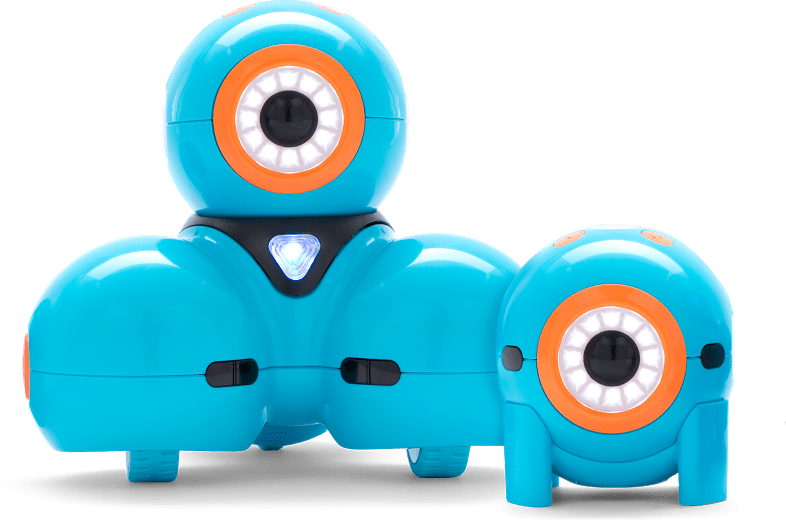
Dash & Dot by Wonder Workshop

Wonder Workshop makes learning to code meaningful and fun for children. Dash & Dot, a pair of robots, combine play and learning for children ages 5 and up. For more information, visit our website at http://makewonder.com.
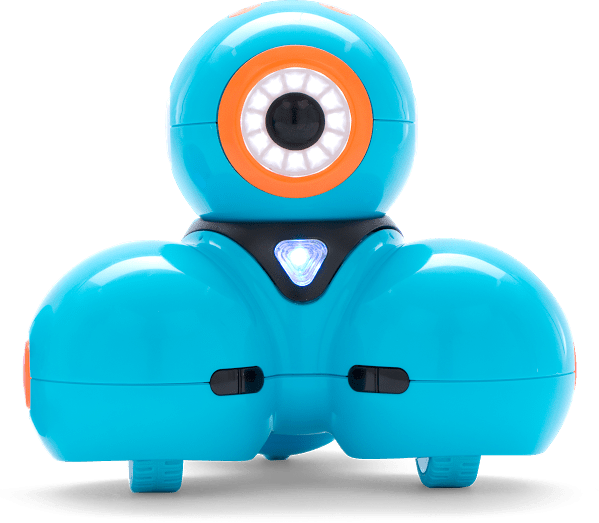
Dash is an explorer.
• Drives around.
• Senses objects in front and behind.
• Hears and responds to sounds.
• Comes to life with sound, lights, and head motion.
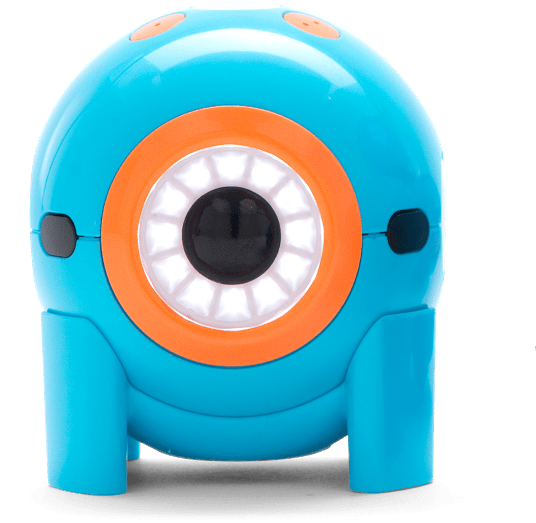
Dot is an instigator.
• Responds to how it is moved.
• Sends a signal for Dash to see where it is.
• Hears and responds to sounds.
• Transforms with sounds, lights, and imagination.

Dash & Dot connect wirelessly over Bluetooth and come with four iPad and Android experiences:

  • Go gets you started and exploring the world of Dash & Dot in no time. Simply connect with Bluetooth and get off and running. This app is a portal for online ideas and content.
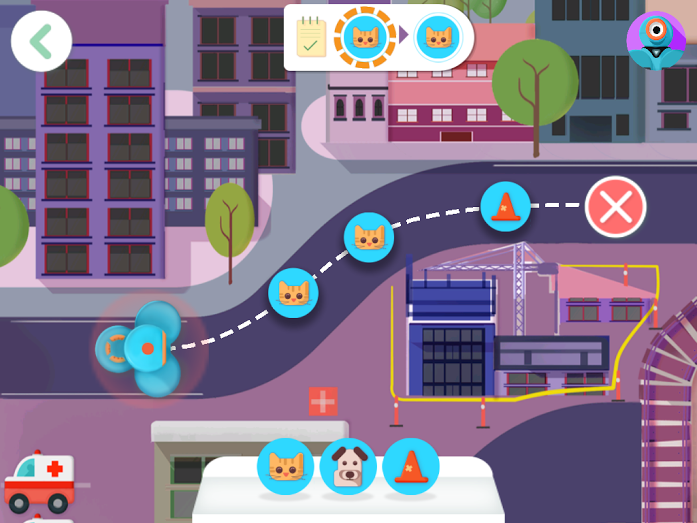
  • Path takes Dash on adventures as kids draw a path for Dash to take. Unlock themes and special animations. This app teaches basic sequencing and event- based programming.
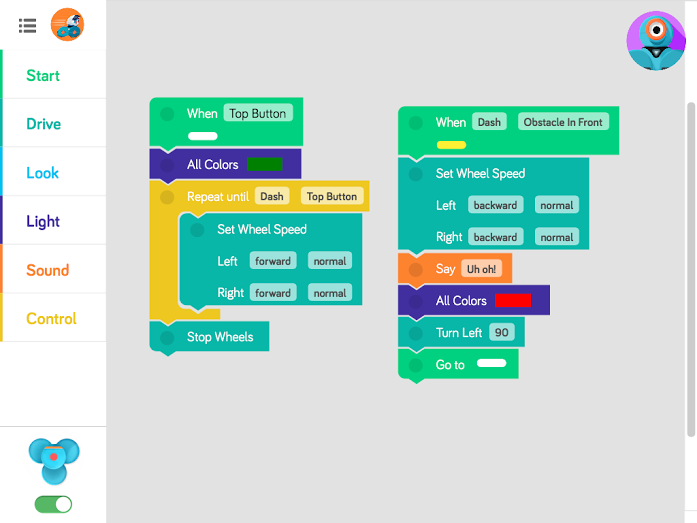
  • Blockly is a visual programming tool that lets kids control Dash & Dot, making them move and interact with each other. This app teaches sequencing, events, conditionals, and loops.
  • Xylo is a music app that uses the xylophone accessory. Compose songs and program Dash to move around while playing music. This app teaches sequencing and loops.
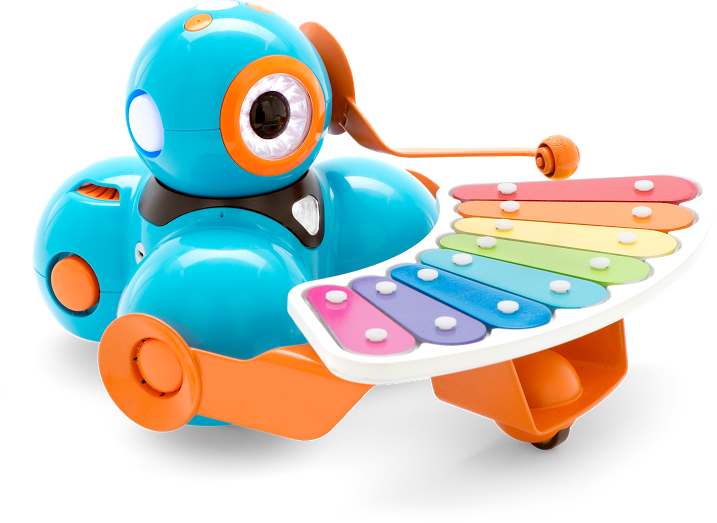
Accessories for Dash & Dot help give them additional looks and abilities. They include a xylophone, a pusher bar, a smartphone mount (to take videos with any smartphone), bunny ears, and a tow hook.
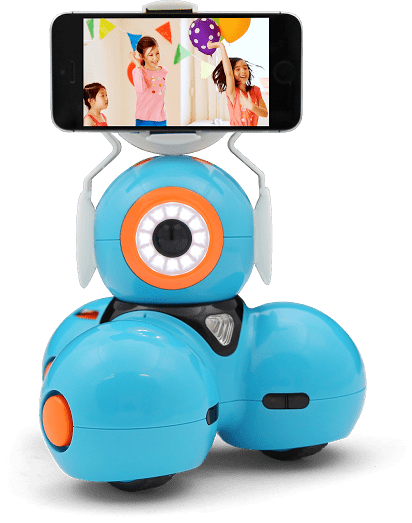
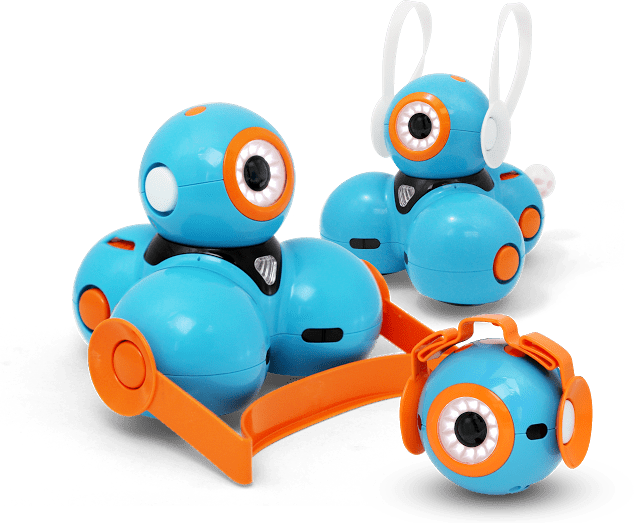
Dash is $199. The Wonder Pack, including all robots and accessories, is $349. They are available for purchase at the Wonder Workshop website here: http://makewonder.com.
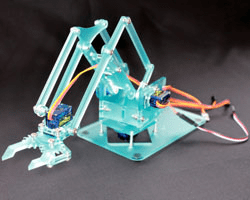
Loughborough University Science and Enterprise Parks partnership helps launch MeArm – a mini robotic arm for the masses

A pocket size robot arm to make robotics, electronics and programming accessible to the masses has smashed its Kickstarter goal.  A miniaturised version of an industrial robot arm, MeArm is simple enough to build and use with primary school children, but also enables advanced levels of robotics education.

Being open-source, MeArm’s entire design and code files are freely available to download so that makers everywhere can share and enrich their knowledge. There are already well over 250 MeArms ‘in the wild’ in every continent except Antarctica.

MeArm can be cut entirely from an A4 sheet of acrylic and built with standard low-cost servo motors. Kickstarter success will enable the launch of the MeBrain, an innovative platform that make it possible to build something low cost ‘with nothing but a screwdriver and enthusiasm’ from May 2015.

In order to bring robotics to the masses, MeArm’s founder and open source enthusiast Ben Gray sought the expertise of Des19ncor, a design consultancy based on Loughborough University Science and Enterprise Parks (LUSEP).

“We saw a great opportunity to help Ben create a viable long term business” said Martin Croft, Des19ncor’s MD, who has since registered MeArm as a new venture in LUSEP’s Innovation Centre.

In addition to the partnership with De19ncor, MeArm has also benefited from the creative expertise in the Studio, the University’s graduate commercialisation hub. Collaboration with the Department of Computer Sciences will strengthen the ultimate goal of MeArm’s widespread adoption by schools, colleges and universities to encourage STEM (science, technology, engineering and mathematics) education.

As support for MeArm builds, a stretch goal to upgrade kits to include hexagonal screws and tools has already been achieved and the project is well on the way to having a wireless support option. Further stretch goals have since been added, including Bluetooth support and app development. “It’s been fantastic to receive such an enthusiastic response for MeArm,” said Ben Gray.  He added, “With even more support, we could create an interface with the credit card-sized computer, Raspberry Pi which is already blazing a path into engagement in STEM education.”

Pixel Pals Educational Electronics Kit – Integrated Learning Tool

Chip – the first in a line of beginner friendly products debuts on Kickstarter

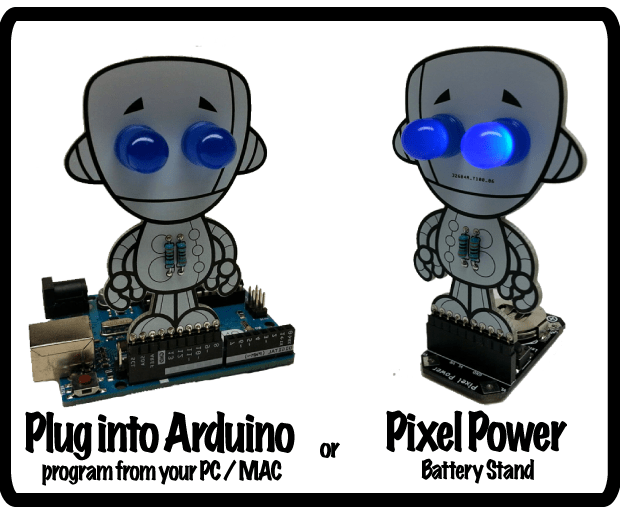
Chip, a Pixel Pals educational electronics kit, is the first in a line of beginner friendly products that goes beyond learning soldering skills. He can be incorporated into Arduino based projects as well as using the Pixel Power board in e-textiles. The kits are designed to be multifunctional, yet affordable.


The first character, Chip featured in this Kickstarter campaign, focusses on LEDs and basic circuitry. Once soldered, it can standalone with the Pixel Power board and serve as a fun toy or light. Chip can also plug into an Arduino Uno Rev 3 or into a breadboard where Chip can be incorporated into more advanced electronic projects or programming lessons.

Soldering Sunday created the Pixel Pals soldering kits to fill the gap between introductory and advanced projects. Each Pixel Pal will focus on a particular electronics component which will require soldering; but are Arduino compatible so that they can be programmed for other projects are used.

The kits are also designed to be affordable for organizations and parents who want to encourage STEAM education but are hindered by the large price tag of many existing educational products. The Kickstarter campaign, if successful, will help keep the production costs down.

Kickstarter is an all or nothing proposition. Soldering Sunday hopes to reach its goal of $2,500 to cover mass production cost of the Chip, Pixel Pal Soldering kit. The project runs from
November 3 to December 3, 2014.

To keep up to date with the project, follow Soldering Sunday on Twitter (@SolderingSunday), Facebook (www.facebook.com/SolderingSunday) or on their website (www.solderingsunday.com)

Also consider visiting the project on Kickstarter (www.kickstarter.com/projects/solderingsunday/chip-an-electronics-kit-with-character) donating $1 on Kickstarter to receive updates.

Dynepic® to Launch Internet of Toys™ Platform & Debut Product on Kickstarter: 15 November

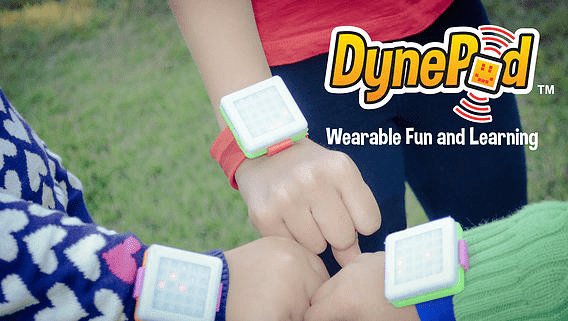
Dynepic® is pleased to debut the future of toys with our premier device, the DynePod™, which will launch 15 November on Kickstarter.com.  DynePods™ operate on The Internet of Toys™ (IoToys), Dynepic’s state-of-the-art open platform designed to share cloud content and connect toys, merging elements of child’s play and technology to enable children to interact with their toys in revolutionary and modern ways.

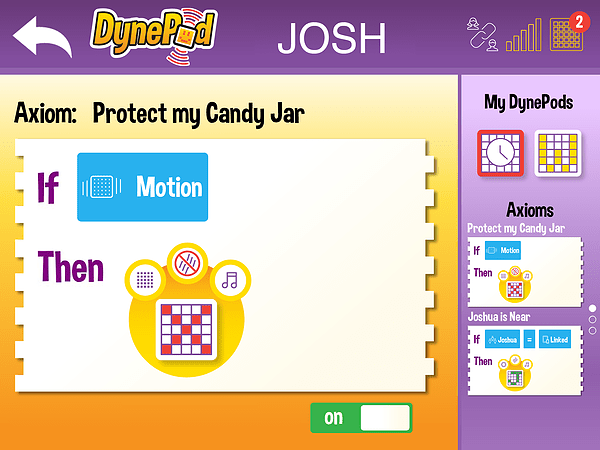
The DynePod™ is an educational, Bluetooth connected toy designed to introduce fundamental concepts of customization, socialization, programming and engineering, by allowing children to create their own interactive programs for their toys. Using a graphical If, Then programming interface, developed under contract with the National Science Foundation, children can create a multitude of unique, useful programs that involve both the digital and physical world.  DynePods™ are modular, fully customizable toys that are compatible with a multitude of self-designed and 3D printed accessories, encouraging the next generation to start innovating.  Enabled by the Internet of Toys™ platform, DynePods™ can morph and grow with the child through cloud updates, as well as connect wirelessly with other DynePods™ and a host of other future toys linked to the platform.

„DynePods™ and The Internet of Toys™ platform will enable new play patterns and encourage open-ended exploration for the future of toys, for children, makers, and toy inventors alike,“ Krissa Watry, Dynepic’s Co-Founder & CEO, comments.  „We hope you will join us by supporting DynePods™ and the Internet of Toys on Kickstarter, 15 November.“ For more information on how Dynepic is working to build the COOL aisle for toys, please visit our website www.dynepic.com or contact us at [email protected]. A Press kit is available.

Founded in 2011, Dynepic® is focused on building cool connected toys and an open architecture and cloud platform to drive child friendly content in new and innovative ways. Dynepic® is a women owned, veteran owned, small business focused on creating the Internet of Toys™.  

Open Roberta – Programmieren ist ein Kinderspiel

Unter dem Motto »Jeder kann programmieren – mit Open Roberta!« stellen Fraunhofer-Experten heute ihre neue, internetbasierte Programmierplattform »Open Roberta« vor. Kostenlos und interaktiv können Schülerinnen und Schüler eigene Programme für Roboter erstellen und mit anderen teilen. Diese offene Lernumgebung soll mehr Mädchen und Jungen für Technik begeistern. Sie entsteht in Partnerschaft mit Google und unter der Schirmherrschaft des Bundesministeriums für Bildung und Forschung BMBF.

Intelligente Roboter, selbstfahrende Autos, Smartphones als Assistenten des Menschen – in unserer Gesellschaft sind digitale Technologien allgegenwärtig. »Um unsere digitale Welt zu gestalten, brauchen wir kluge Köpfe – junge Menschen, die Technik verstehen, Software programmieren und innovative Lösungen finden. Ich freue mich, dass heute dieses spannende und vielseitige Projekt startet«, sagt Prof. Dr. Alexander Kurz, Fraunhofer-Vorstand für Personal, Recht und Verwertung.

Das Projekt erweitert die Fraunhofer-Initiative »Roberta – Lernen mit Robotern«, die Kinder und Jugendliche spielerisch an Naturwissenschaften und Technik heranführt. »Open Roberta verbindet das erfolgreiche, pädagogische Roberta-Konzept mit einer innovativen technischen Lernumgebung, die das Programmieren lernen leicht macht und offen ist für spannende, kreative Experimente«, sagt Prof. Dr. Stefan Wrobel, Leiter des Fraunhofer-Instituts für Intelligente Analyse- und Informationssysteme IAIS. Die IAIS-Experten entwickeln Open Roberta mit Unterstützung von Google. Das Unternehmen hat für das Projekt eine Million Euro für zwei Jahre bereit gestellt. »Google setzt sich seit vielen Jahren und mit vielen Initiativen für die Förderung von Informatik in Bildung und Ausbildung sowie von Open-Source-Software ein. Wir freuen uns sehr, unser Engagement mit Open Roberta auf eine noch breitere Basis zu stellen«, erläutert Google-Entwicklungschef Dr. Wieland Holfelder das Engagement des IT-Konzerns.

Jeder kann programmieren – mit »Open Roberta«

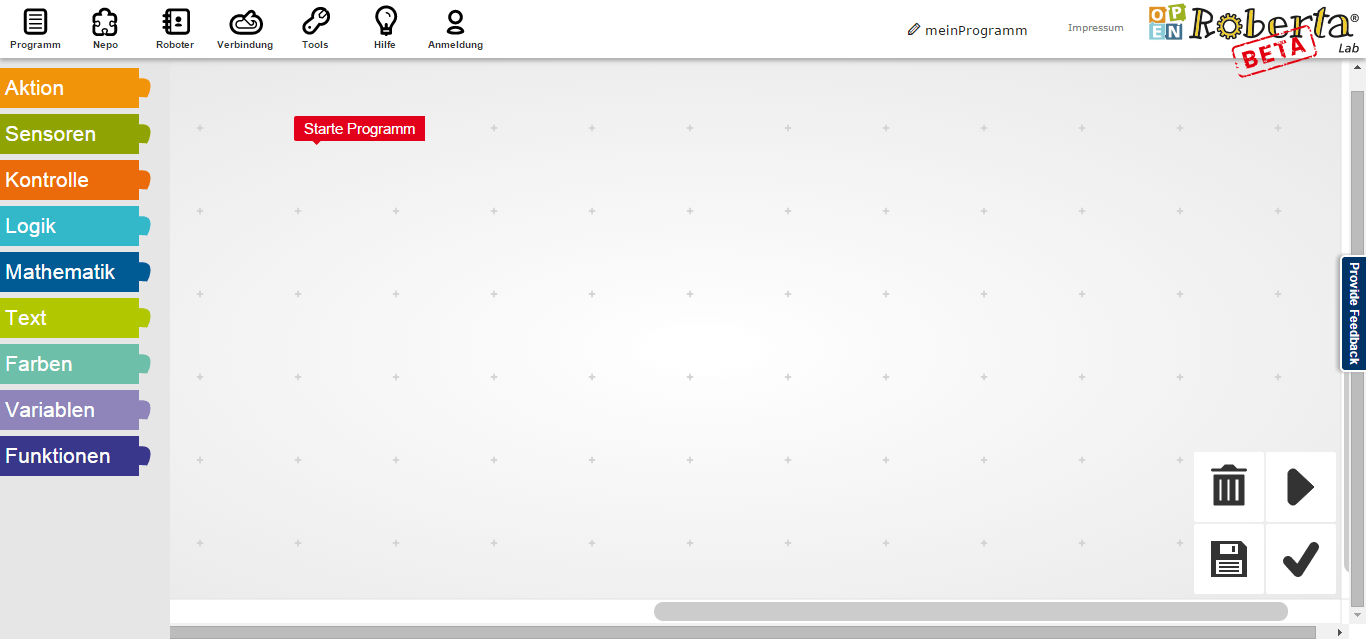
Im Projekt »Open Roberta« entwickeln die Fraunhofer-Forscher eine frei verfügbare, cloudbasierte grafische Software, die Kindern und Jugendlichen mit Spaß und ohne technische Hürden das Programmieren ermöglicht – von ersten Programmierschritten bis hin zur Entwicklung intelligenter LEGO MINDSTORMS Roboter mit vielerlei Sensoren und Fähigkeiten. Dabei spielt es zukünftig keine Rolle, ob man vom Computer, Tablet oder Smartphone aus auf die Plattform zugreift. Sie lässt sich einfach über den Internetbrowser aufrufen, speichert die geschriebenen Programme in der Cloud und macht aufwändige Software-Updates überflüssig. Davon profitieren besonders Schulen, da deren IT-Wartung häufig mit großem administrativem Aufwand verbunden ist und viele Einrichtungen oftmals nicht über ausreichende Mittel für leistungsstarke Rechner verfügen. Die internetbasierte Software wird es auch ermöglichen, sowohl in der Schule als auch zuhause an eigenen Programmen zu arbeiten, sie mit anderen zu teilen und sie unabhängig von Ort und Zeit gemeinsam weiterzuentwickeln. Für Lehrkräfte stehen demnächst Tutorials für die Arbeit mit Open Roberta bereit, die auf die unterschiedlichen Interessen von Mädchen und Jungen eingehen.

Der Nachwuchs von heute programmiert für den Nachwuchs von morgen

Die Open-Roberta-Software ist zur Zeit im Beta-Stadium und wird Open Source weiterentwickelt. Im nächsten Schritt beziehen die IT-Experten vom IAIS Lehrkräfte, IT- und Bildungsexperten aus dem Roberta-Netzwerk sowie Hochschulen und ihre Studierenden aktiv in die Entwicklungsarbeiten ein. »Somit stärkt das Projekt gleichzeitig die Zusammenarbeit mit Hochschulen und fördert die praktische Programmiererfahrung von Studierenden«, erläutert Wrobel. Mitte 2015 wird die Software ohne Einschränkungen für alle zugänglich sein und sich zum Beispiel um die Programmierung weiterer Robotersysteme erweitern lassen. Sowohl die Software als auch die Open-Source-Entwicklertools stehen über Fraunhofer-Server bereit. Zudem können Schülerinnen und Schüler aus ganz Deutschland über Ideenworkshops und Wettbewerbe aktiv die Open-Roberta-Programmierumgebung mitgestalten.

Im Kontext von Open Roberta führt das Fraunhofer IAIS auch seine langjährige Zusammenarbeit mit LEGO Education fort. LEGO Education stellt 160 Roberta-Baukästen für die weitere Verbreitung von Open Roberta in den Bundesländern zur Verfügung. In Zusammenarbeit mit der Initiative »Jeder kann programmieren. Start Coding« und der Initiative D21 stellen die Kooperationspartner ihr Projekt am 4. November 2014 in Berlin erstmals der Öffentlichkeit vor.

Die Initiative »Roberta – Lernen mit Robotern«

»Roberta – Lernen mit Robotern« ist ein Bildungsprogramm, das Kinder und Jugendliche bereits seit über zehn Jahren für Naturwissenschaften und Technik begeistert. Es wurde 2002 durch das IAIS und mit Förderung des BMBF ins Leben gerufen. Jährlich erreicht die Roberta-Initiative in über 800 dokumentierten Roberta-Kursen mehr als 30 000 Kinder und Jugendliche. Ein umfassendes Schulungskonzept sowie gendergerechte Lehr- und Lernmaterialien unterstützen Lehrkräfte dabei, naturwissenschaftlich-technische Themen spielerisch zu vermitteln. Regionale RobertaRegioZentren sowie zertifizierte Roberta-Teacher bilden ein europäisches Netzwerk für den Erfahrungsaustausch und die Weiterentwicklung des Roberta-Konzepts.

Weitere Informationen:

www.open-roberta.org

www.roberta-home.de

www.google.org

education.lego.com

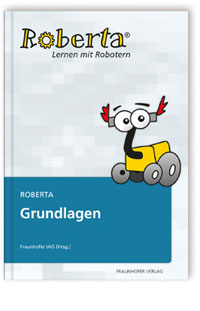
Der neue Roberta-Grundlagenband ist da!

Dieser Band stellt das Roberta-Konzept vor und enthält Grundlagen zur Planung und Durchführung von Roberta-Kursen. Dazu gehören insbesondere didaktische Hinweise zur gendergerechten Kursgestaltung. Explizit werden die beiden Roboter-Baukastensysteme LEGO MINDSTORMS NXT und LEGO MINDSTORMS EV3 vorgestellt. Des Weiteren gibt das Buch einen Überblick über den Einsatz und die Verwendung von Robotern in der heutigen Gesellschaft. Aufgrund der zahlreichen Aufgabenstellungen mit unterschiedlichem Schwierigkeitsgrad, bietet dieser Band gerade für Lehrkräfte viele Anregungen zur Gestaltung eigener Roberta-Kurse. Alle im Buch enthaltenen Aufgabenstellungen folgen dem langjährig erprobten Roberta-Konzept und können kostenfrei auf dem Roberta-Portal heruntergeladen werden.

Link zum Shop

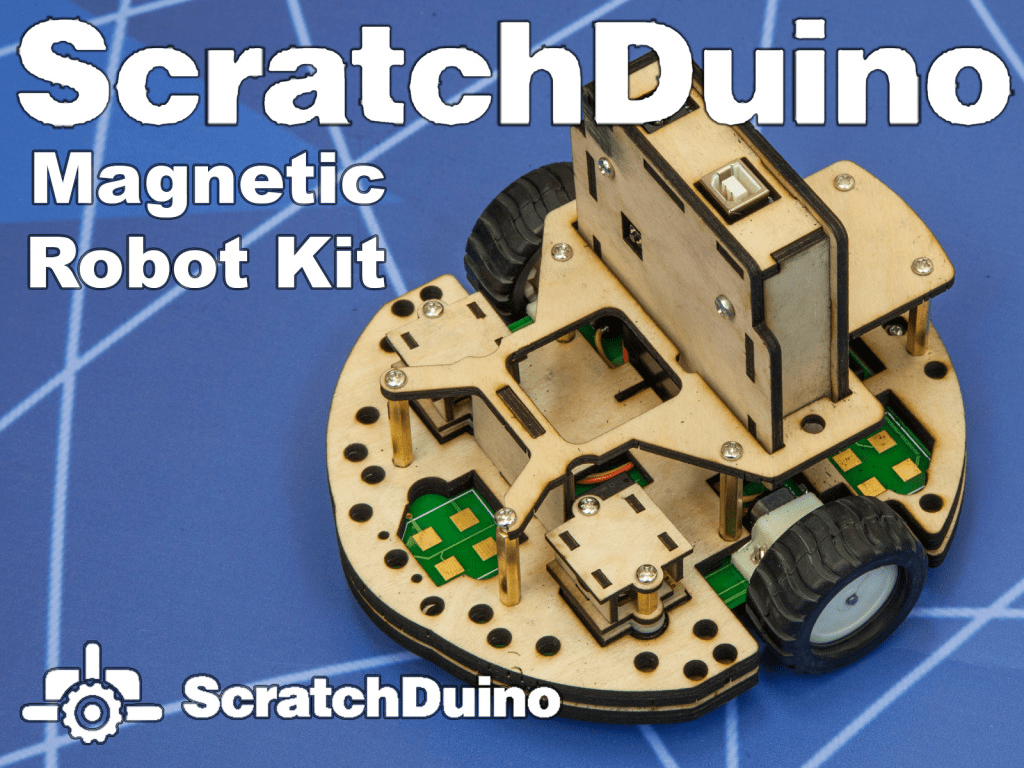
Scratchduino is going to Kickstarter!

ScratchDuino, the Programmable Magnetic Robots Construction Kit is going to Kickstarter.

Mezon.Ru, a winner of Google Rise Awards 2013 and 2014, is proud to announce the launch of  kickstarter campaign for their programmable magnetic robot kit ScratchDuino. The goal is to raise$105,000 by October 24, 2014, and to start the serial production of ScratchDuino robots construction kits in Finland.

Being completely open source, the ScratchDuino robots construction kit allows users to assemble robots utilizing the original set of parts, to modify their robots in a various ways, to program AI, and to share their modifications with STEM robotics community all over world.

Kickstarter project set of rewards includes the robot kit with different versions of body, educational class kit with master class included, all blueprints and assembly schematics (on usb flash and downloadable) for those backers, who would like to create ScratchDuino from scratch completely.

More information about the ScratchDuino robots construction kit can be found here: https://www.kickstarter.com/projects/scratchduino/scratchduino

Big September for STEM Toy Startup TROBO: Kickstarter Launch, ABC Kids Expo and Maker Faire Orlando


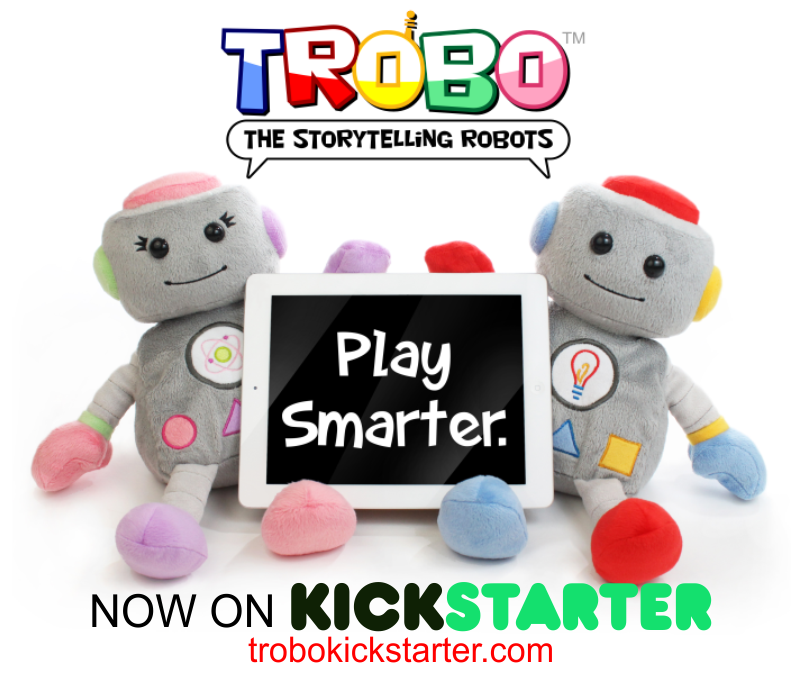
TROBO-NowOnKickstarter-2

ORLANDO, Fla. – It’s a big month for TROBO the Storytelling Robot as the company launches its Kickstarter campaign and participates in both the ABC Kids Expo in Las Vegas and Maker Faire Orlando.

Created by two dads, Jeremy Scheinberg and Chris Harden, TROBO is a huggable stuffed robot toy and storytelling app that answers kids’ questions about the science and engineering around them.

The plush storytelling robot, TROBO, uses an interactive storytelling app to read out loud and engage children ages 2-7 through an iPad. They currently have 2 characters…a male TROBO, Edison and a female TROBO, Curie.

“TROBO’s mission is more than just child’s play,” stated Scheinberg. “The goal is to get kids excited about science, technology, engineering and math (STEM) in the world around them through exciting and creative story lines that make the child the star of the story.”

TROBO’s Kickstarter campaign launched on Wednesday, September 3rd and raised 1/3 of their $60,000 goal in the first 24 hours. The campaign will fund the first round of manufacturing and complete development of the storytelling application. The campaign – which is accessible at www.TROBOkickstarter.com – aims to appeal to parents and grandparents looking for smarter toys for children.

The company will also be appearing at the ABC Kids’ Expo September 7-10 at the Las Vegas Convention Center where they were accepted into the show’s “Invention Connection” pavilion for innovative juvenile product startups. “We are really excited to meet with toy buyers from all over the world to get more feedback which will help us bring TROBO to market,” said Scheinberg. TROBO will be exhibiting at the show at booth #35 in the Invention Connection.

Rounding out a busy few weeks, the company will also be exhibiting at Maker Faire Orlando at the Orlando Science Center September 13-14. “We have had such great support from the Orlando community since we created TROBO. It will be great to show our product to people who have followed us since the beginning,” said Harden.

So how do two Central Florida fathers invent and prototype this amazing technology toy?
Scheinberg and Harden both have backgrounds in engineering and storytelling.

Jeremy Scheinberg was the Chief Operating Officer at Alcorn McBride, the leading manufacturer of audio, video and control products for themed entertainment with clients including NBC, Universal, Lego and Disney.

Chris Harden was a Development Director with EA Sports, managing the User Experience core technology group for the label and has a history in film and comics.

For more information visit www.HereComesTrobo.com

$40 robot has a shot at Kickstarter crowdfunding

Robotics company, Microbric has done the impossible by developing Edison a small
robot with an amazing array of sensors for under $40, making it the most affordable educational robot in the market. Edison was launched today on Kickstarter. This small yet feature packed robot is set to revolutionise how robotics and programming are taught in schools thanks to its easy to use drag and drop programming software, modular design and intelligent sensors that react to light, sound and remote commands. Its unique design and compatibility with LEGO products lends itself to creativity – the seed of fun robotics to inspire the inventors of tomorrow.

Edison was created to make robotics more accessible to students and hobbyists alike and is the brainchild of Brenton O’Brien, himself an electronics engineer with a passion for robotics. For over 10 years his company, Microbric, has been creating educational robots for hobbyists but his dedication to bringing robotics into mainstream education paid off when the Australian Curriculum changed in January to specifically include robotics within the Digital and Design streams.

‘I realised that my goal was within reach but that the main obstacle to bringing robotics into every classroom was the cost of buying kits for schools with already tight budgets. So I created Edison with the functionality of a much more expensive robot, at a fraction of the price,‘ Brenton said.

But, whilst Brenton’s dream may be within reach, it’s still not a reality until the funding goal on Kickstarter is met and the capital is raised to manufacture Edisons en masse.

Microbric’s Edison Kickstarter campaign seeks to raise $20,000 in 30 days via the crowdfunding website Kickstarter. If they meet their goal, the funds raised will foot the manufacturing bill of an initial production run of robots, which will then be sent to backers wherever they are in the world. If you’re interested in supporting Microbric’s campaign, visit the Meet Edison Kickstarter page. If you want to follow the journey of Edison from idea to reality, track the project’s progress on Facebook, Google+ and the Edison website (www.meetedison.com).

Crowdfunding is an increasing trend in fund raising for new initiatives. It involves the collection of finance from backers to fund a project. Crowdfunding is expected to completely transform venture capital over the next decade.

“We are launching Edison on Kickstarter because we wanted to give people the chance to be part of something that will change the way our children learn about robotics in mainstream education,’ Brenton said

“Now, every child in Australia can learn about robotics and the importance of technology to their future careers. I’m really excited about this launch and hope that parents and teachers alike will back Edison.’

Microbric is a small Adelaide based company which has worked with the Adelaide Advertiser newspaper in producing two collectable robots and initially selling its robots through Dick Smith Electronics. Now, creating all types of robots for over 10 years nearly 100,000 Microbric robots have been manufactured and sold in Australia and overseas. Microbric anticipates that Edison will be its most successful robot yet.

http://www.meetedison.com

BlocksCAD Teaches Children Math and Programming while they Design their Own Toys

Have you ever discovered that you can’t find the exact toy your child wants? Your daughter loves robots, but she wants them to be pink. Your son wants a length of track for his race car set that doesn’t exist. Your nephew loves elephants and wants his own My Little Elephant set.
You could find someone with a 3D printer and a good grasp of CAD to design a novel toy for you.

But why do that when you can let creative children do it themselves?

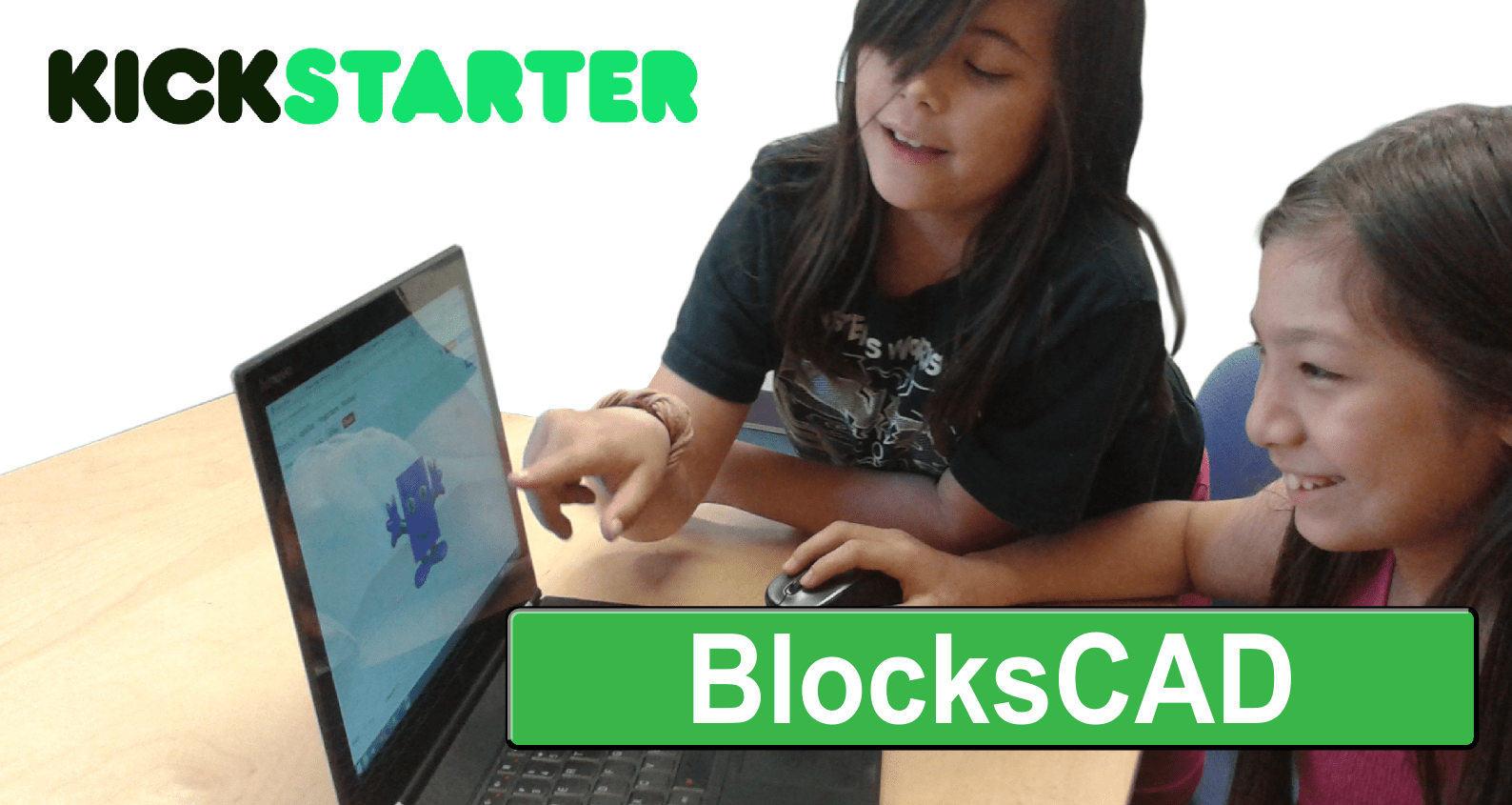
BlocksCAD, a new application  developed by Einstein’s Workshop, helps children as young as eight to design and create their own toys.
Einstein’s Workshop launched a Kickstarter campaign on September 6, 2014, to fund further development and release it under an open source license, free to everyone, everywhere.

BlocksCAD uses a simple drag-and-drop interface to create designs for 3D objects. It offers basic geometric shapes: cube, sphere, cylinder, cone, etc. Kids can combine these shapes to create their own unique toys. They assemble the building blocks of the object, like snapping together LEGO or assembling a jigsaw puzzle. The interface is so simple, even third-graders can use it.

Students have used BlocksCAD to create a wide range of objects, from doll furniture to Daleks, snowmen to strategy game pieces, rings to rocket ships. Annie, 10, is designing a table. She opens BlocksCAD and selects a rectangular block, thin and flat, to form the tabletop. She drags in another rectangular solid and makes it long and skinny – a table leg. Then she copies the leg three times and positions them to support the table. She saves her design and sends it off to a nearby 3D printer. Soon, the table is finished, three inches tall, just right for her dollhouse. She turns back to the computer and begins to design a chair.

Einstein’s Workshop, a STEM education startup in Burlington, MA, developed BlocksCAD to address a specific need. “We were seeing a lot of demand for 3D printing classes for younger children,” says Rebecca Rapoport, COO and co-owner of Einstein’s Workshop. “When we tried it out, we found that kids younger than fifth or sixth grade really struggled.
“On our staff, we have some talented developers who are also educators and experienced fabricators. So when we saw a need for software that’s easy for younger students to use, we did exactly what we encourage our students to do: we built it ourselves.”

“It’s a wonderful way to teach the practical side of math,” says Creative Director Katy Hamilton. “We can tell students that variables are useful, or how to describe a parabola, or we can give them real, concrete reasons to learn these concepts.”
The development team think BlocksCAD could be useful in schools and makerspaces everywhere.
“That’s one of the reasons we chose to do a Kickstarter,” says Henry Houh, president and founder of Einstein’s Workshop. “Not just to raise funds to make this application even better but also to get the word out that it’s going to be open source and freely available to the public.”

Einstein’s Workshop hopes to raise at least $42,000 by October 4, 2014. They offer a wide range of rewards to contributors, from T-shirts and 3D-printed models of the BlocksCAD mascot, The Blockhead, to a training class anywhere in the continental U.S. To support BlocksCAD, please visit the Kickstarter page at http://www.einsteinsworkshop.com/blockscad