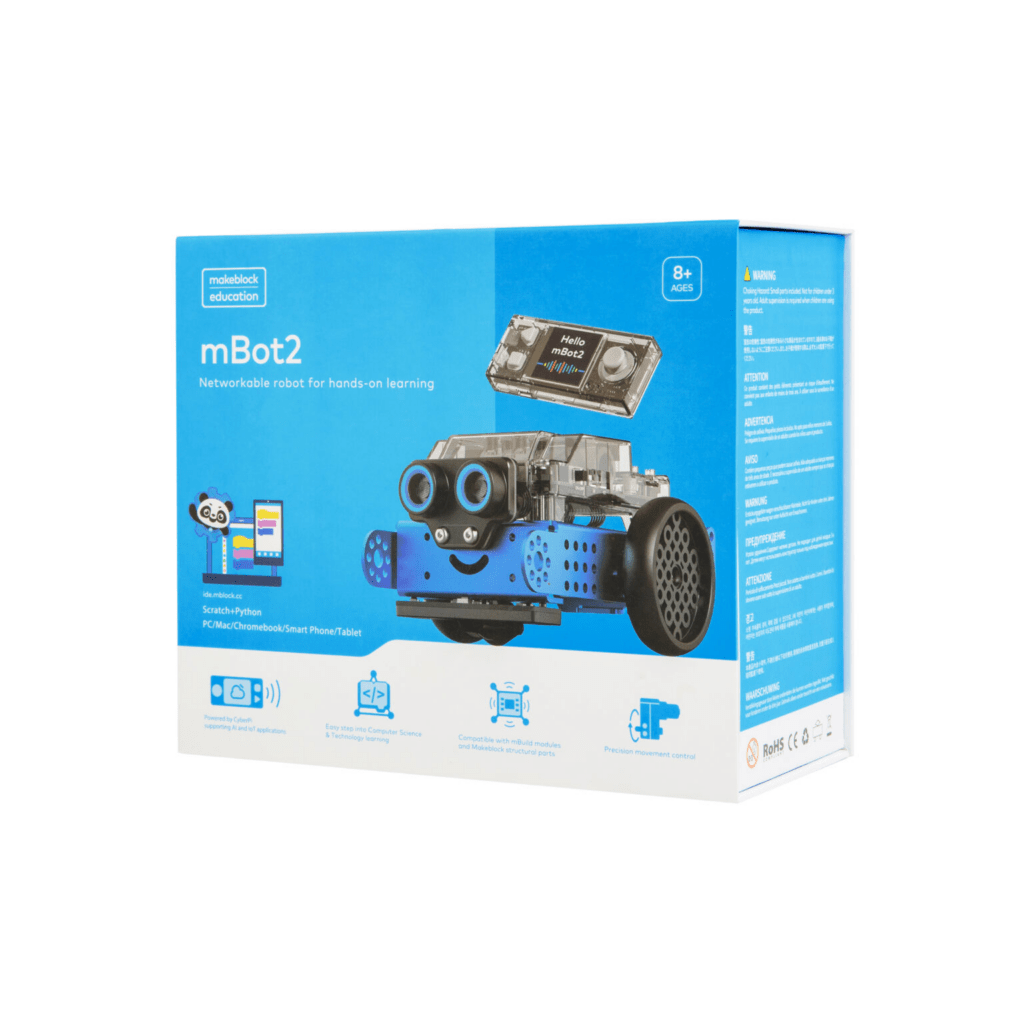
Thanks to AI, the new educational robot MAKEBLOCK mBot2 can even be controlled via facial expressions and reproduces feelings

The mBot2 programming robot replaces the globally successful mBot1 after 8 years and inspires with state-of-the-art sensor technology, new motors and a brand new AI control board in a familiar design. For children, teachers and tinkerers who want to learn more about computer science, STEM, IoT, AI and block-based coding through play

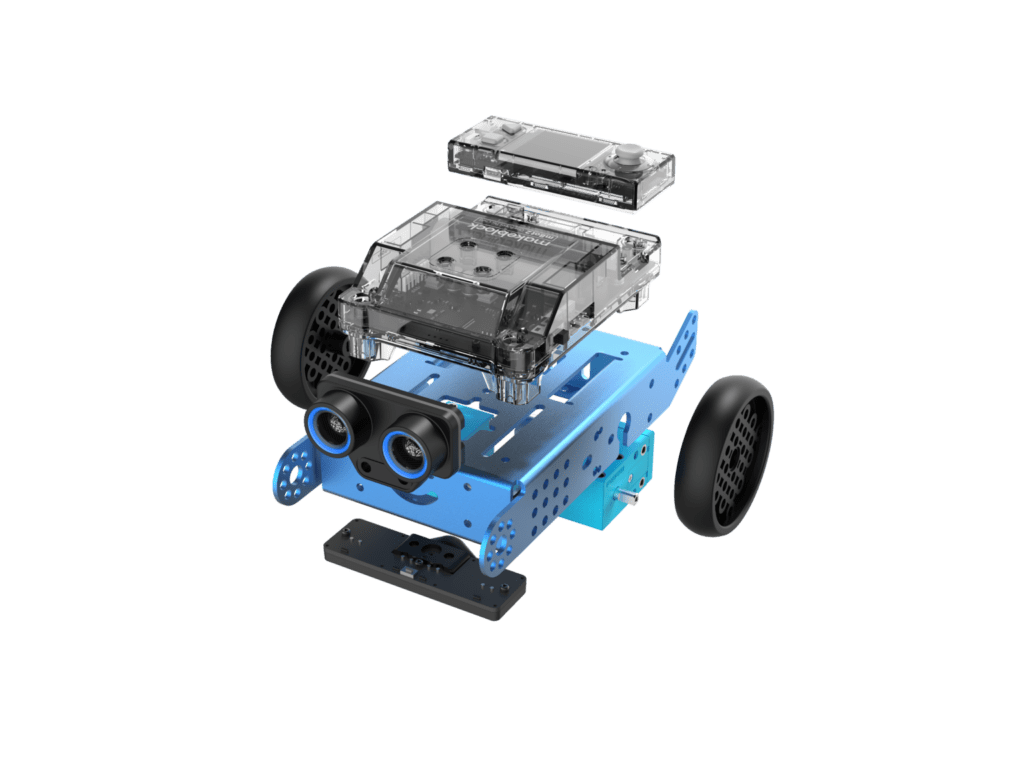
Ubstadt-Weiher, 29.04.2021 – Over the past eight years, the educational robot mBot from MAKEBLOCK has not only taught millions of children, students, teachers and aspiring programmers complex STEM (science, technology, engineering, mathematics) relationships in a playful way, but also put a smile on their faces after completing successful missions. And the success story continues with the new mBot2: Under the carefully modified shell, which is now made of robust aluminum, concentrated state-of-the-art technology is packed that enables countless new programming and application possibilities. The most striking thing at first glance are the next-generation ultrasonic sensors, which look at you in bright blue. Who can resist this seductive look? The blue „eyes“ are not only suitable for precise distance measurement, they also convey emotions with the help of the controllable ambient lighting. The mBot2 almost seeks eye contact with the little programmers, because AI image recognition can be used to control speed via facial expressions, for example.

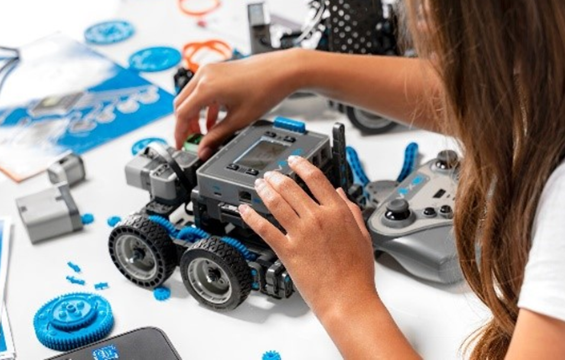
The „brain“ of the mBot2 is the powerful CyberPi microcontroller with integrated color display, speaker, microphone, light sensor, gyroscope, RGB display and more. The built-in WiFi and Bluetooth module allows you to connect to the Internet for smart functions such as speech recognition, speech synthesis, LAN broadcast and uploading data to Google Sheets. The mBot2 is currently the most exciting toy robot to build yourself (only a screwdriver required), versatile expandable and with great design freedom in programming, which also makes the inner workings of a robot tangible: Available now for an RRP of 139 EUR (incl. VAT) in the Solectric online shop.

mBot2 communicates with its environment – powered by CyberPi

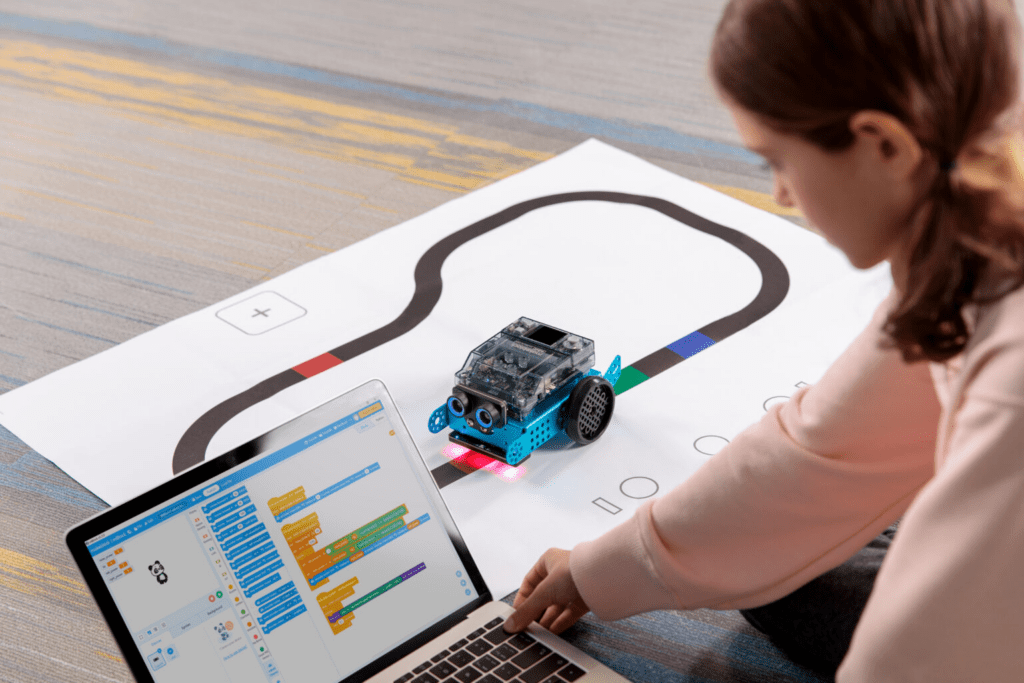
One of the most important innovations of the mBot2 compared to the previous version is its network capability with the help of the CyberPi microcomputer. The programmable powerhouse, in combination with the mBlock coding editor, is a practical learning aid for computer science and AI education and sets hardly any limits to children’s play instinct. Teachers have the option of using Google Classroom, for example, to conduct interactive and advanced lessons in which several mBot2 communicate with each other via the Internet. In this way, the data from various devices can be collected, visualized and processed and initial programming for AI and IoT (Internet of Things) applications can be learned. 

„The small educational robot mBot2 makes programming child’s play and encourages children to play creatively and interactively,“ explains Alexander Hantke, Head of Solectric Education. „For children who are interested in electronics, robotics and programming, the mBot2 is the ideal gift. Especially when children realize how other family members are also enthusiastic about the topic, they are often carried away by it. But it’s also important to let children make their own mistakes with the mBot2 in order to keep the fun factor high over a long period of time.“

The CyberPi controller with a 1.44″ full-color display for displaying data, images and other information can be used not only as the robot’s data center, but also as a handheld device such as a game controller or monitoring device. The built-in memory and operating system make it possible to store and manage up to eight programs in the controller. 

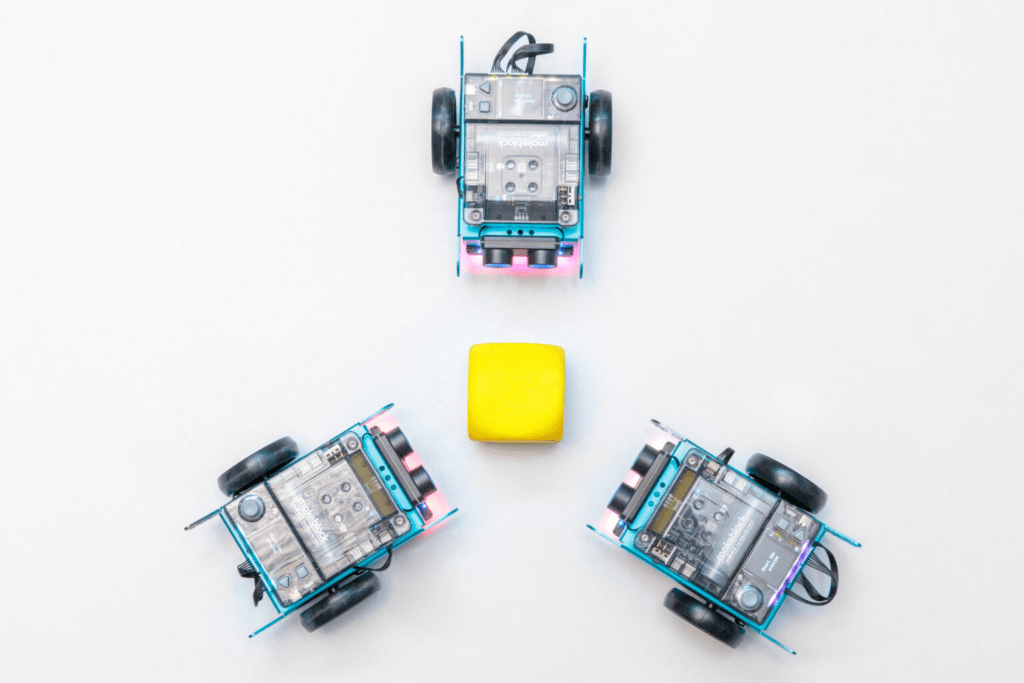
It gets really exciting when connecting multiple mBots2 creates a local network of robots that communicate with each other, share information, and perform tasks. If the mBot2 are connected to the Internet, they can perform advanced functions such as voice recognition, connect to a cloud or retrieve weather information. Maximum precision in controlling the rotation, speed and position of the wheels and the robot is promised by the 3-axis gyroscope installed in the CyberPi and the accelerometer for the optical encoder motors, which have a torque of 1.5 kg-cm, a maximum speed of 200 rpm and a detection accuracy of 1°.

mBlock – the powerful coding platform for easy entry into computer science and STEM lessons

The programmable robot helps kids learn how to code step-by-step through interactive drag-and-drop software. With the extensive tutorials and the included project cases, the young explorers can start with graphical programming and use the programming languages Scratch or Arduino C with one click. The mBlock software is compatible with Windows, macOS, Linux and Chromebook and also supports Android and iOS. Together with mBlock, the mBot2 becomes a powerful tool to get in touch with advanced technologies such as AI, IoT, and data science. Students start with block-based coding and move on to Python coding as they gain experience. The Python Editor supports the young programmers with smart functions such as intelligent autocomplete and syntax highlighting.

Extensible with mBuild modules and Makeblock components

The mBot2 can extend the radius of action with more than 60 different mBuild modules and connect up to 10 different sensors, motors, LEDs or other components in series at the same time. A micro-controller unit (MCU) is built into each module, which allows the modules to be connected without prior disconnection or a specific order. Meanwhile, add-on packages are also available for this programmable robot for children (not included) to teach programming, robotics, electronics and construction, while students can program and execute interactive missions through hands-on learning. 

The mBot2 is equipped with a 2,500 mAh battery in the so-called mBot2 Shield, which can be conveniently charged via a USB C cable. The mBot2 Shield also has two connectors for encoder motors, two connectors for DC motors, and four connectors for servos. Some of the servo connectors can be connected to LED strips and analog/digital Arduino sensors.

For more information, please visit the Solectric online store: https://shop.solectric.de/educational/makeblock/mbot/3729/makeblock-mbot-2?c=4807

World Robot Olympiad: fischertechnik fördert Robotik-Wettbewerb

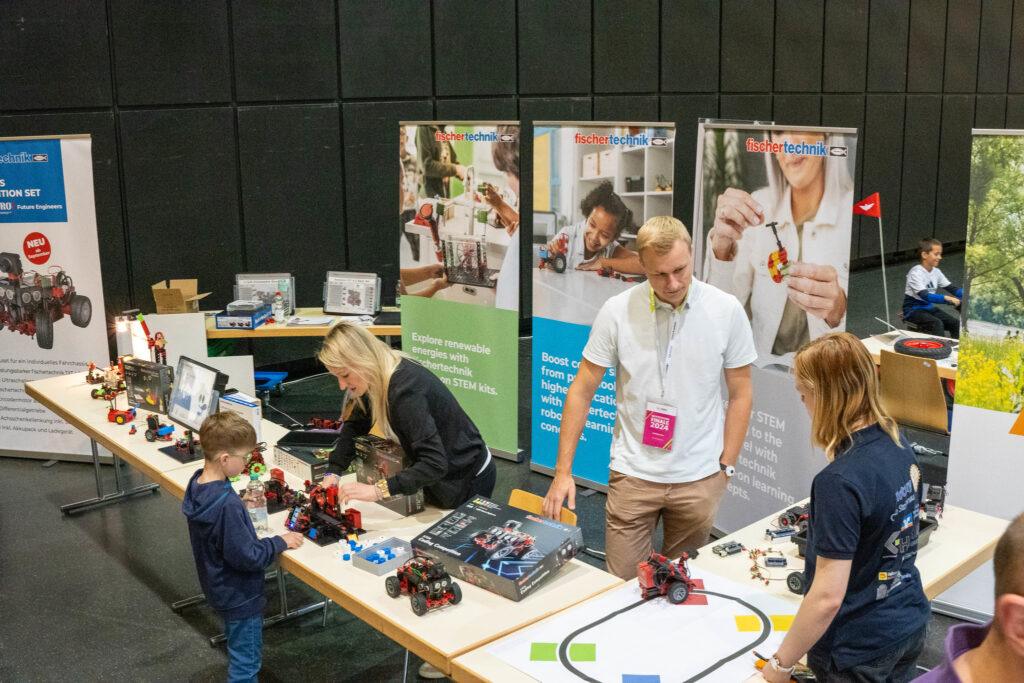
Enthusiasmus, Know-how und Kreativität – beim Deutschlandfinale 2024 der World Robot Olympiad (WRO) in Passau zeigten 136 Teams aus Kindern und Jugendlichen im Alter von acht bis 19 Jahren ihr beeindruckendes technisches Talent. Die Sieger der vier Kategorien nehmen im November im türkischen Izmir am internationalen WRO-Finale teil. fischertechnik begleitete den vom Verein TECHNIK BEGEISTERT organsierten Nachwuchswettbewerb als globaler Partner.

Die insgesamt 136 Teams hatten sich in 50 regionalen Ausscheidungen für das Finale in der Dreiländerhalle qualifiziert. 103 Mannschaften traten in der Kategorie „Robo Mission“ an, 16 nahmen bei den „Future Innovators“ teil und zehn bei den „Future Engineers“. Zudem waren auch sieben „Starter-Teams“ dabei. In den vier Kategorien geht es in unterschiedlichen Schwierigkeitsgraden darum, Roboter und Roboterfahrzeuge erfolgreich durch einen Parcours zu bringen bzw. ein Roboterprojekt zu entwickeln und zu präsentieren. Das aktuelle Thema des Wettbewerbs 2024 lautet „Earth Allies“. Die Schülerinnen und Schüler sollen sich damit auseinandersetzen, wie Roboter dabei helfen können, in Harmonie mit der Natur zu leben. „Es war fantastisch zu erleben, wie die Kinder und Jugendlichen ihr Bestes gaben und zu sehen, wie fischertechnik Teil der einzelnen Roboter-Erfolgsgeschichten sein kann“, zeigte sich Ann-Christin Walker, Business Development Management Education bei fischertechnik, von den Darbietungen des Tüftlernachwuchses begeistert. Für das internationale Finale in Izmir im November haben sich 14 Teams qualifiziert.

fischertechnik war mit einem Stand auf dem WRO Deutschland-Finale vertreten und präsentierte dort die breite und vielseitige Robotik-Produktpalette, die Alterszielgruppen vom Kindergarten bis zur Universität anspricht. Speziell für die WRO-Kategorie „Future Engineers“ hat das Nordschwarzwälder Unternehmen den Baukasten STEM Coding Competition entwickelt. Dieses Set bringt alles mit, um ein autonom fahrendes Roboterauto zu bauen, zu programmieren und einen Parcours erfolgreich zu meistern. Großes Interesse beim Publikum fanden auch Lernkonzepte, die erneuerbare Energien für Kinder in Grund- und weiterführenden Schulen spielerisch und handlungsorientiert begreifbar machen.

Der Verein TECHNIK BEGEISTERT wurde 2011 von jungen Erwachsenen gegründet. Ziel der über 80 Mitglieder ist es, die eigene Begeisterung für Roboterwettbewerbe an andere Kinder und Jugendliche weiterzugeben. Mit der World Robot Olympiad organisiert der Verein einen der größten Roboterwettbewerbe in Deutschland. Außerdem unterstützt er Schulen beim Aufbau von Roboter-AGs, führt Schulungen durch und unterstützt andere Roboteraktivitäten.

KT2 Kungfu Turtle: Promoting STEM-Based Learning with the Release of a Cutting-Edge Pocket-Sized Desktop Robot

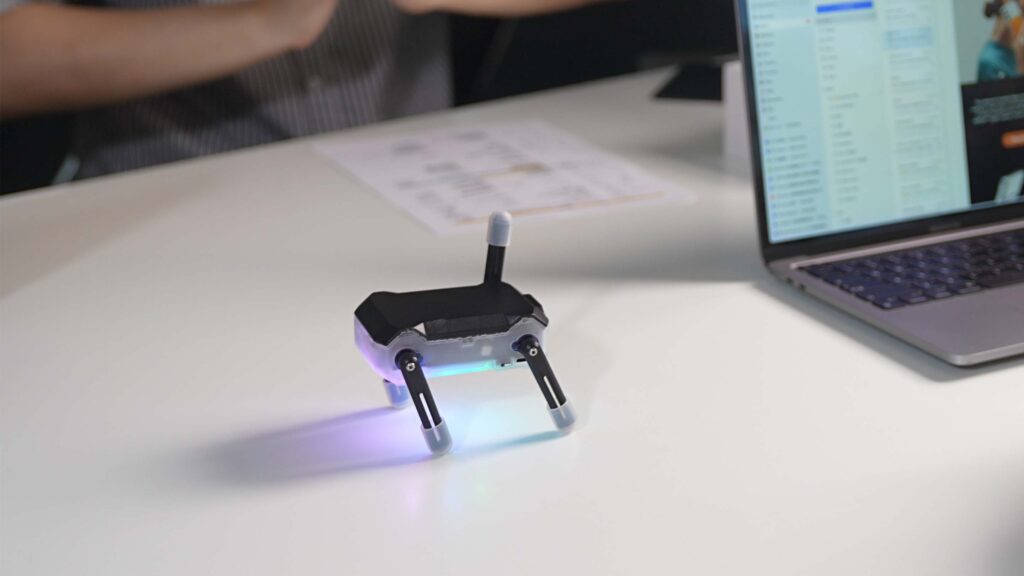
Seattle, WA – Crafted for portability, KT2 promotes physical activity through intuitive prompts and interactive games, making it a perfect companion for home and professional settings.

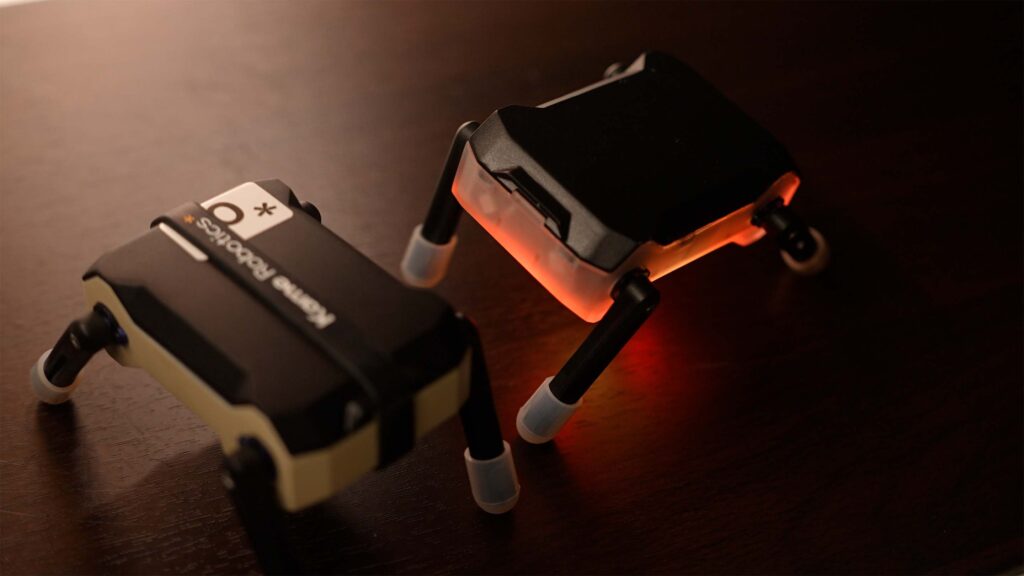
Designed by Seattle based tech company, Wair Living, the In-house robot innovation team KameRobotics have developed a mini-robot that enhances productivity at home, acts as a thoughtful companion, and is a diligent STEM teacher.

„Our KT2 robot prioritizes user privacy and minimalist with its design, featuring no integrated cameras or screen.“ said Qian Li, Founder of Wair and KameRobotics.  „We want to ensure a secure interaction environment and more intuitive play via robot action and lighting interaction“.

KT2 Kungfu Turtle is not just a toy but a multifunctional companion for gaming, productivity, and learning. It features acrobatics, physical sparring, and autonomous return functions, supported by a powerful operating system and programmable chipset.

Beyond entertainment, KT2 enhances productivity in home and office environments. It includes a Pomodoro timer for focused work intervals and movement prompts to combat sedentary lifestyles. The modular design allows customization with accessories, transforming KT2 into a unique desk ornament and interactive companion.

KT2 Kungfu Turtle is looking to raise $10,000 by 23rd August 2024.  Early Bird rewards include a KT2 robot, access to 99 pre-installed games for $89, a significant discount from the $159 retail price.  Shipping will be worldwide.

„ReBeLs on Wheels“ make driverless transport systems affordable through modern plastic technology

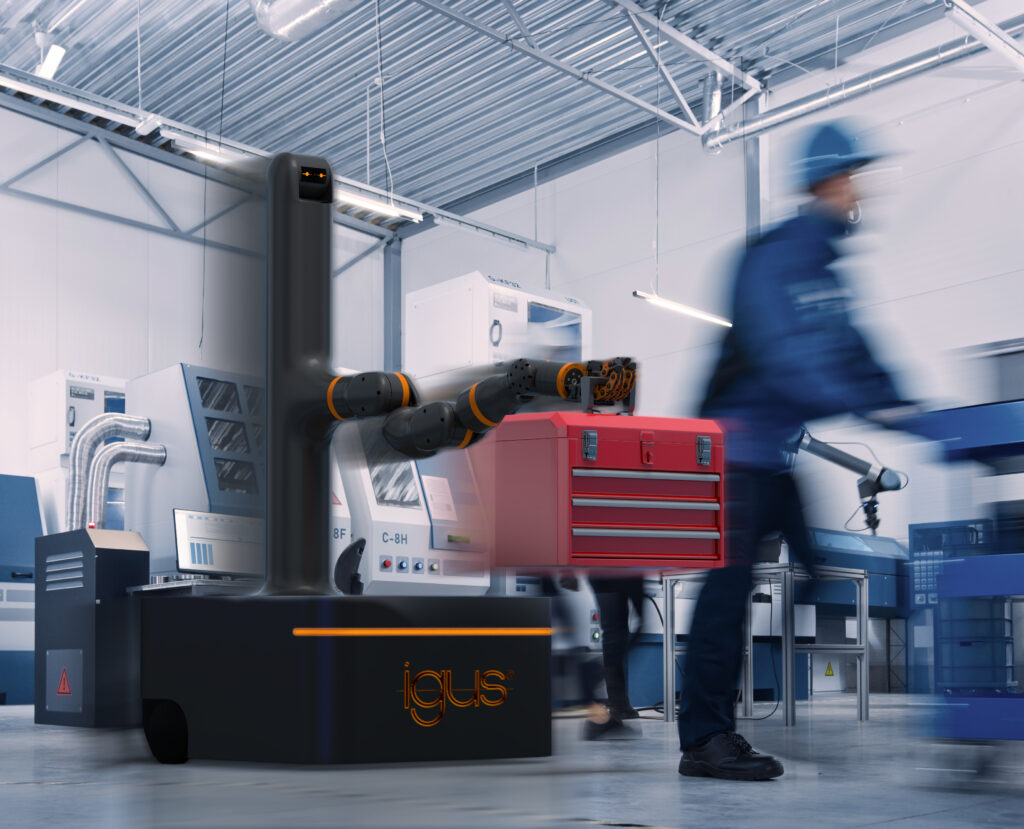
Cologne/Hanover, April 24, 2024 – Mobile robotics systems are being used in more and more work areas, in e-commerce warehouses as well as in modern restaurants. Conventional models on the market start at around 25,000 euros, while solutions with an integrated robot arm start at around 70,000 euros. However, widespread use in the market is often unaffordable for small and medium-sized enterprises due to the high prices. igus wants to change this with new low-cost robotics offerings and is presenting a series of low-cost mobile plastic robots at the Hannover Messe.

The market for Automated Guided Vehicles (AGV) and Autonomous Mobile Robots (AMR) is booming: The global market for mobile robotics, including service robotics, is currently worth around 20.3 billion US dollars, and experts expect it to almost double by 2028. 1 Mobile robots are particularly common in intralogistics and industrial applications. And even in the catering industry or in hospitals, the smart helpers are increasingly making their rounds. This is also the case at motion plastics specialist igus: For four years now, the plastics experts have been successfully testing AGVs in-house – driverless racks that deliver mail and deliveries to offices, as well as mobile robots in production that move transports and stack-and-turn containers. The experience gained flows directly into the development of a new low-cost automation product line, the „ReBeL on Wheels“. Their goal: to pave the way for small and medium-sized enterprises (SMEs) to use cost-effective mobile robotics.

Mobile ReBeL solutions for education, logistics and service
The basis of any mobile robotics system is the ReBeL. The use of plastic makes the robot particularly affordable at 4,970 euros and, with a dead weight of 8.2 kilograms, the lightest service robot with cobot function in its class. All mechanical components that make up the ReBeL are developed and manufactured by igus without exception. It has a load capacity of 2 kilograms and a reach of 664 millimetres. Various mobile systems are planned in which the ReBeL is centrally integrated: igus is launching an affordable version for the education sector for 14,699 euros – including the robot arm. The ReBeL EduMove equipped with a gripper serves as an autonomous learning platform for educational institutions thanks to open source. It has a modular design and can be flexibly expanded to include additional functions such as lidar, camera technology or slam algorithm. Another variant is an automated guided vehicle system for SMEs. It can carry up to 30 kilograms. With the optional ReBeL, simple A-to-B positioning can be made. It dispenses with expensive sensor technology and instead relies on 3D sensor technology developed in-house. The price is 17,999 euros. In addition, igus will be showcasing a study of a service robot at a low price in Hanover. The ReBeL Butler is suitable for simple but time-consuming pick-up and drop-off services, for example in the hotel and catering industry.

A lighthouse project on wheels
The goal of all these developments is the lighthouse project, a mobile robot with integrated HMI and vision that could even tidy up an office on its own. „With this project, we are pursuing a bottom-to-top strategy, in which certain components such as safety laser scanners are not included in the basic package in order to keep the price low,“ explains Alexander Mühlens, authorized signatory and head of the low-cost automation business unit at igus. „Nevertheless, it ensures that the solution can be retrofitted for industrial requirements.“ Among other things, igus is presenting an affordable gripper with a large stroke and travel this year, which offers a high degree of flexibility when gripping different geometries. Alexander Mühlens: „The areas of application for this targeted low-cost AMR are extremely diverse and go far beyond simple transport tasks. They encompass a huge range of applications in various areas of life, such as cleaning tasks or serving coffee directly at the workplace.“

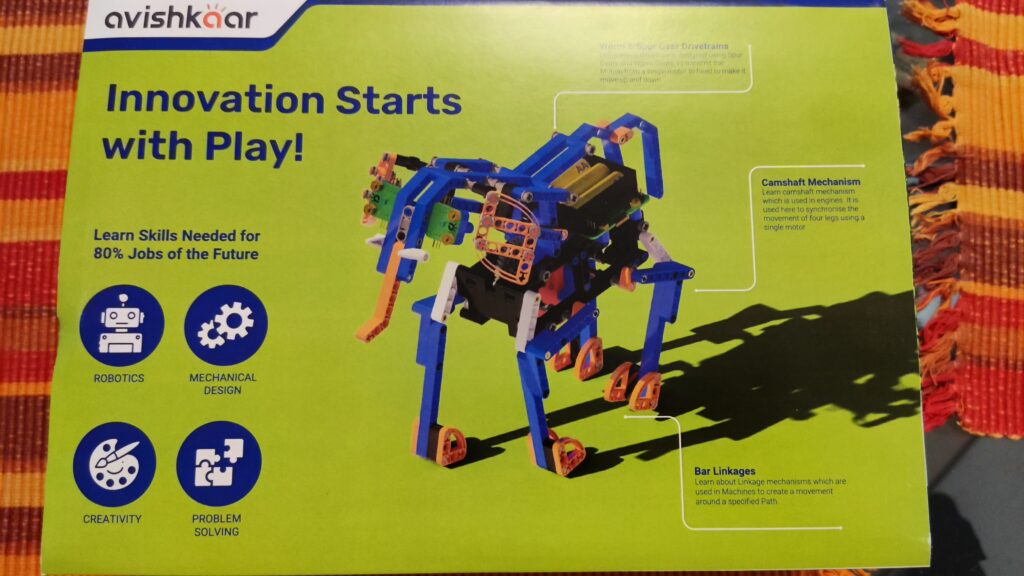
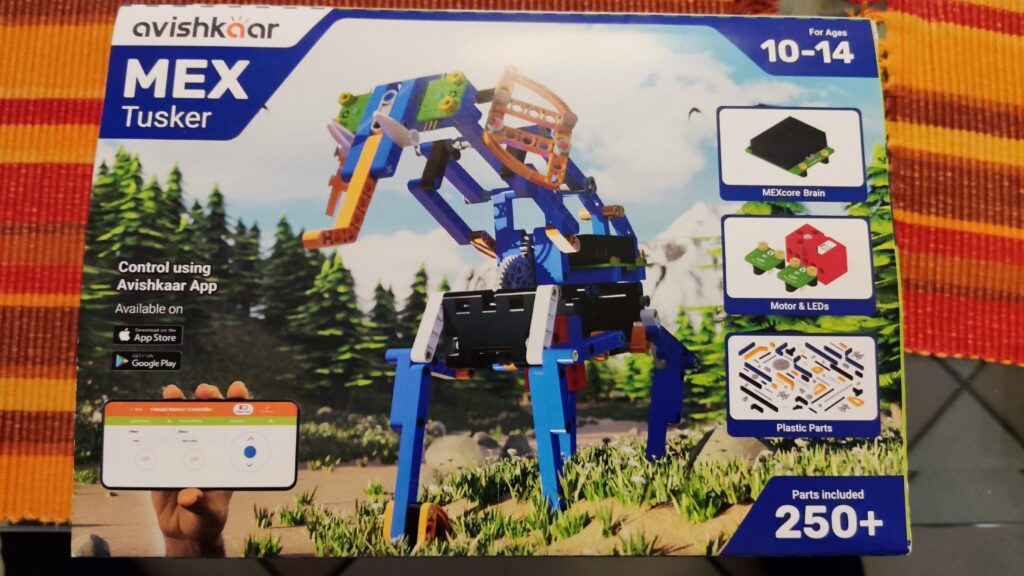
MEX Tusker Roboter von Avishkaar

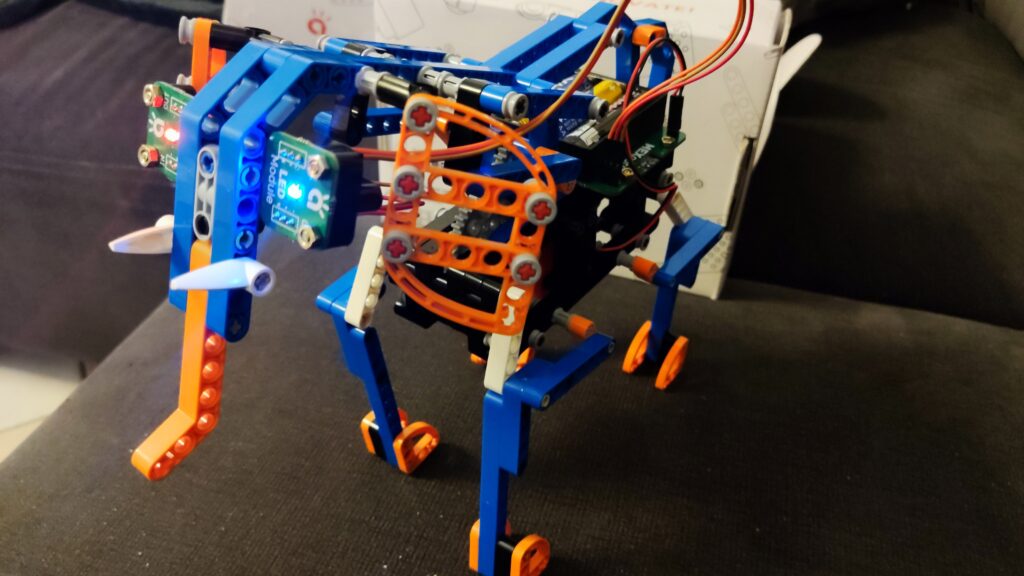
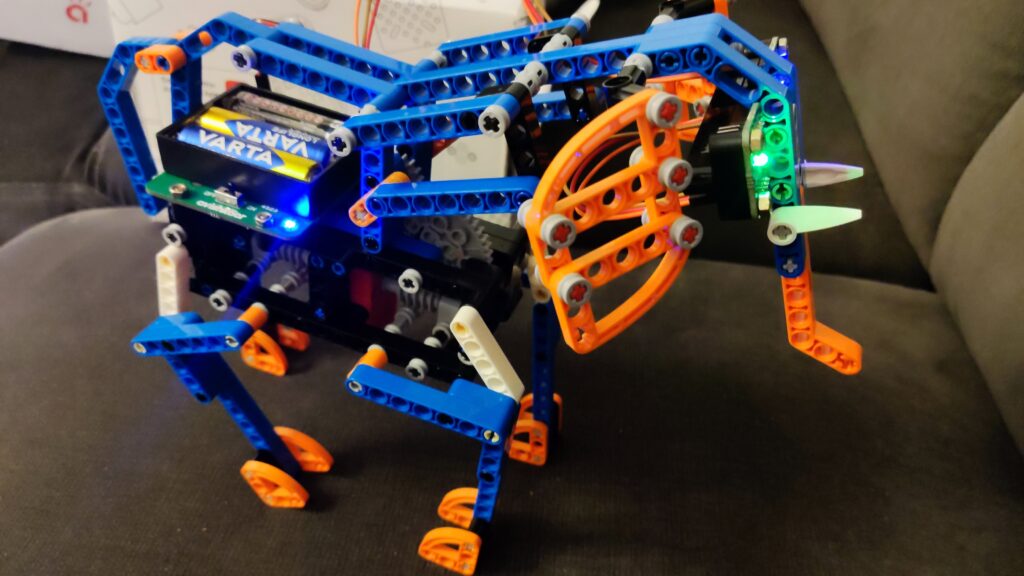
Der MEX Tusker von Avishkaar ist ein innovatives Roboter-Set, das speziell für Kinder im Alter von 10 bis 14 Jahren entwickelt wurde. Es handelt sich um ein STEM-Lernspielzeug, das mechanisches Design, Robotik und kreatives Problemlösen fördert.

Tusker richtet sich an Kinder im Alter von 10 bis 14 Jahren und zielt darauf ab, die Neugier und Kreativität durch praktisches Lernen zu fördern. Es ist ein ideales Set für Eltern, die ihre Kinder in den MINT-Bereichen (Mathematik, Informatik, Naturwissenschaft und Technik) fördern möchten.

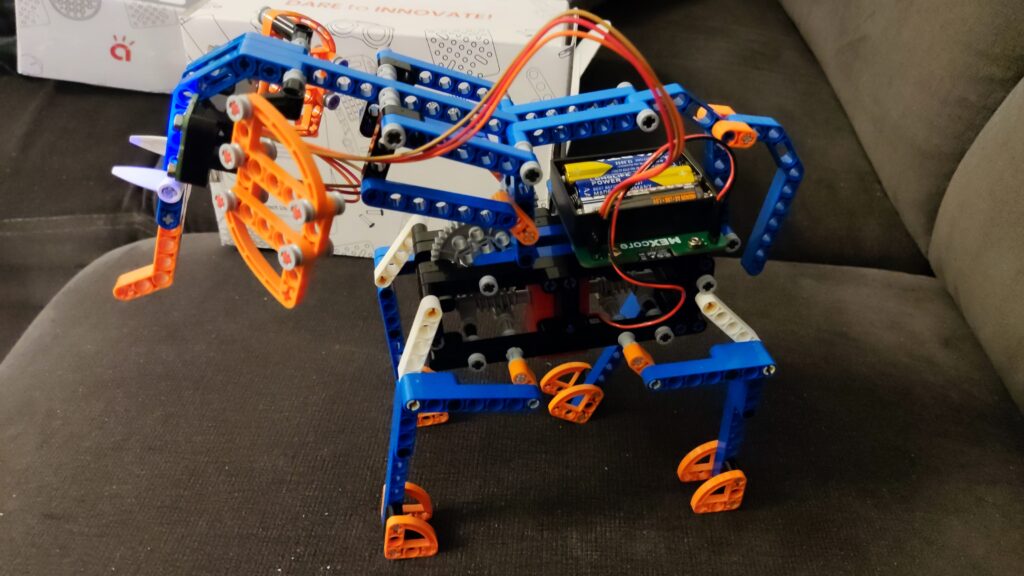
  • Teile: Das Set besteht aus über 250 robusten Teilen, darunter Zahnräder, Achsen, Verbindungsstücke und mehr. Die Teile sind weitestgehend ähnlich den Teilen der LEGO Technic Serie und daher auch kompatibel zu diesen.
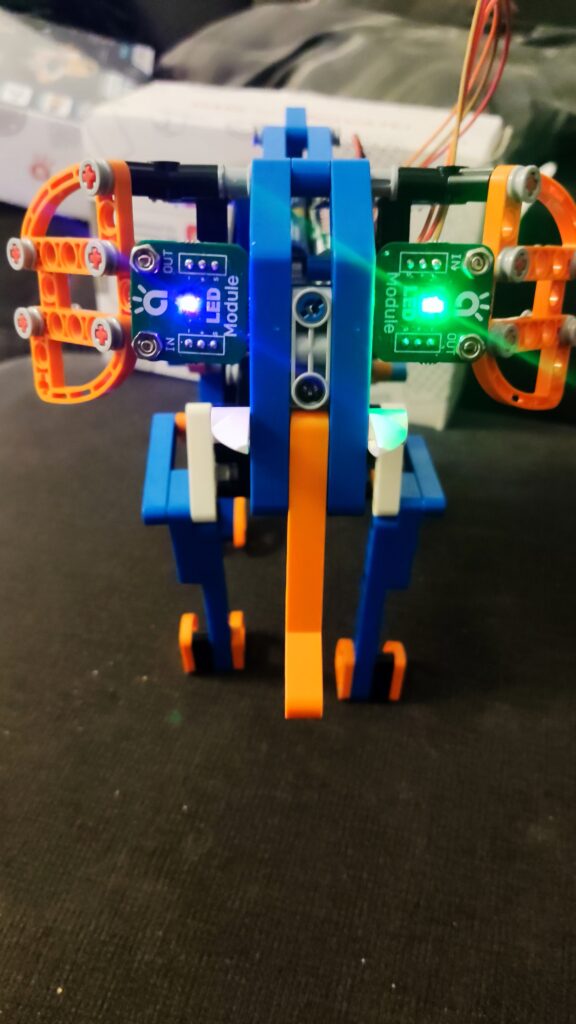
  • Elektronische Komponenten: Ein programmierbares elektronisches Gehirn, zwei leistungsstarke Motoren für die Bewegung und LED-Module für visuelle Effekte.
  • Programmierung: Kinder können den Roboter mit der benutzerfreundlichen Avishkaar-App programmieren, die auf Drag-and-Drop-Prinzipien basiert und somit einen einfachen Einstieg in die Welt des Codierens ermöglicht.
  • Konnektivität: Bluetooth-Verbindung für eine drahtlose Steuerung und Interaktion.
  • Bildungsaspekt: Das Set fördert das Verständnis für mechanische Systeme, Grundlagen der Elektronik und Softwareentwicklung.

Aufbau und Design: Kinder können mit dem Set einen Roboter in Form eines Elefanten bauen, der durch die Avishkaar-App gesteuert wird. Die App bietet verschiedene Funktionen zur Steuerung des Roboters und zur Interaktion mit seinen LED-Augen und Geräuschen.

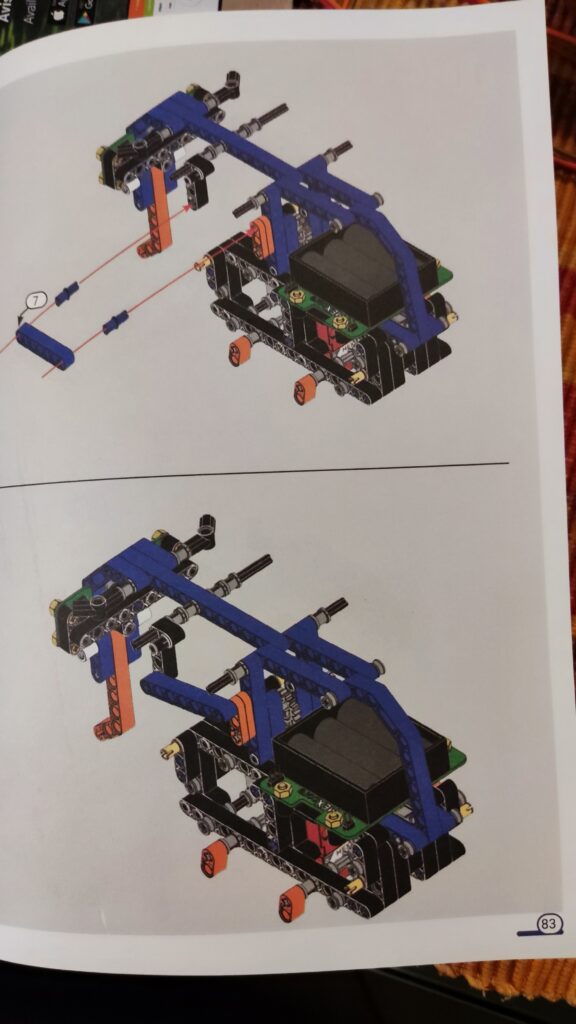
Benutzererfahrung: Die Anleitung des Sets ist klar strukturiert und ermöglicht einen einfachen Zusammenbau. Wir konnten nur kleine Fehler in der Anleitung finden, die aber den Aufbau in keiner Weise gestört habe. Der Hersteller hat uns versichert, die Fehler bereits zu beseitigen und in der nächsten Version der Anleitung beseitigt zu haben. Durch den Aufbau des Roboters lernen Kinder nicht nur die Grundlagen der Mechanik und Elektronik, sondern entwickeln auch ein Verständnis für die Programmierung durch die zugehörige App. Die erste Verwendung der App sollte durch einen Erwachsenen begleitet werden, da eine Registrierung des Produkts als auch des Benutzers notwendig sind. Schöner wäre es, wenn keine Registrierungen notwendig wären, auch war ein mehrfaches Neustarten der App auf unserem Gerät notwendig, bevor diese voll funktionsfähig war.

Pädagogischer Wert: Der MEX Tusker fördert nicht nur technische Fähigkeiten, sondern auch Soft Skills wie Geduld, Ausdauer und Aufmerksamkeit für Details. Das Set bietet eine praktische Erfahrung, die theoretisches Wissen mit realen Anwendungen verbindet. Nach der Registrierung des Produkts in der App, haben wir eine Mail mit Zugang zu Lehrvideos, Programmiervideos und weiteren Inhalten erhalten.

Fazit: Der MEX Tusker Roboter-Bausatz von Avishkaar ist ein durchdachtes Lernspielzeug, das Kinder auf unterhaltsame Weise an die Welt der Technik heranführt. Es unterstützt die Entwicklung wichtiger Fähigkeiten und bietet eine solide Grundlage für zukünftige technische Bildung. Mit seiner Kombination aus Qualität, Lernwert und Spaß ist der MEX Tusker eine empfehlenswerte Investition in die Bildung junger Menschen.

Robotics competitions in Hamburg: Winners are alliances from Berlin and Brandenburg as well as Rockenhausen and Berlin

VRC und VIQC German Masters Winners:

▪ Winners of the VEX Robotics Competition: Alexander-von-Humboldt-Gymnasium (Berlin) and Heinitz-Gymnasium (Rüdersdorf)
▪ Winners of the VEX IQ Challenge: IGS Rockenhausen (Rhineland-Palatinate) and BEST-Sabel (Berlin)
▪ Almost 35 teams met at the German finals from 6 to 8 March
▪ Students from IGS Rockenhausen (Rhineland-Palatinate) and Ernst-Abbe Gymnasium in Oberkochen secured tickets for the VEX Robotics World Championship in Dallas

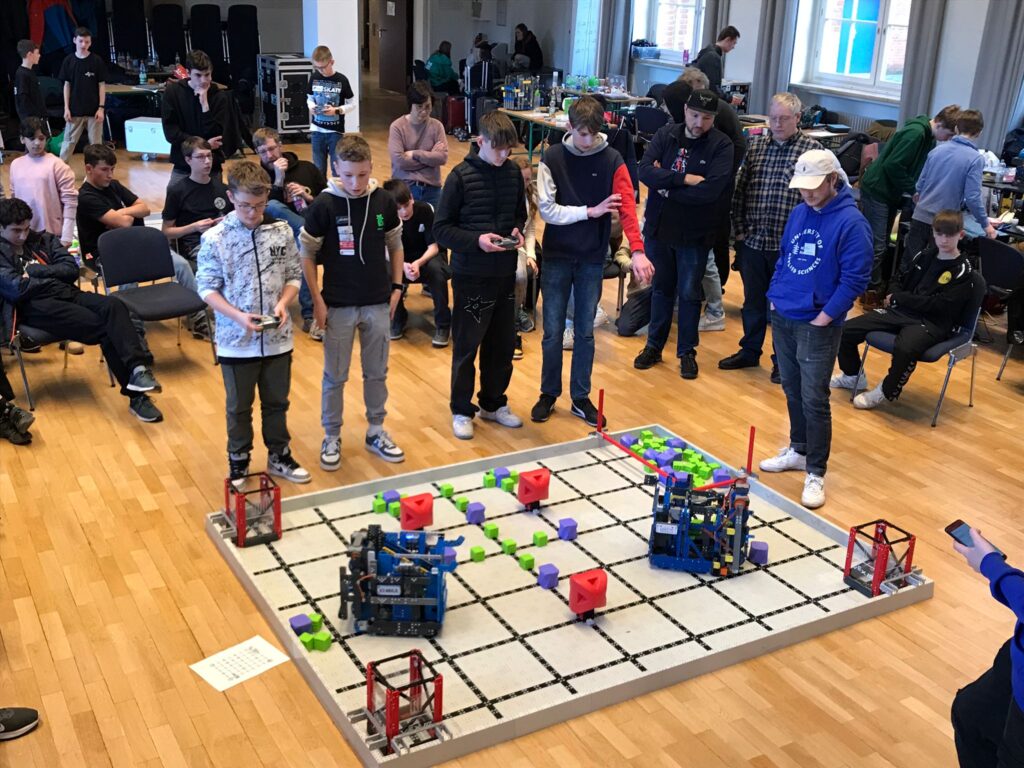
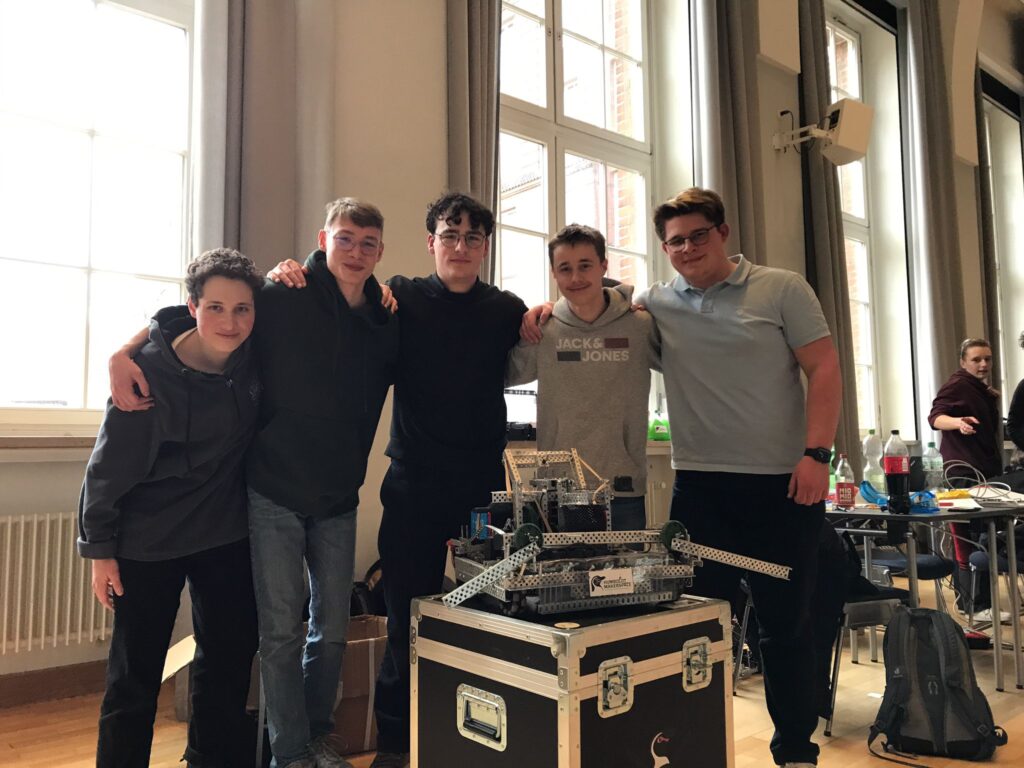
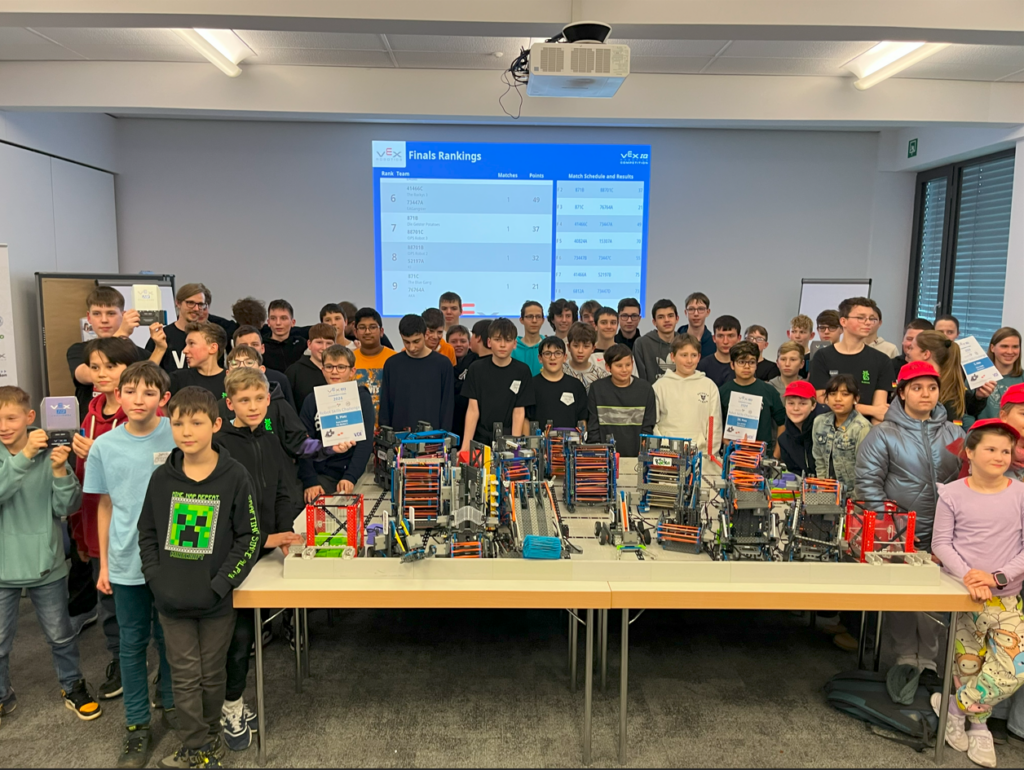
Hamburg, March 8, 2024. Hectic activity has reigned over the past three days at the Hamburg University of Applied Sciences (HAW Hamburg). Around 150 pupils from general education schools and vocational schools from all over Germany worked on robots that they had designed themselves over the past few months. Their goal: For the final rounds of the German VEX robot competitions, they wanted to get the best out of their babies. A total of 14 trophies were up for grabs, which were ultimately awarded to twelve different teams. 

Winners of the cooperative tournament competitions at the German Masters  In the VEX Robotics Competition (VRC), the Alexander-von-Humboldt Gymnasium (Berlin) and the Heinitz-Gymnasium (Rüdersdorf) prevailed. The VEX IQ Challenge (VIQC) was won by an alliance of IGS Rockenhausen  (Rhineland-Palatinate) and BEST-Sabel educational institutions (Berlin). 

Luca Eckert (from left) and Jonas Köhler (IGS) as well as Tim Heintze and Konrad Möhring (BEST-Sabel) won the VEX IQ Teamwork Challenge

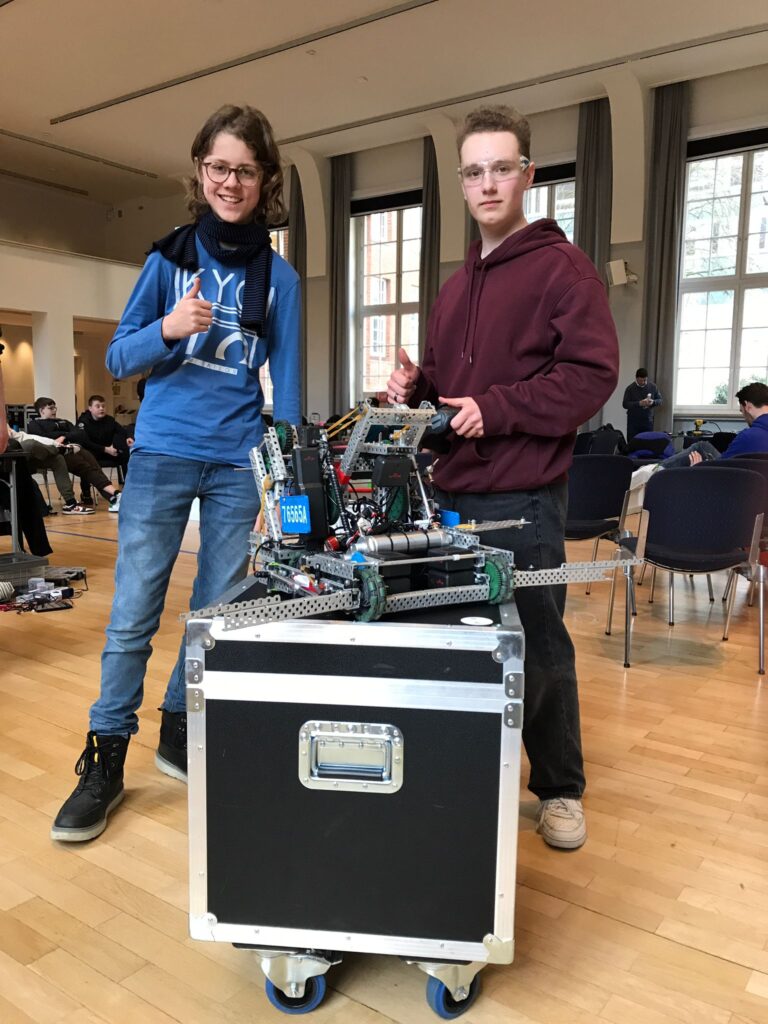
The German Masters gives you the opportunity to qualify for the VEX Worlds. These „World Championships“ will take place from April 25 to May 3 in Dallas, Texas, with 1,000 teams from 50 countries. The prerequisite for flying overseas: winning the Excellence Awards. A jury awards them on the basis of the performance in the competition and other criteria such as the capabilities of a robot in comparison. Students from IGS Rockenhausen (High and Middle School) and the Ernst-Abbe-Gymnasium in Oberkochen (Middle and Elementary School) will travel to Dallas. 

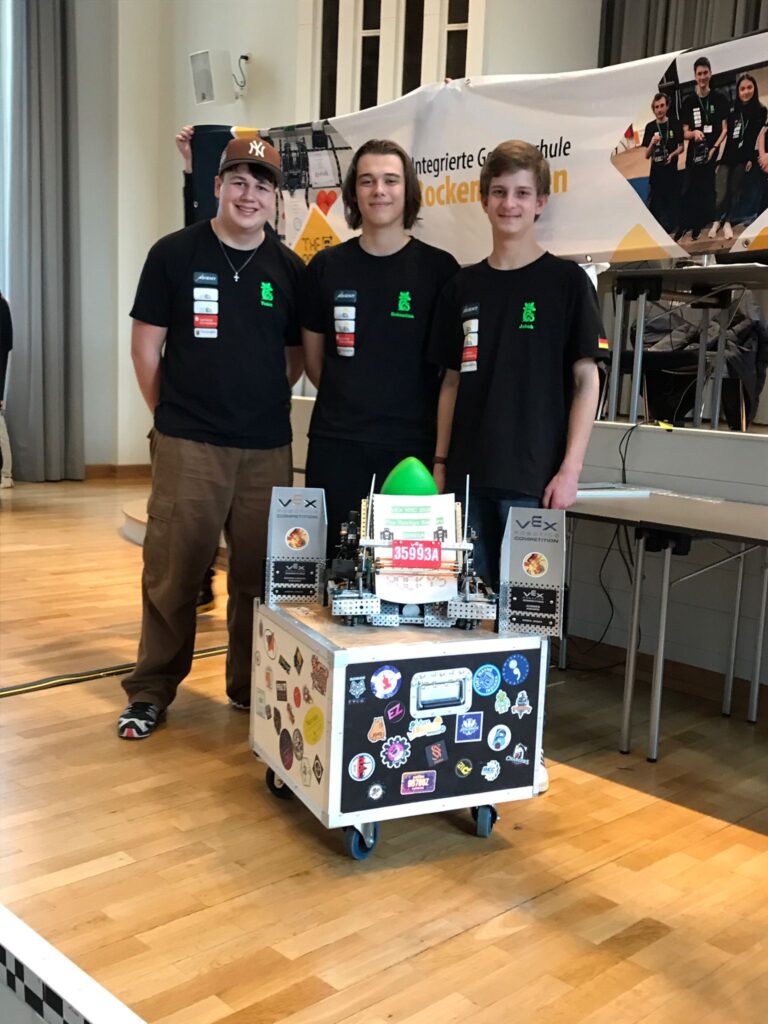
Tobit Gries (from left), Sebastian Gasior and Jakob Bachmann from IGS Rockenhausen snatched the Excellence Award/High School

The worldwide competitions of the Robotics Education &  Competition (REC) Foundation, which is based in the USA, are organized in Germany by the Hamburg-based association  roboMINT. 

The VEX Robotics Competition (VRC) is open to students from the age of eleven . A team consists of at least two students, it competes in alliances  against other teams. The aim of a game in autonomous and remote-controlled  driving modes is, among other things, to get as many tripballs as possible into your own goal or into  your own offensive zone.  

Till Schneider (l.) and Vincent Fratzscher (Heinitz-Gymnsaium) won the trophy in the VRC team competition

The VEX IQ Challenge (VIQC) is open to students between the ages of eight and 15. A team consists of at least two students, it competes together with another team. One of the goals of the game is to convert as many blocks as possible into goals. Points are also awarded if the robot is parked in the „Supply Zone“ at the end of a match.  

Anes Rebahi (from left), Nico Menge, Karl Steinbach, Maximilian Marschner and Erik Tunsch (Alexander-von Humboldt-Gymnasium) won the VRC team competition

VRC und VIQC German Masters an der HAW: Deutschland-Finale der Robotik-Wettbewerbe

  • 6. bis 8. März 2024, Hamburg
  • Insgesamt 35 Teams treffen in zwei Wettbewerben aufeinander
  • Den Siegern winkt eine Teilnahme an der VEX Robotics World Championship in Dallas

Hamburg, Februar 2024: In der kommenden Woche finden die Endrunden der VEX-Roboterwettbewerbe in Deutschland statt. An der Hochschule für Angewandte  Wissenschaften Hamburg (HAW Hamburg) treffen sich etwa 150 Schüler von  allgemeinbildenden Schulen und Berufsschulen aus ganz Deutschland, um  herausfinden, welcher der von ihnen konstruierten Roboter vorgegebene Aufgaben  am besten löst. Der weltweiten Wettbewerbe der in den USA beheimateten Robotics  Education & Competition (REC) Foundation werden hierzulande vom Hamburger Verein roboMINT organisiert. 

Die Wettbewerbskategorien 

An der VEX Robotics Competition (VRC) können Schüler im Alter ab elf Jahren  teilnehmen. Ein Team besteht aus mindestens zwei Schülern, es tritt in Allianzen  gegen andere Teams an. Ziel eines Spiels ist es unter anderem, so viele Triballs wie  möglich ins eigene Tor oder in die eigene Offensive Zone zu bringen. 

Im Rahmen der VEX IQ Challenge können Schüler im Alter von acht bis 15 Jahren  teilnehmen. Ein Team besteht aus mindestens zwei Schülern, es tritt zusammen mit  einem anderen Team an. Ziel des Spiels ist es unter anderem, möglichst viele Blöcke  in Tore zu verfrachten. Punkte gibt es auch, wenn der Roboter am Ende eines  Matches in der „Supply Zone“ geparkt wird. 

Über die German Masters können sich die Teilnehmer für die VEX Worlds vom 25.  April bis 3. Mai in Dallas (US-Bundesstaat Texas) mit 1.000 Teams aus 50 Ländern  qualifizieren.

German Masters 

Veranstaltungsort: HAW Hamburg 

Berliner Tor 21, Aula 

Mittwoch, 06.03.: VRC, Start Qualifikation 1 um 12.30 Uhr 

Donnerstag, 07.03.: VRC, Start Qualifikation 2 um 9.30 Uhr, Finale: 13.00 Uhr

Freitag, 08.03.: VIQC, Start Qualifikation um 11.00 Uhr, Finale: 15.45 Uhr  

Fachlicher Ansprechpartner: 

Ralph Schanz 
Vorsitzender des roboMINT e.V. 

Über den roboMINT e.V.: 

Begonnen hat alles in der Saison 2017/2018. Zusammen mit dem Schülercampus  dEin Labor der TU Berlin führte roboMINT die ersten VEX Robotics Schülerwettbewerbe in Deutschland durch. Das erste Team, das sich damals für die  alljährlich stattfindenden „Weltmeisterschaften“ in den USA qualifizierte, war das  Heinitz-Gymnasium Rüdersdorf. Mittlerweile gibt es bundesweit diverse regionale  Vorausscheidungen und zwei „Nationals“ (VIQC und VRC). Aktuell können sich pro  Saison insgesamt sieben Teams aus Deutschland für die „Weltmeisterschaften“ in  Dallas qualifizieren. 

roboMINT unterstützt und koordiniert die bundesweit stattfindenden VEX Robotik Wettbewerbe. Der Verein informiert und betreut die teilnehmenden Teams, die  BetreuerInnen und die regionalen Veranstalter. Ziel des Vereins ist die Förderung der  MINT-Bildung in Deutschland. 

Teilnehmer des Qualifikationsturniers in Stuttgart

KOSMOS Line-Follow-Robot

This sophisticated robotic toy is created remarkably to follow lines seamlessly. For kids above 10 years, the Kosmos Line-Follow Robot provides an exciting chance to construct their robot and experience its remarkable line-following skills firsthand. Different branches of science, including physics and mathematics, are all brought together in one convenient experiment kit. Let’s investigate what makes this fascinating instructional tool so effective.

Simplifying Robotics

The Kosmos Line-Follow Robot is an attempt to simplify the complex field of robotics so that it may be understood by and appealing to young people. Despite the common perception that robots are too complicated or only useful for highly specialised tasks, it is crucial to learn the basics of robotics as these devices become increasingly commonplace in everyday life. Involving yourself with the Kosmos Line-Follow Robot is an excellent way for students to get their feet wet in the fascinating field of robotics.

Applied Physics and Logical Thinking

Students need a foundation in physics and the ability to think critically to control the line-follow robot properly. Students may learn the basics of simple circuits using the Kosmos robot’s helpful visual representations. Through hands-on assembly, students create a flow of electricity between electrical components, guaranteeing the vehicle’s functionality and conformity with input and line specifications. This method improves one’s capacity to comprehend logic and circuits.

Line Following and Steering

The robot’s fundamental goal is always the same: it must follow a black line, either one that has been physically put out or one that has been painted on a surface. . The Kosmos Line-Follow Robot shows how robots may independently traverse their environment with the help of sensors.

Components and Reusability

Electrical components with cables, motors, wheels, tires, printed robot decorations, and in-depth instructions are all included in the Kosmos experiment kit. The kit’s target audience was children in grades 4 through 8, however, it may be used with any age group for demonstration. After the first construction is complete, the robot may be used as a helpful teaching tool in physics classes, concretizing theoretical concepts about circuits. The fact that the robot can be assembled and disassembled several times means it may serve as a durable and adaptable teaching tool.

Learning Outcomes

During its construction, the Kosmos Line-Follow Robot relied heavily on principles of physics and mechanics, two fields that are deeply intertwined. Students may learn how to operate the robot by following detailed instructions that walk them through each procedure. Students learn important information that may be used in the classroom and built upon in other ways, such as via experimentation and independent study.

Hands-On Experience and Practical Understanding

The line-following robot facilitates experiential learning and real-world comprehension via the use of a potentiometer for detecting electrical resistance and LEDs for providing visual feedback. By taking the robot apart and putting it back together, students may better understand the interdependencies between its parts. The robot’s behaviour can be changed by tinkering with the black line, opening the door to experimentation and a deeper knowledge of cause and effect.

Conclusion

The Kosmos Line-Follow Robot is an excellent approach to introduce children to robotics. This teaching aid gives students a firm footing on which to explore the potential of robotics by giving them hands-on experience, encouraging logical thought, and incorporating fundamental principles from physics and mechanics. The Kosmos Line-Follow Robot sets the path for the next generation of robotics experts by arousing their natural curiosities, encouraging them to try new things.

Variobot VariAnt: The Robot Ant

The presence of robots in our modern environment is getting increasingly casual to see. Robots are progressing rapidly in terms of both their capabilities and the potential uses they have. Examples of this include self-driving automobiles and drones. The VariAnt, a robot created by Variobot, is another amazing example.

VariAnt: At the First Glance

VariAnt, a robot ant, moves and acts almost exactly like its biological model. It independently explores its environment using a sensor system to detect obstructions or markers. The Variobot programmable kit is appropriate for researchers who are passionate and young at heart.

Advanced Autonomy

Like the majority of living things, the variAnt adjusts to the surroundings by detecting relative brightness. Using a network of patented sensors is made feasible. The autonomous robot ant has light sensors connected to its body, legs, antennae, and jaw claws that can be positioned as needed.

A processor is housed on an Arduino-compatible nano board, which serves as the ant robot’s central processing unit (CPU). The small control unit provides connections for two motors, 12  analog sensors,  8 digital I/Os,  2 programmed buttons, 2 reed switches for step numbers, that may be used in any way, and 15 status LEDs that can be plugged in and switched as needed.

The state of the sensors, motors, and reed switches may all be indicated by the LEDs. Inside the ant’s head is a tiny circuit board that is equipped with plug-in ports, which enables the flexible combination and extension of environmental sensors.

The lithium-ion battery that comes standard with the variAnt has a run time of around 3  hours and can be recharged using the provided USB cord.

The Walking Mechanism

The robotic ant makes use of these to identify objects, lines, light sources, or shadows in its surroundings, and then either follows them or stays away from them in an intentional manner.

The purpose of the walking mechanism that was created and patented by Variobot is to mimic the natural mobility of an ant as closely as possible. This is doable with only 24 different components made of acrylic.

VariAnt: Best for

For individuals of all ages, the robot ant is also an engaging and entertaining toy. You can use this set to design your own robot to behave, move, and appear like an actual, but much bigger, ant. The robot is an interesting thing to watch due to its distinct motions and behaviors, and due to its size, it can be used in a number of scenarios. The variAnt kit costs around €199.

Conclusion

The VariAnt might revolutionize robotics and our understanding of nature. Since it mimics ants, the VariAnt can perform many tasks that conventional robots cannot. Whether employed for research, environmental monitoring, or as a toy, the VariAnt is a groundbreaking robotics innovation that will captivate people worldwide.

Build Your Own Voice Assistant with CircuitMess Spencer: Your Talkative Friend

Voice assistants have become a crucial component of our everyday lives in today’s technologically sophisticated society. They assist us with work, respond to our inquiries, and even provide entertainment. Have you ever wondered how voice assistants operate or how to build your own? Spencer is here to satisfy your curiosity and provide a fun DIY activity, so stop searching. This blog post will introduce you to Spencer, a voice assistant that will brighten your day with jokes and provide you with all the information you need.

Meet Spencer

Spencer is a buddy that converses with you; it is more than simply a voice assistant. It can hear you well enough to comprehend all you say. It uses its large red button as a trigger to search the internet and give you straightforward answers. It’s a wonderful addition to your everyday routine because of Spencer’s endearing nature and capacity to make you grin.

Spencer’s Features: Your Interactive Voice Assistant Companion

1. Voice Interaction

High-quality audio communication is possible because of Spencer’s microphone. It comprehends your instructions, inquiries, and chats and offers a simple and straightforward approach for you to communicate with your voice assistant. Simply talk to Spencer, and it will answer as you would expect, giving the impression that you are conversing with a genuine friend.

2. Internet Connectivity and Information Retrieval

Spencer has internet access, allowing you to access a huge information base. You may have Spencer do a real-time internet search by pushing the huge red button on his chest. Spencer can search the web and provide you clear, succinct answers, whether you need to discover the solution to a trivia question, check the most recent news headlines, or collect information on a certain issue.

3. Personalization and Customization

Being wholly original is what Spencer is all about. You are allowed to alter its features and reactions to fit your tastes. Make Spencer reflect your style and personality by altering its external elements, such as colors, decals, or even adding accessories. To further create a genuinely customized experience, you may alter its reactions, jokes, and interactions to suit your sense of humor and personal tastes.

4. Entertainment and Engagement

Spencer is aware of how important laughing is to life. It has built-in jokes and amusing replies, so talking to your voice assistant is not only educational but also interesting and fun. Spencer’s amusing features will keep you entertained and involved whether you need a quick pick-me-up or want to have a good time with friends and family.

5. Learning and Educational STEM Experience

In particular, STEM (science, technology, engineering, and mathematics) subjects are the focus of Spencer’s educational mission. You will learn useful skills in electronics, soldering, component assembly, and circuits by making Spencer. To further develop Spencer’s talents, you may go into programming, gaining practical experience with coding and computational thinking.

6. Inspiration and Creativity

Spencer acts as a springboard to spark your imagination and motivate further investigation. You may let your creativity run wild as you put together and customize your voice assistant. This do-it-yourself project promotes critical thinking, problem-solving, and invention, developing a creative and innovative mentality that may go beyond the context of making Spencer.

Recommended Age Group

Spencer is intended for those who are at least 11 years old. While the majority of the assembly procedures are simple, some, like soldering and tightening fasteners, call for prudence. Never be afraid to seek an adult for help if you need it. When using certain equipment and approaches, it is usually preferable to be guided.

Assembly Time Required

The construction of Spencer should take, on average, 4 hours to finish. However, take in mind that the timeframe may change based on your prior knowledge and expertise. Don’t worry if you’re unfamiliar with electronics! Enjoy the process, take your time, and don’t let any early difficulties get you down. You’ll grow more used to the procedures as you go along.

Skills Required

To start this DIY project, no special skills are needed. Fun and learning something new are the key goals. Your introduction to the field of electronics via Building Spencer will pique your interest in STEM fields and provide you the chance to get hands-on experience. Consider completing this assignment as the first step towards a lucrative engineering career.

Pros and Cons of Spencer

Pros of Spencer

  • Spencer provides an engaging and interactive experience, responding to voice commands and engaging in conversations to make you feel like you have a real companion.
  • With internet connectivity, Spencer can retrieve information in real-time, giving you quick answers to your questions and saving you time.
  • Spencer can be customized to reflect your style and preferences, allowing you to personalize its appearance, responses, and interactions.
  • Spencer comes with built-in jokes and entertaining responses, adding fun and amusement to your interactions with the voice assistant.
  • Building Spencer provides hands-on learning in electronics, soldering, circuitry, and programming, offering a valuable educational experience in STEM disciplines.

Cons of Spencer

  • The assembly process of Spencer may involve technical aspects such as soldering and component assembly, which can be challenging for beginners or individuals with limited experience.
  • Spencer heavily relies on internet connectivity to provide real-time answers and retrieve information, which means it may have limited functionality in areas with poor or no internet connection.
  • While Spencer offers basic voice assistant features, its capabilities may be more limited compared to advanced commercially available voice assistant devices.

Conclusion

Spencer, creating your own voice assistant is a fascinating and worthwhile endeavor. You’ll learn useful skills, expand your understanding of electronics, and enjoy the thrill of putting a complicated gadget together as you go along with the assembly process. Remember that the purpose of this project is to experience the thrill of learning, solving problems, and letting your imagination run free as well as to produce a final product. So be ready to join Spencer on this journey and discover a world of opportunities in the exciting world of voice assistants.

Get your own Spencer Building kit here: bit.ly/RobotsBlog